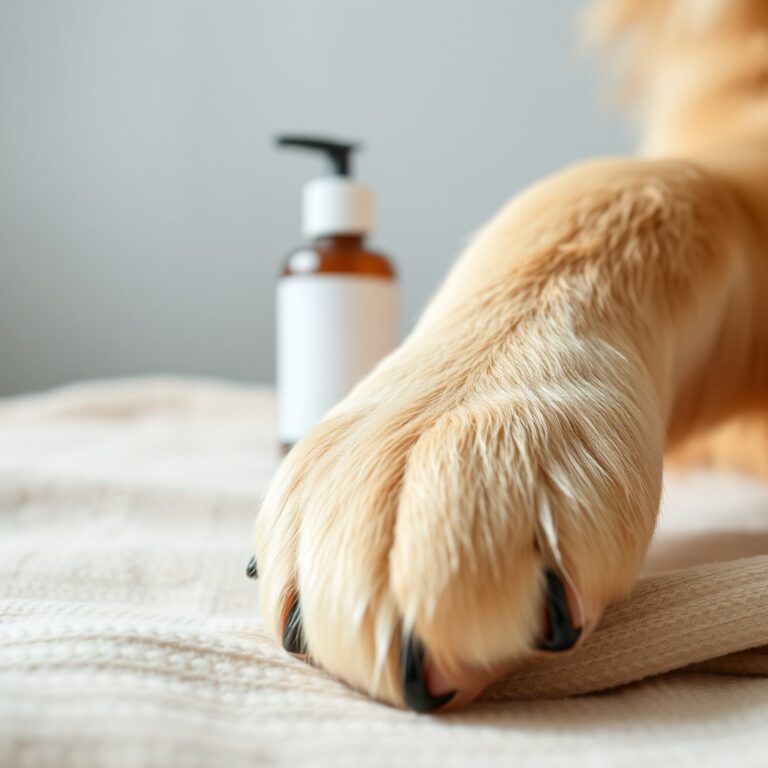

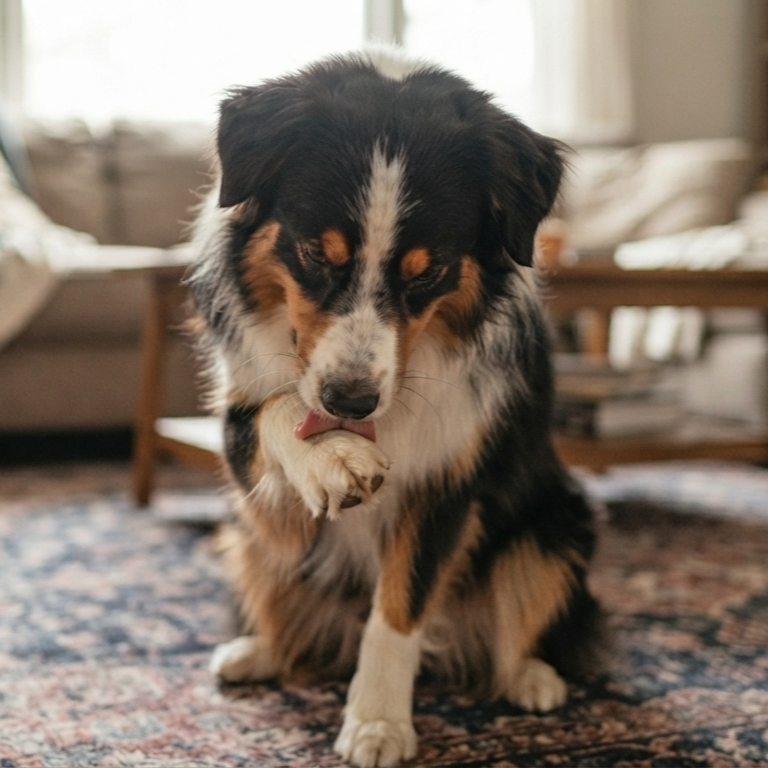
If you have ever settled in for the evening only to be soundtracked by the relentless sound of your dog chewing and licking their paws, you know how distracting it can be. While it might look like an innocent bedtime routine, this persistent habit is usually a sign that your dog is trying to soothe an irritation rather than just winding down for the night.
Dogs lick their paws in the evening primarily due to environmental allergies, contact dermatitis, yeast infections, or chronic anxiety and boredom that intensifies when the household quiets down. Identifying the exact trigger—whether medical or behavioral—is key to stopping the cycle and preventing secondary skin infections.
The Science Behind Evening Paw Licking
To address this behavior, it is vital to understand that canine paw licking is rarely a simple habit. It is almost always a physical response to localized discomfort or a psychological coping mechanism. When the day winds down, two primary shifts occur: physical exposures from the day manifest as inflammation, and the lack of external stimuli forces the dog’s focus inward.
1. Environmental and Contact Allergies (Atopy)
Environmental allergies are the leading cause of chronic paw licking in dogs. Throughout the day, your dog walks through grass, pollen, pesticides, and household dust. These microscopic allergens cling to the skin between the paw pads. Over hours, these allergens penetrate the skin barrier, triggering an inflammatory cascade. According to the American Animal Hospital Association (AAHA), atopic dermatitis frequently manifests in the extremities first.
For owners, this means that even if your dog encountered an allergen during a morning walk, the maximum histamine release and subsequent itchiness often peak hours later, coinciding with your evening relaxation time.
2. Secondary Yeast and Bacterial Micro-Environments
The canine paw is naturally populated with low levels of bacteria and yeast (specifically Malassezia). However, when a dog licks their paws even slightly, the saliva introduces warmth and moisture. This creates a perfect incubator for micro-organisms to multiply. This secondary infection causes intense, deep-seated itching. By evening, the moisture accumulated from intermittent licking during the day creates an unbearable prickling sensation, forcing the dog to lick obsessively to find temporary relief.
3. The Evening Sensory Vacuum (Boredom and Anxiety)
During the day, your household is dynamic. There are sounds, movements, feeding schedules, and walks to distract your dog’s brain. In the evening, when the house falls quiet, your dog enters a sensory vacuum. Without external distractions, mild physical sensations (like a slight itch or minor joint ache) feel amplified. Licking releases endorphins in a dog’s brain, providing a self-soothing, comforting effect that helps them cope with under-stimulation or separation anxiety.
4. Joint Pain and Osteoarthritis
As dogs age, joint degeneration becomes a quiet challenge. If a dog suffers from arthritis in their wrists (carpus), ankles (tarsus), or toes, the dull ache typically worsens after a day of physical activity. In the evening, when the dog lies down and muscles cool, joint stiffness peaks. Licking the skin directly over the sore joint is a common canine instinct to soothe internal pain, acting much like a warm compress (WSAVA).
Comparing the Root Causes of Evening Paw Licking
This comparison table outlines the distinguishing features of the most common triggers to help you identify what your dog is experiencing:
| Trigger | Key Clinical Signs | Primary Target Area | Immediate Care Action |
|---|---|---|---|
| Environmental Allergies | Redness between toes, rusty-colored saliva staining on fur, sneezing. | All four paws equally; often underside of pads. | Wipe paws with a damp cloth immediately after outdoor access. |
| Yeast/Bacterial Infection | Musty, sweet, or ‘corn chip’ odor; greasy skin; intense scratching. | Deep crevices between paw pads and nail beds. | Consult a veterinarian for targeted topical antifungal or antibacterial therapy. |
| Anxiety / Boredom | Occurs strictly when quiet; stops immediately when distracted or engaged. | Usually just one front paw; top of the wrist or forearm. | Provide mental enrichment (e.g., stuffed lick mats) during evening hours. |
| Localized Pain / Injury | Sudden onset; limping; licking a single, specific spot intensely. | One specific toe, joint, or nail bed. | Inspect carefully for splinters, torn nails, or cuts; seek veterinary assessment. |
Clinical Diagnostics and Veterinary Intervention
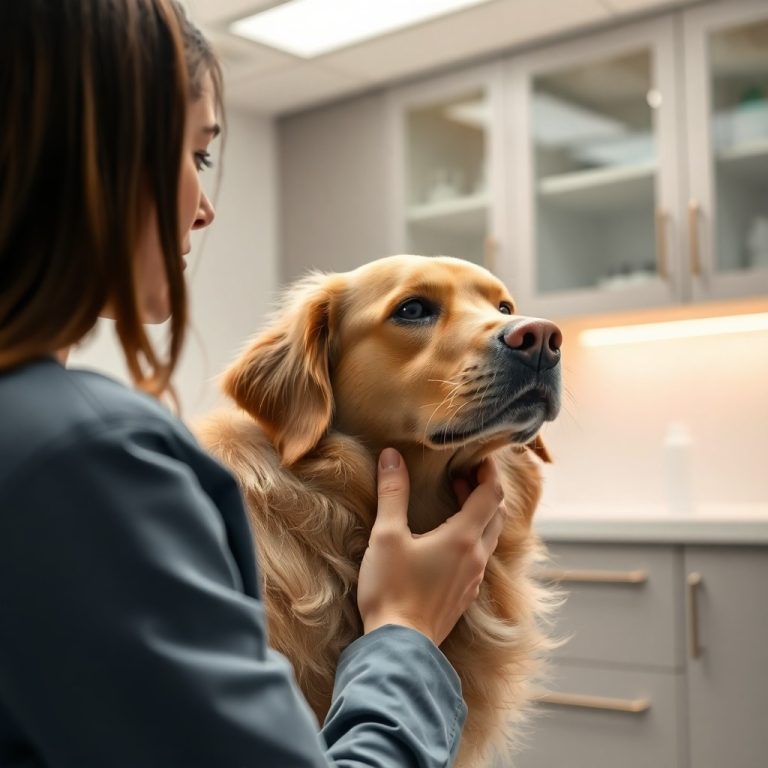
If home management does not curb the behavior within a week, or if you notice raw, bleeding skin, a professional veterinary diagnostic workup is necessary. Diagnosing chronic paw issues requires systematic steps to avoid mistreatment.
Your veterinarian will likely perform a skin cytology, pressing a microscope slide or tape strip against the irritated skin to check for yeast or bacterial overgrowth. If allergies are suspected, they may discuss an elimination food trial to rule out adverse food reactions, or suggest modern therapeutic options. Advanced treatments like cytopoint injections or daily immunomodulatory medications can target the itch pathway directly in the brain, offering rapid relief without the systemic side effects of older steroid therapies.
Immediate At-Home Management and Relief
While waiting for your veterinary appointment, you can implement these safe, non-invasive strategies to reduce your dog’s discomfort:
- Post-Walk Paw Hygiene: Keep a container of hypoallergenic, fragrance-free pet wipes by the door. Thoroughly wipe your dog’s paws after every trip outside to remove pollen, dust, and lawn chemicals before they can trigger an allergic response.
- Evening Enrichment: Shift your dog’s focus away from their paws during the evening transition. Instead of letting them lie quietly on the rug, offer a frozen lick mat covered in dog-safe peanut butter or plain Greek yogurt. This fulfills their instinctual desire to lick while keeping their paws dry.
- Moisture Control: If the paws are already damp, dry them thoroughly with a clean, microfiber towel. Yeast thrives in moisture; keeping the interdigital spaces dry is your first line of defense.
Frequently Asked Questions
Can food allergies cause paw licking only at night?
While food allergies cause systemic itchiness that persists throughout the day, the symptoms often appear worse at night. This is because your dog has fewer distractions in the evening, causing them to focus entirely on the persistent itch that they ignored during active daylight hours.
Should I use a protective bootie or cone to stop evening paw licking?
A cone or protective bootie can serve as a temporary barrier to prevent self-mutilation and allow topical treatments to dry. However, they should not be used as a permanent solution. Restricting access without addressing the underlying itch, pain, or anxiety will only increase your dog’s stress levels.
Does a corn-chip smell on my dog’s paws mean they have an infection?
A mild yeast-like smell is normal for canine paws due to natural flora. However, if the smell is pungent, musty, and accompanied by redness, dampness, or constant licking, it indicates a secondary yeast infection that requires veterinary-prescribed topical or oral treatment.
References
- American Animal Hospital Association (AAHA). Canine Atopic Dermatitis Guidelines and Management.
- World Small Animal Veterinary Association (WSAVA). Global Dermatological Standards and Pain Management Protocols.