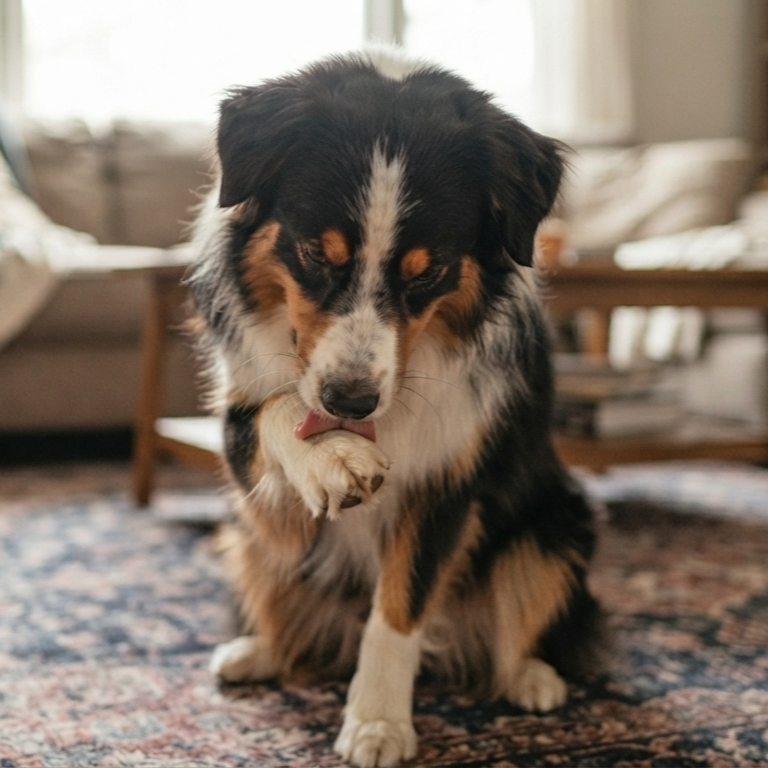


A senior dog sleeps peacefully on the rug, but struggles to stand up when called. The first few steps are stiff, awkward, and painful. Within minutes, the limp fades and movement becomes easier. This classic pattern points to a common veterinary concern that affects millions of pets worldwide.
A dog limping after sleeping is most commonly caused by joint stiffness from osteoarthritis, soft tissue strains, or ligament injuries, where resting allows inflammatory fluids to pool in the joints. This phenomenon, often called ‘gelling’, causes temporary pain that gradually improves as the animal moves and warms up the synovial fluid.
The Physiology Behind Post-Rest Stiffness
To understand why dogs limp after waking up, look at the joint anatomy. Healthy joints contain a natural lubricant called synovial fluid. When a dog rests for hours, this fluid cools and thickens. If the joint is inflamed or has worn-down cartilage, the thickened fluid creates friction. This causes immediate discomfort upon waking.
Several underlying conditions can cause this symptom:
- Osteoarthritis (OA): This is the gradual degeneration of joint cartilage. It is the most common cause of stiffness in senior dogs.
- Ligament Injuries: A partial tear in the cranial cruciate ligament (CCL) can stiffen up significantly during periods of rest.
- Hip or Elbow Dysplasia: Malformed joints rub together, causing chronic inflammation that worsens after lying down.
- Soft Tissue Strains: Muscle or tendon strains from overexertion during the day tighten up when the body cools down.
Clinical Guidelines for Joint Care
The American Animal Hospital Association (AAHA) and the World Small Animal Veterinary Association (WSAVA) emphasize a multimodal approach to managing joint pain. Pain management is not a one-size-fits-all solution. It requires a combination of weight control, physical therapy, environmental modifications, and targeted medical therapies.
Weight management is the single most effective tool. Extra weight puts direct mechanical stress on compromised joints. Additionally, adipose tissue (fat) secretes inflammatory proteins that actively accelerate cartilage breakdown. Keeping a dog at a lean body condition score (BCS of 4 or 5 on a 9-point scale) can significantly reduce the need for pain medications.
Immediate Home Responses to Ease Stiffness
If a dog is limping after waking up, several practical changes can make a noticeable difference in daily comfort:
1. Upgrade to an Orthopedic Bed
Standard fiber-fill dog beds compress under weight, allowing pressure points to press against the hard floor. High-density memory foam orthopedic beds support the skeletal system, distribute body weight evenly, and keep joints insulated from cold drafts.
2. Keep the Living Space Warm
Cold, damp environments worsen arthritic pain. Place the dog’s bed in a draft-free area of the home. On cold winter days, a dog-safe heating pad set to a low temperature can keep the sleeping area warm and prevent the synovial fluid from thickening too much.
3. Install Non-Slip Flooring
Slipping on hardwood or tile floors causes micro-injuries to stiff joints. Use non-slip runner rugs or interlocking foam mats along the dog’s frequent walking paths. This gives them the traction they need to stand up confidently without straining.
Red Flags: When to See a Veterinarian
While mild stiffness that resolves within five minutes is common in aging dogs, certain signs warrant immediate professional attention. Schedule an urgent veterinary visit if the dog exhibits any of the following:
- Complete refusal to bear weight on one leg.
- Vocalizing (yelping, whimpering) when trying to stand or when the limb is touched.
- Swelling, heat, or redness in any joint.
- Sudden lethargy, loss of appetite, or unwillingness to walk at all.
- Stiffness that does not improve after 15 minutes of gentle movement.
Veterinary Diagnostic Protocol
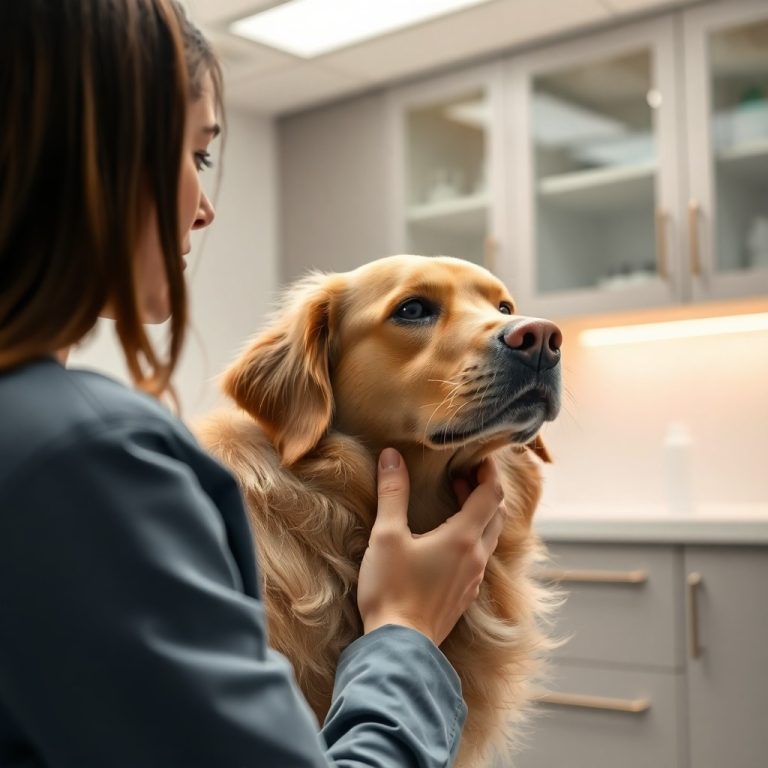
A veterinarian will perform a thorough physical evaluation to pinpoint the source of the pain. The diagnostic path typically follows these steps:
| Diagnostic Step | What the Veterinarian Looks For | Why It Matters |
|---|---|---|
| Gait Analysis | Subtle asymmetry, stride length, and head bobbing. | Identifies which limb is carrying the least weight. |
| Orthopedic Palpation | Joint swelling, range of motion, and crepitus (grating sounds). | Locates the exact joint causing the painful response. |
| Digital Radiographs | Bone spurs, joint space narrowing, and fluid buildup. | Confirms osteoarthritis or rules out bone tumors and fractures. |
| Joint Fluid Analysis | Cell counts and inflammatory markers in synovial fluid. | Differentiates between degenerative, infectious, or autoimmune arthritis. |
Long-Term Management and Treatment Options
Managing chronic joint stiffness involves a combination of veterinary therapies and daily care. Non-steroidal anti-inflammatory drugs (NSAIDs) prescribed by a vet are highly effective for managing acute flare-ups, but they must be monitored with regular blood work to protect kidney and liver health.
For long-term support, joint supplements play a vital role. High-quality marine lipids (Green-Lipped Mussel extract) and Omega-3 fatty acids (EPA and DHA) help reduce systemic inflammation. Glucosamine and chondroitin sulfate support the repair of joint cartilage. Additionally, low-impact exercise, such as controlled leash walking and hydrotherapy, keeps the supporting muscles strong without damaging the joints.
Frequently Asked Questions
Can I give my dog human aspirin or ibuprofen for joint stiffness?
No, never give your dog human pain medications. Ibuprofen, naproxen, and even standard aspirin are highly toxic to dogs. They can cause severe gastrointestinal ulceration, acute kidney failure, and liver damage. Only use medications prescribed specifically for your dog by a licensed veterinarian.
How can I tell if my dog’s stiffness is arthritis or just normal aging?
Normal aging does not cause pain. If a dog struggles to get up, hesitates on stairs, or limps after resting, this indicates pain, which is a medical condition rather than a normal part of growing older. Healthy senior dogs should still move comfortably, even if they are slightly slower than they used to be.
Does cold weather really make dog joint stiffness worse?
Yes, cold weather changes barometric pressure, which can cause joint tissues to expand and contract, leading to increased pressure on nerve endings. Cold temperatures also cause muscles to constrict and stiffen, which increases the physical effort needed for a dog to stand and walk after a period of rest.