
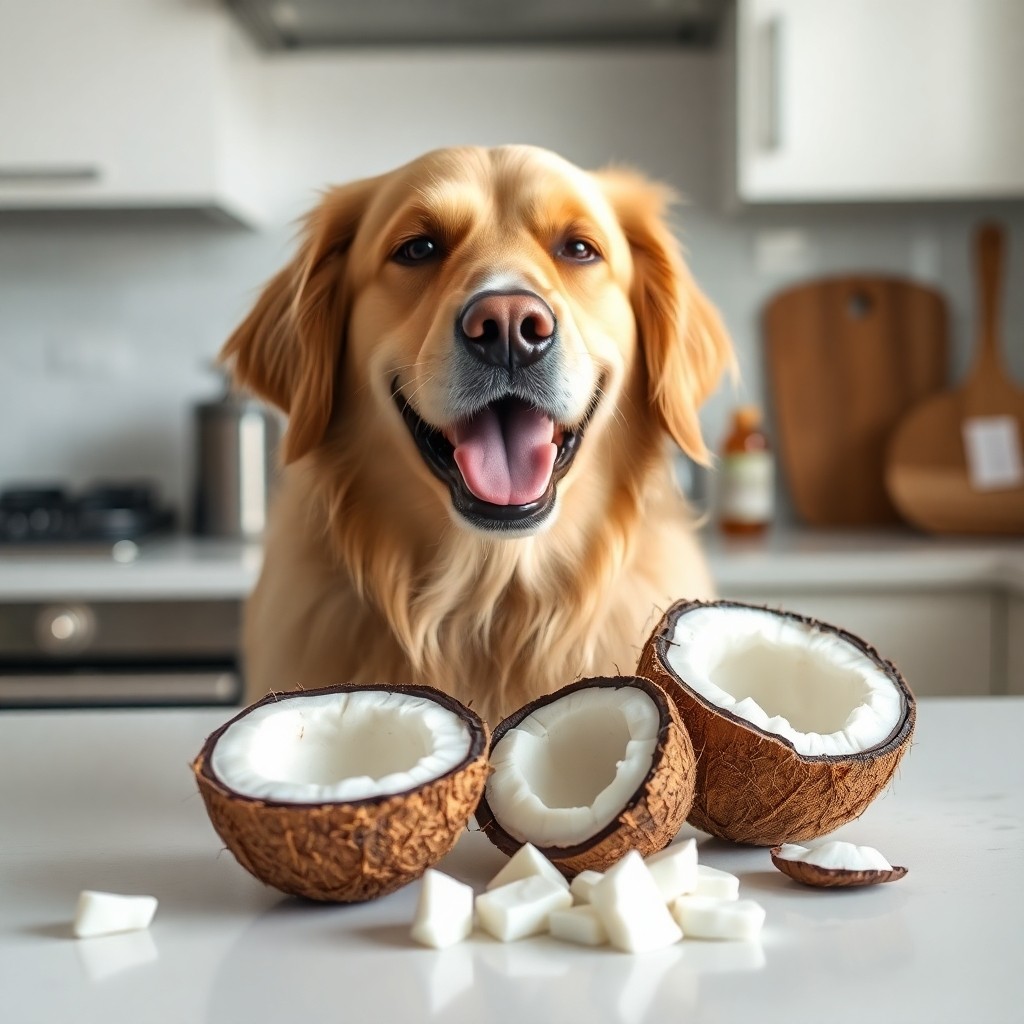
If your dog just snatched a piece of coconut off the counter, take a deep breath—coconut is generally non-toxic to our canine companions. Even so, sharing this tropical fruit comes with a few caveats regarding portion sizes and potential digestive hiccups. While the flesh itself isn’t inherently dangerous, that high fat content can sometimes spell trouble for a sensitive stomach.
Is Coconut Safe for Dogs?
Yes, dogs can eat coconut meat in moderation. The fresh white flesh of the coconut is safe for canine consumption, offering rich dietary fiber and beneficial medium-chain fatty acids. However, because of the high concentration of saturated fats, it must always be treated as an occasional snack rather than a dietary staple.
For pet owners, this means that while a small bite of fresh coconut is unlikely to cause harm, excessive consumption can lead to gastrointestinal distress. Knowing the boundary between a healthy treat and a dietary hazard is essential for maintaining your dog’s long-term wellness.
The Health Benefits of Coconut for Canines
When offered in strictly controlled amounts, coconut can serve as a highly functional treat. It contains unique nutritional compounds that support several aspects of canine physiology:
- Anti-Inflammatory Properties: Coconut meat contains lauric acid, a medium-chain fatty acid that helps reduce systemic inflammation and supports the immune system.
- Skin and Coat Health: The natural oils found in coconut nourish the skin from the inside out, helping to alleviate dry, itchy skin and promote a glossy, healthy coat.
- Cellular Energy: Medium-chain triglycerides (MCTs) in coconut are easily digested and efficiently converted into energy, making them a highly bioavailable fuel source for active dogs.
Potential Risks and Side Effects
Despite the nutritional benefits, coconut poses several distinct physiological challenges for dogs. Dog owners must monitor their pets closely for signs of intolerance or illness after introduction.
Pancreatitis Risk
The primary medical concern associated with coconut is its high concentration of saturated fat. Dogs do not process fats in the same manner as humans. Ingesting high-fat foods can irritate the pancreas, leading to pancreatitis—a painful and potentially life-threatening inflammatory condition. Symptoms include severe lethargy, vomiting, diarrhea, abdominal pain, and loss of appetite.
Gastrointestinal Distress
The rich oils and dense fiber in coconut meat can overwhelm a dog’s digestive system, particularly if they are unaccustomed to such rich food. This can result in loose stools, flatulence, and acute stomach cramps.
Choking and Obstruction Hazards
The hard, fibrous outer shell (husk) of a coconut is completely indigestible. If a dog chews on or swallows pieces of the shell, it can cause severe lacerations in the mouth, esophageal choking, or a life-threatening intestinal blockage that requires emergency veterinary surgery.
Evaluating Different Forms of Coconut
Not all coconut products are created equal. The safety profile changes dramatically depending on how the coconut is processed.
| Coconut Form | Safety Status | Key Precaution |
|---|---|---|
| Fresh Meat | Safe in Moderation | Remove all shell; chop into bite-sized pieces. |
| Dried/Flaked Coconut | Use Caution | Must be unsweetened. Avoid sweetened baking flakes. |
| Coconut Oil | Safe in Micro-doses | Extremely calorie-dense. Can cause rapid weight gain. |
| Coconut Water | Safe in Moderation | Check for added sugars or preservatives. Pure only. |
| Coconut Milk | Avoid or Limit | Highly concentrated fats; high risk of diarrhea. |
The Danger of Sweetened Flakes
Many commercially available coconut flakes designed for baking contain substantial amounts of added refined sugars, artificial sweeteners, or preservatives. These additives can lead to dental decay, obesity, and systemic metabolic issues. Never feed sweetened coconut to your pet.
How to Safely Serve Coconut to Your Dog
If you choose to offer your pet a taste of fresh coconut, adhere to strict veterinary preparation protocols to minimize health risks:
- Remove the Shell Completely: Double-check that no fragments of the hard brown husk remain on the meat.
- Chop into Small Pieces: Cut the flesh into tiny, manageable portions relative to your dog’s size to prevent choking.
- Start Very Small: Introduce a single, fingernail-sized piece to monitor how your dog’s digestive tract responds over the next 24 hours.
- Follow the 10% Treat Rule: Ensure that coconut, along with all other treats, never exceeds 10% of your dog’s daily caloric intake.
Frequently Asked Questions
Can coconut cure hot spots on dogs?
Coconut oil has natural antibacterial properties and can soothe dry, irritated skin when applied topically. However, it is not a cure for deep-seated hot spots. If your dog has an active skin infection, a veterinarian should evaluate the issue to prescribe targeted clinical therapies.
Can puppies eat coconut?
It is best to avoid feeding coconut to puppies. Their developing digestive systems are highly sensitive, and the concentrated fats in coconut can easily cause acute diarrhea, leading to dehydration in young dogs.
What should I do if my dog eats a coconut shell?
If your dog ingests any portion of a coconut shell, monitor them closely and contact your veterinarian immediately. Watch for clinical signs of intestinal blockage, such as repetitive vomiting, lethargy, straining to defecate, or abdominal pain.
References
This nutritional guidance aligns with clinical care standards established by the American Society for the Prevention of Cruelty to Animals (ASPCA) and the World Small Animal Veterinary Association (WSAVA) regarding safe feeding practices and pet food safety limits.