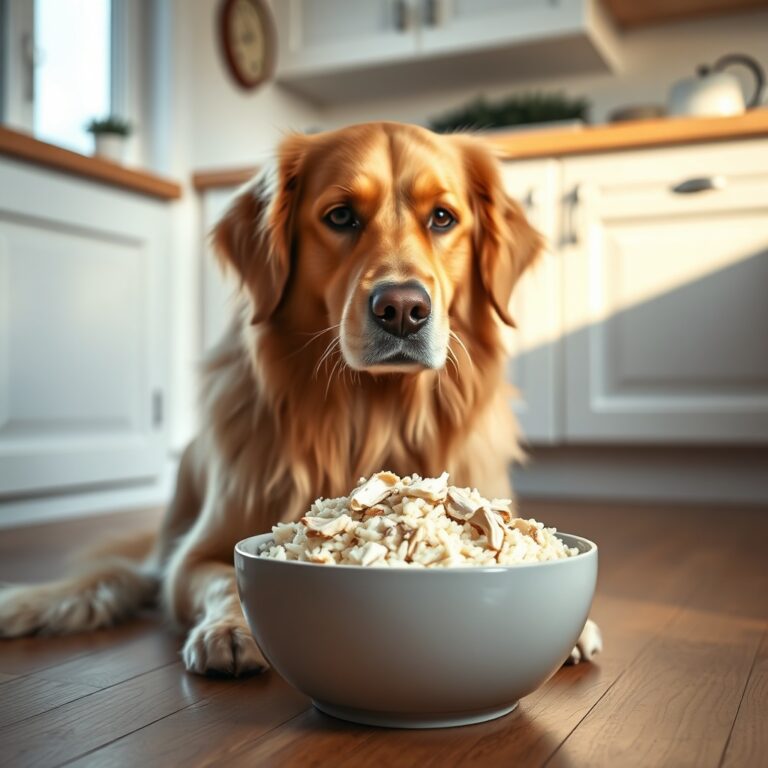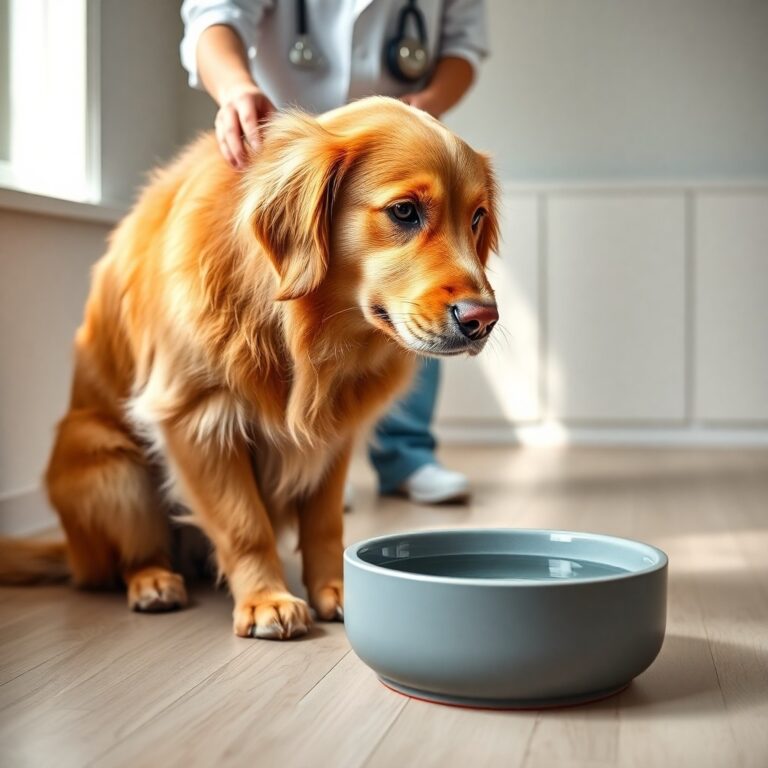
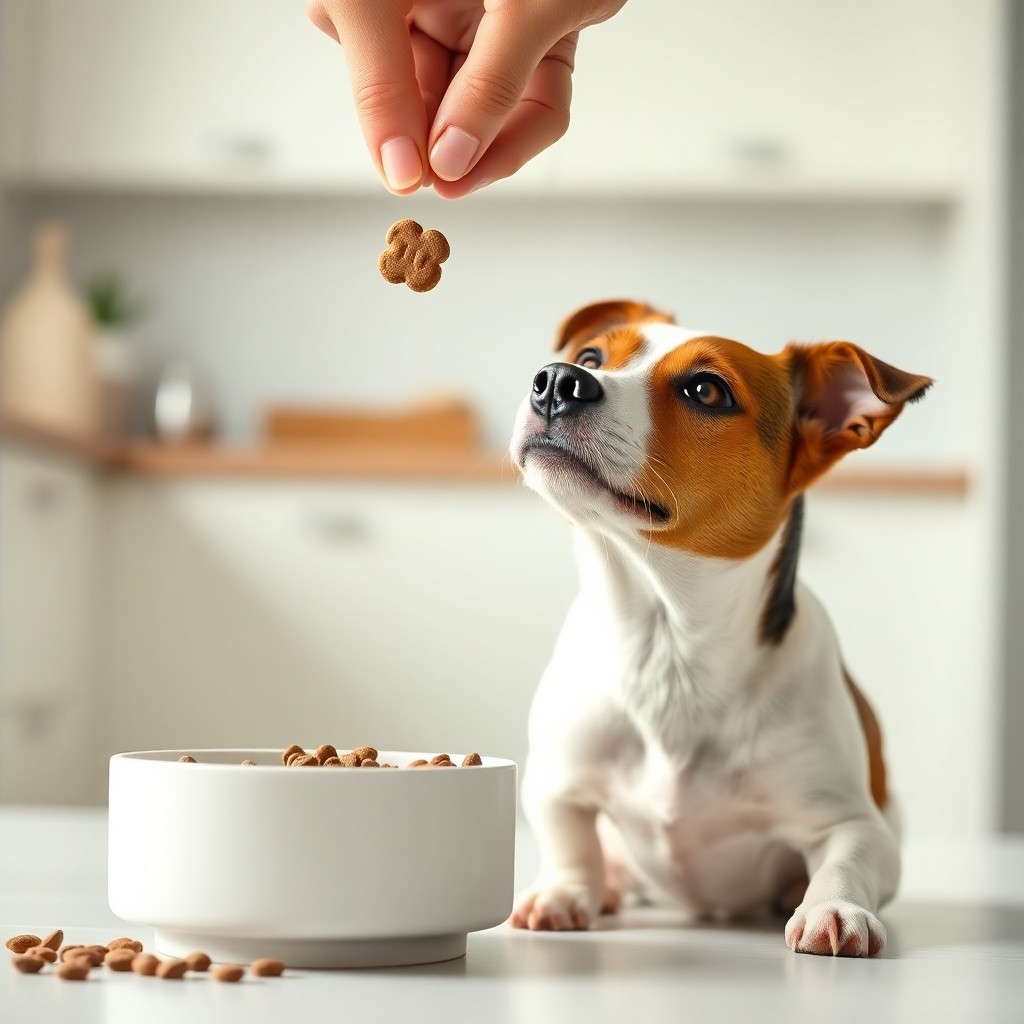
There is very little quite as frustrating as watching your dog turn their nose up at a full bowl of kibble, only to beg enthusiastically for a smelly biscuit thirty seconds later. If you have ever caved and offered table scraps just to get them to eat something, you are certainly not alone—dogs are brilliant strategists, and refusing the boring stuff is usually just the first step in their master plan to hold out for better options. The good news is that while this standoff at the food bowl can test your patience, it is a completely normal habit that is entirely reversible.
A dog refusing dry food but eagerly eating treats is usually displaying selective eating behavior (holding out for tastier options) or experiencing early dental pain that makes hard kibble uncomfortable to chew, while soft, high-value treats remain easy and rewarding to ingest. Identifying whether the issue is behavioral or physical is the first step toward restoring a healthy feeding routine.
The Core Reasons Behind the Kibble Boycott
1. Behavioral Refusal: The Clever Negotiator
Dogs are incredibly fast learners. If a dog refuses dry food and is immediately offered a handful of chicken, cheese, or premium commercial treats, they quickly connect the dots. For the dog, the sequence is clear: refusing dry food leads to a culinary upgrade. Over time, this accidental positive reinforcement turns a normal eater into a picky negotiator who will gladly starve themselves for a few hours to force an owner’s hand.
2. Dental Pain and Oral Discomfort
Chewing hard dry kibble requires significant jaw pressure and healthy teeth. If a dog has fractured teeth, inflamed gums (gingivitis), or periodontal disease, crushing dry kibble can cause sharp pain. Treats, on the other hand, are often softer, semi-moist, or simply small enough to swallow whole without chewing. The adrenaline and high motivation associated with a tasty treat can also temporarily mask mild oral pain, whereas boring kibble is not worth the discomfort.
3. Food Spoilage and Sensory Issues
Dogs have an incredibly powerful sense of smell. Dry kibble contains fats and oils that begin to oxidize and go rancid as soon as the bag is opened. If a large bag of food has been open for more than six weeks, or if it has been stored in a warm, humid environment, the aroma changes drastically. While the food might look fine to human eyes, it may smell stale, metallic, or sour to a dog. Treats, usually stored in airtight, highly sealed pouches, retain their potent, enticing aroma.
4. Minor Gastrointestinal Distress or Nausea
When a dog feels slightly nauseous or has a mild stomach upset, they will reject their main meal because the volume of food feels overwhelming. However, they may still accept a highly palatable treat. Highly concentrated flavors and fats in treats can bypass a low appetite, whereas a large bowl of dry, bland kibble offers no sensory incentive to eat through the discomfort.
Step-by-Step Action Plan to Reset Your Dog’s Appetite
If a veterinarian has ruled out underlying medical issues, use this structured behavioral approach to break the kibble strike and re-establish healthy eating habits.
Step 1: Implement the 20-Minute Rule
Stop leaving food bowls out all day. Free-feeding lowers the perceived value of food. Instead, put the dry food bowl down for exactly 20 minutes. If the dog does not eat it, calmly pick the bowl up and put it away until the next scheduled mealtime. Do not offer any food, treats, or table scraps in between. A healthy dog will not starve themselves, and building natural hunger is a powerful motivator.
Step 2: Declare a Temporary Treat Freeze
For the next 7 to 10 days, completely eliminate all treats, dental chews, and table scraps. This breaks the cycle of expectation. The dog must learn that dry food is their only source of nutrition. If training is necessary during this period, use a small portion of their daily kibble allowance as training rewards.
Step 3: Enhance the Sensory Appeal of the Kibble
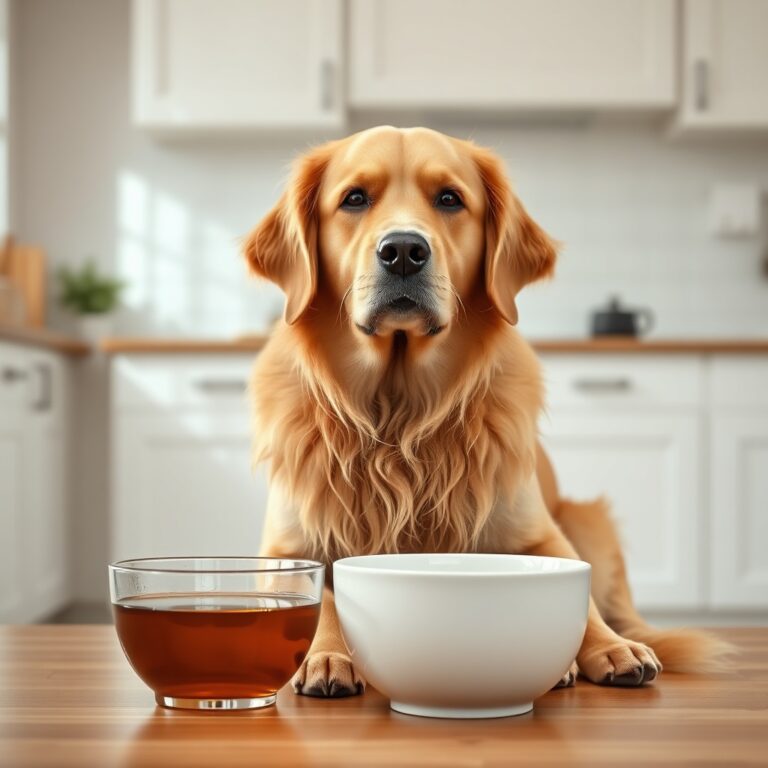
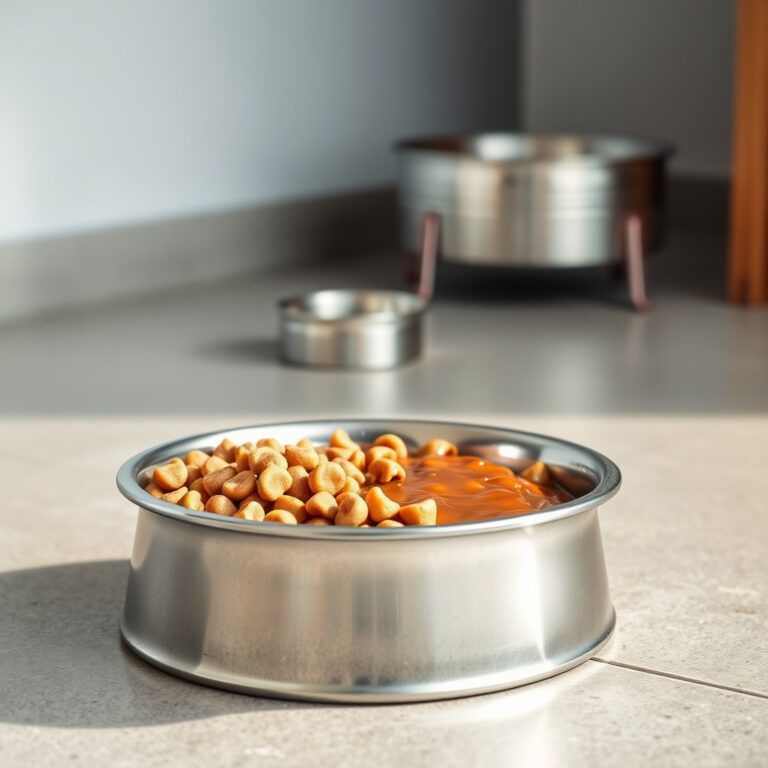
Make the dry food more appealing without turning it into a high-fat cheat meal. Add a splash of warm water or low-sodium, dog-safe bone broth to the kibble and let it sit for five minutes. This creates a savory gravy and softens the texture, making it easier to chew and releasing rich aromas that stimulate the dog’s appetite.
Common Feeding Mistakes to Avoid
- Catering to the drama: Following a dog around the house with a bowl or hand-feeding kibble teaches them that food refusal results in undivided human attention.
- Sudden diet hopping: Constantly changing food brands to find one the dog ‘likes’ actually encourages pickiness. The dog learns that rejecting food triggers a exciting new flavor trial.
- Using poor storage practices: Keeping dry food in its original bag rolled up with a clip is rarely enough. Use an airtight, food-grade plastic container and keep it in a cool, dry place.
Frequently Asked Questions
How long can a dog safely go without eating?
A healthy adult dog can comfortably go 24 to 48 hours without food, provided they are drinking water. While it can be stressful for owners, holding out during a food strike is often necessary to break picky behavioral habits.
Could my dog be bored of their dry food?
Dogs have far fewer taste buds than humans and do not require dietary variety to be happy. What owners perceive as boredom is usually selective eating fueled by the anticipation of better alternatives like treats.
Should I switch to wet food if my dog refuses kibble?
Only switch if advised by a veterinarian due to health issues like dental disease. Switching to wet food solely to please a picky eater often teaches the dog that holding out pays off, and they may eventually reject the wet food too.