

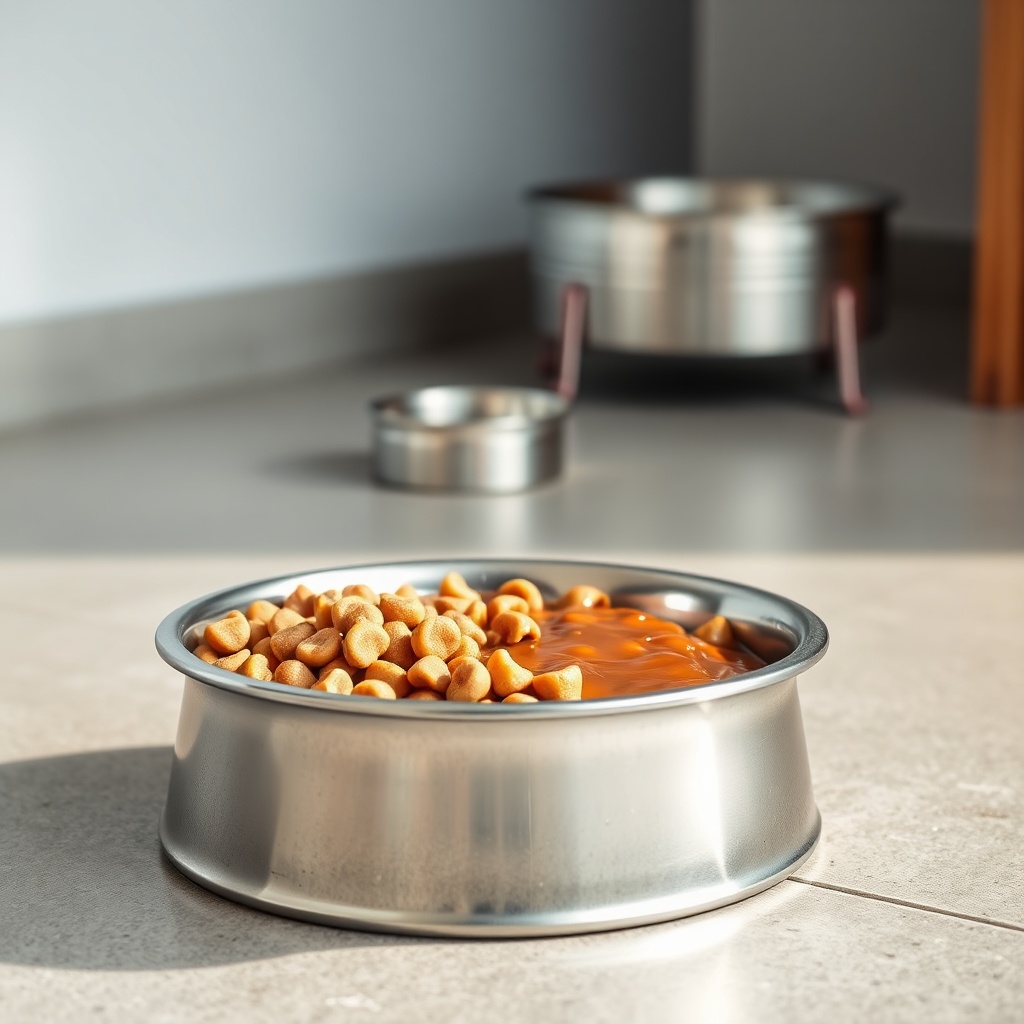
Juggling both kibble and canned food in your dog’s bowl might seem like the ultimate way to please a picky eater, but balancing the portions without throwing off their daily calorie count takes a bit of strategy. Figuring out how to combine these two very different textures safely is the key to keeping your pet at a healthy weight while still giving them meals they actually look forward to.
The Verdict on Mixing Dry and Wet Pet Food
Yes, you can safely mix dry kibble with wet canned food in a single meal, provided you adjust the portion sizes of both to prevent overfeeding. This feeding method, frequently referred to as ‘mixed feeding’ or ‘co-feeding,’ is highly recommended by veterinary nutritionists to enhance palatability while maintaining balanced nutrition.
For owners, this means you cannot simply add a scoop of wet food on top of your pet’s normal daily ration of dry kibble. Doing so dramatically increases their daily caloric intake, which can lead to canine or feline obesity over time. Instead, a systematic substitution method must be used where a portion of the dry food is removed to make room for the caloric equivalent of the wet food.
The Nutritional Benefits of Mixed Feeding
Combining wet and dry diets offers the best of both nutritional worlds. The World Small Animal Veterinary Association (WSAVA) emphasizes the importance of tailored nutrition that addresses both physical health and behavioral enrichment. Mixed feeding meets these standards through several distinct physiological mechanisms:
- Superior Hydration Support: Wet canned food contains between 75% and 82% water. For cats, which naturally have a low thirst drive, and dogs prone to urinary tract issues, the added moisture supports kidney function and helps prevent urinary crystal formation.
- Enhanced Palatability: The rich aroma and varied texture of wet food stimulate the appetite of senior pets, sick animals, or notoriously picky eaters.
- Dental Health Maintenance: The mechanical chewing action required by high-quality dry kibble helps scrape plaque from the teeth, supporting periodontal health in ways that a purely wet diet cannot.
How to Mix Dry Kibble and Wet Food Safely
Determining the correct feeding ratio requires looking at calories rather than volume. Because dry kibble is highly concentrated and dehydrated, a cup of kibble contains significantly more calories than a cup of wet food. Nutritional guidelines suggest using a consistent ratio, such as a 50/50 caloric split or a 75/25 kibble-to-wet topper ratio.
The table below highlights the fundamental differences in nutritional structure between the two food types:
| Nutritional Metric | Dry Kibble (Average) | Wet Canned Food (Average) |
|---|---|---|
| Moisture Content | 10% to 12% | 75% to 82% |
| Caloric Density | High (approx. 350-450 kcal per cup) | Low (approx. 70-100 kcal per 3oz can) |
| Primary Health Benefit | Dental plaque reduction & cost efficiency | Kidney health, hydration, & high palatability |
For owners, this means that replacing a quarter-cup of dry kibble might require adding half a can or more of wet food to keep the energy intake equal. Always consult the guaranteed analysis and caloric density listed on the packaging of both products to calculate exact conversions.
Important Rules for Mixed Feeding
To keep meals safe and nutritious, certain handling and preparation protocols must be observed:
- Do Not Leave Wet Mixes Out: Unlike dry kibble, which can be left in a bowl for free-feeding, wet food spoils rapidly. Any mixed meal that remains uneaten after 30 minutes must be discarded to prevent bacterial growth.
- Avoid Mixing Prescription Diets Without Vet Approval: If a pet is on a specific therapeutic diet for renal, urinary, or gastrointestinal issues, mixing it with standard over-the-counter wet or dry food can dilute the therapeutic benefits of the medication or nutrients.
- Keep Brands Consistent Initially: When beginning a mixed feeding routine, try to use wet and dry formulas from the same manufacturer and product line. This ensures the nutrient profiles are designed to complement each other and reduces the risk of gastrointestinal upset.
References
World Small Animal Veterinary Association (WSAVA) Nutritional Assessment Guidelines.
American Animal Hospital Association (AAHA) Nutritional Coaching Guidelines for Dogs and Cats.
Frequently Asked Questions
Can I mix different brands of dry and wet food?
Yes, you can mix different brands, but it is critical to ensure that both products are labeled as ‘complete and balanced’ rather than intended for intermittent or supplemental feeding. Mixing two complete diets ensures your pet still receives all required vitamins and minerals.
Can I mix dry and wet food for puppies or kittens?
Yes, mixing dry and wet food is highly beneficial for growing puppies and kittens as it introduces them to different food textures early in life. However, you must ensure both foods are formulated specifically for growth or ‘all life stages’ to support proper bone and organ development.
Is it okay to mix warm water with the kibble instead of wet food?
Yes, adding warm water to dry kibble is a highly effective way to create a gravy-like consistency, boost hydration, and release the food’s natural aromas. This is an excellent, low-calorie alternative for pets that need more moisture but are prone to weight gain.