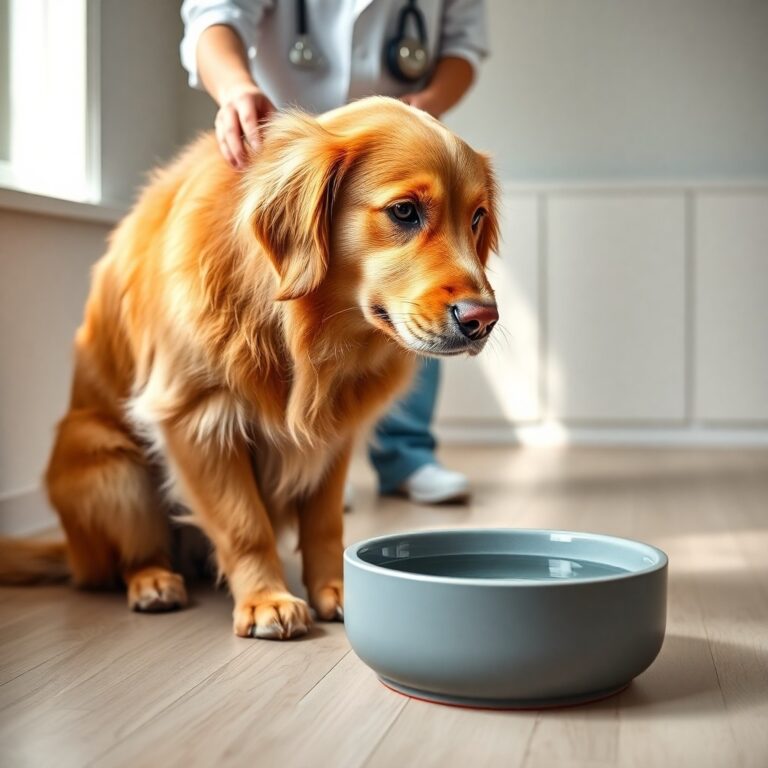

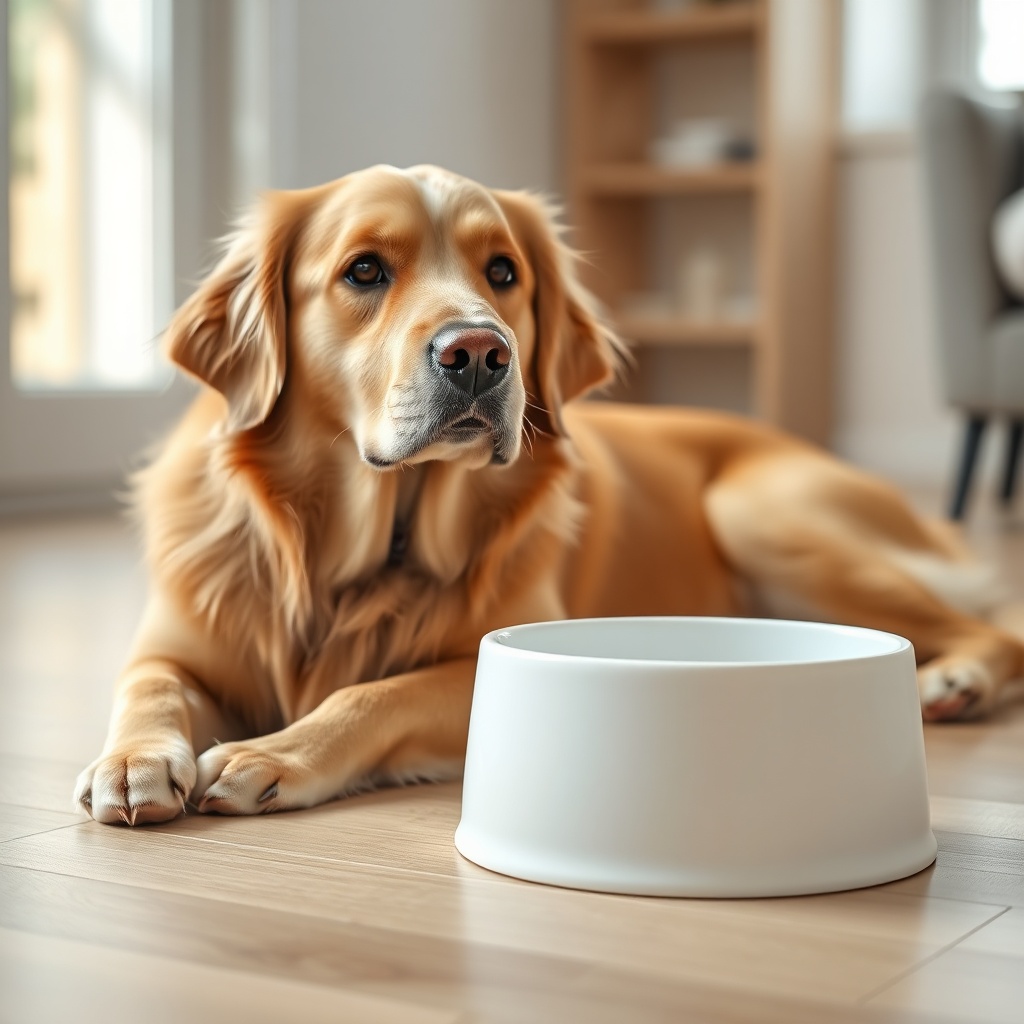
Your dog comes bounding through the front door after a long, energetic walk, panting hard and heading straight for the water bowl. While it’s second nature to top it right to the rim, letting them gulp down water too fast when they’re overheated can actually trigger dangerous health complications. Keeping your dog properly hydrated is vital, but managing how quickly they drink after intense exercise is key to keeping those post-walk risks at bay.
Immediately after a walk, a dog should only consume a few small laps of water every 5 to 10 minutes until their breathing returns to normal, rather than drinking an entire bowl at once. While a healthy dog generally requires 0.5 to 1 ounce of water per pound of body weight daily, post-exercise intake must be carefully rationed to prevent conditions like bloat or water intoxication.
The Physiology of Post-Walk Hydration
During exercise, a dog’s heart rate increases, and panting serves as their primary mechanism for thermoregulation. Panting evaporates moisture from the tongue, nasal passages, and lungs, which inherently causes water loss. However, the physical state of the body immediately post-walk is not prepared to process large volumes of liquids rapidly.
When a dog gulps water quickly, they swallow significant amounts of air (aerophagia). The stomach fills with a mixture of water, gas, and air. In deep-chested breeds, this rapid expansion can lead to Gastric Dilation-Volvulus (GDV), commonly known as bloat. This is a medical emergency where the stomach twists on its axis, cutting off blood supply to vital organs.
For owners, this means that even if a dog seems desperately thirsty, managing the pace of water consumption is far more important than immediately satisfying their thirst. Allowing the dog’s respiratory rate to slow down before allowing free access to water is a critical safety measure recommended by veterinary experts (AAHA).
The Two Major Risks of Rapid Post-Walk Drinking
Uncontrolled access to the water bowl after strenuous activity presents two distinct, life-threatening medical conditions that require immediate veterinary intervention.
1. Gastric Dilation-Volvulus (GDV) or Bloat
As the stomach swells with water and trapped air, it can rotate. This rotation obstructs the esophagus and the exit to the intestines. Symptoms of GDV include unproductive retching, a distended abdomen, extreme restlessness, and pale gums. Without rapid surgical decompression, GDV is fatal within hours.
2. Water Intoxication (Hyponatremia)
While less common than bloat, water intoxication occurs when a dog drinks excessive amounts of water in a very short period. This floods the extracellular space, diluting sodium levels in the blood. The drop in sodium causes cells to swell with fluid, which is particularly dangerous in the brain. Symptoms include lethargy, loss of coordination, vomiting, dilated pupils, and in severe cases, seizures or coma.
Safe Hydration Guidelines by Dog Weight
To safely manage your dog’s recovery after exercise, use the table below to determine the safe incremental water allowance during the first 30 minutes following a walk, before returning to normal, ad-libitum drinking.
| Dog Weight (lbs) | Daily Hydration Target (Total) | Safe Post-Walk Increment (Every 10 Mins) |
|---|---|---|
| 10 lbs | 5 to 10 oz | 1 to 2 oz |
| 30 lbs | 15 to 30 oz | 3 to 4 oz |
| 50 lbs | 25 to 50 oz | 6 to 8 oz |
| 80 lbs+ | 40 to 80 oz+ | 8 to 10 oz |
Step-by-Step Post-Walk Cooling and Hydration Protocol
To minimize risks, establish a structured cool-down routine after every walk or exercise session. This process ensures the canine cardiovascular and digestive systems return to homeostasis safely.
- Step 1: The Transition Walk. Slow down the pace during the last five minutes of the walk to allow the heart rate to decrease gradually.
- Step 2: Temperature Control. Bring the dog into a cool, shaded, or air-conditioned environment. Allow them to lie down on a cool surface like tile or a cooling mat.
- Step 3: Small Incremental Portions. Offer a small, measured amount of water (as indicated in the table above). If the dog finishes it and continues to pant heavily, wait 5 to 10 minutes before offering the same amount again.
- Step 4: Full Access Recovery. Once the heavy panting stops and the dog’s breathing is quiet and regular (typically 20 to 30 minutes post-walk), the water bowl can be filled and left for normal, self-regulated drinking.
Recognizing Dehydration vs. Heatstroke
It is vital to distinguish between a thirsty dog and a dog suffering from heatstroke or severe dehydration. A dehydrated dog needs fluids, but if they are suffering from heatstroke, rapid cooling of the body is the priority, and forcing water can lead to aspiration.
To check for dehydration, gently pinch the skin between the shoulder blades. If the skin lacks elasticity and remains tented, or if the gums feel dry and sticky rather than wet, the dog is dehydrated. Heatstroke signs include bright red gums, thick saliva, vomiting, and confusion. If heatstroke is suspected, cool the dog’s body with cool (not cold) wet towels and transport them to a veterinary clinic immediately (AVMA).
Frequently Asked Questions
Can I give my dog ice cubes after a walk?
Yes, offering ice cubes is a safe way to cool down a dog and provide hydration slowly. Licking an ice cube prevents the rapid swallowing of water and air, lowering the risk of bloat. However, avoid feeding large ice chunks to toy breeds to prevent choking hazards or dental fractures.
How long should I wait to feed my dog after a walk?
It is recommended to wait at least 30 to 45 minutes after a walk before feeding a dog. Feeding an exhausted, panting dog increases the risk of choking, food inhalation, and gastric bloat.
What should I do if my dog vomits water after a walk?
If a dog vomits water immediately after drinking post-walk, it usually means they drank too fast or too much. Withhold water for 15 minutes to let the stomach settle, then reintroduce small sips. If vomiting persists, or is accompanied by dry heaving, seek veterinary care immediately.
References
American Animal Hospital Association (AAHA) Canine Life Stage Guidelines.
American Veterinary Medical Association (AVMA) Emergency Care and Heatstroke Protocols.