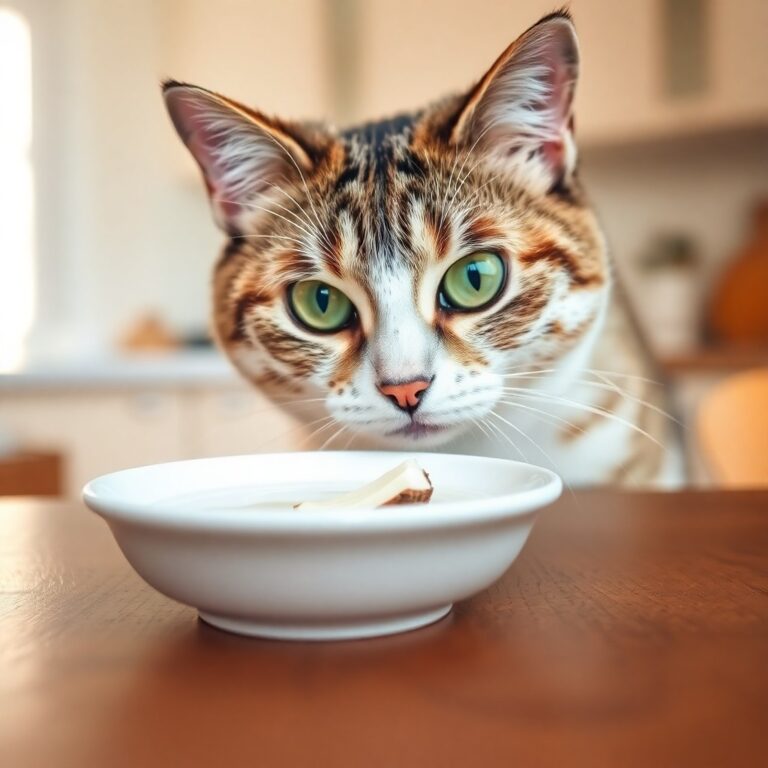

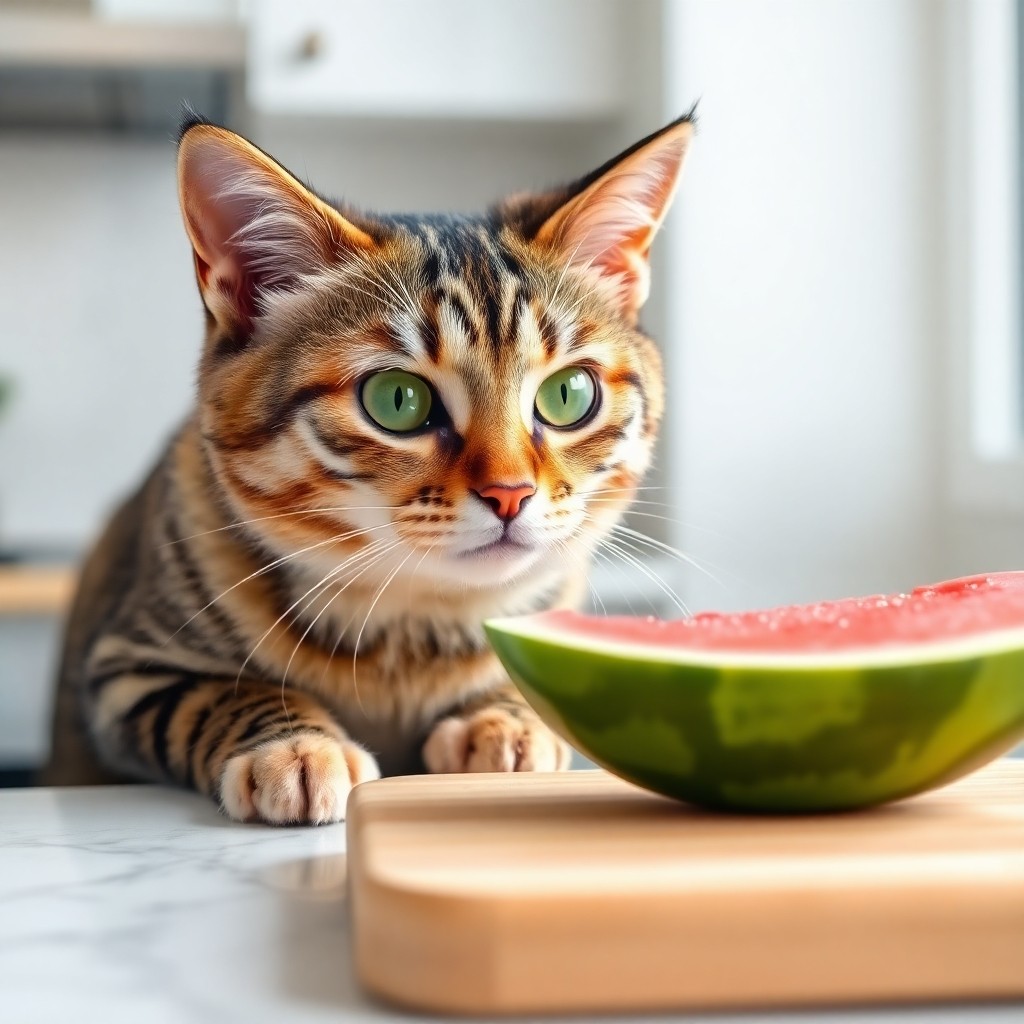
Finding your cat chewing on a discarded piece of watermelon rind is enough to spike any pet owner’s anxiety. While sharing a bite of the pink fruit is usually harmless, the tough outer skin brings a completely different set of risks that every cat owner should know about before panic sets in.
No, cats should not eat watermelon rind. While the soft, red flesh of a watermelon is non-toxic and relatively safe for cats in tiny, occasional amounts, the tough green outer rind is highly indigestible, creating immediate choking hazards and severe risks of gastrointestinal blockages.
Why Watermelon Rind is Dangerous for Cats
A cat’s digestive tract is built specifically for processing animal proteins. As obligate carnivores, felines lack the specialized digestive enzymes and elongated intestinal tracts required to break down complex plant matter like cellulose and hemicellulose, which make up the bulk of the rind’s structure.
1. Severe Risk of Gastrointestinal Obstruction
The fibrous, woody texture of the rind cannot be dissolved by a cat’s stomach acid. If a cat swallows a chunk of watermelon rind, it remains virtually intact as it attempts to pass through the digestive tract. This can lead to a partial or complete gastrointestinal obstruction. For owners, this means a physical block in the digestive system that prevents food and water from passing through, which can rapidly cut off blood supply to the intestines and requires immediate emergency veterinary intervention.
2. Choking Hazard
Because the rind is incredibly tough and rubbery, cats cannot easily chew it into safe, manageable pieces. They may attempt to swallow large fragments whole. These pieces can easily lodge in their narrow esophagus or trachea, obstructing their airway and causing acute suffocation.
3. Pesticide and Chemical Residues
The outer green skin of watermelons is frequently treated with agricultural sprays, fertilizers, and preservation waxes. When cats chew on the raw rind, they directly ingest these toxic surface residues, which can trigger acute chemical poisoning or severe stomach upset.
Watermelon Safety Profile for Felines
To help you understand how different parts of a watermelon affect your cat, refer to the safety classification table below:
| Watermelon Part | Safety Level | Primary Risk Factor | Owner Action Required |
|---|---|---|---|
| Red Flesh (Seedless) | Moderate (Occasional Treat Only) | High sugar content, mild diarrhea if overfed | Feed only in tiny, fingernail-sized bites. Ensure it does not exceed 10% of daily caloric intake (AAHA). |
| Black/White Seeds | Dangerous | Choking, intestinal blockage, mild digestive toxins | Always remove all seeds before offering flesh to your cat. |
| Green/White Rind | Highly Hazardous | Physical obstruction, choking, chemical ingestion | Do not feed. Keep rind scraps safely locked in a secure trash bin. |
Symptom Recognition: What to Watch For
If your cat has accidentally chewed or swallowed a piece of watermelon rind, you must monitor them closely over the next 24 to 48 hours. Watch closely for the following clinical signs of gastrointestinal distress or airway blockage:
- Repetitive vomiting or dry heaving: A classic sign that food or foreign objects cannot pass through the stomach.
- Lethargy and weakness: Your cat may hide, refuse to move, or show a sudden drop in their normal energy levels.
- Loss of appetite: A complete refusal to eat their normal food or drink water.
- Abdominal pain: Hissing, growling, or showing physical discomfort when their belly area is touched.
- Changes in defecation: Straining to defecate, diarrhea, or a complete absence of bowel movements.
When to Contact Your Veterinarian
Do not wait for severe symptoms to manifest if you know your cat swallowed a solid piece of watermelon rind. Call your veterinarian or an emergency animal clinic immediately. Early clinical intervention is critical. If caught quickly, a veterinarian may be able to safely induce vomiting or retrieve the object endoscopically before it passes deep into the intestines, avoiding invasive abdominal surgery.
References
This dietary safety guide aligns with companion animal nutrition standards and emergency diagnostic protocols established by the American Animal Hospital Association (AAHA) and the World Small Animal Veterinary Association (WSAVA).