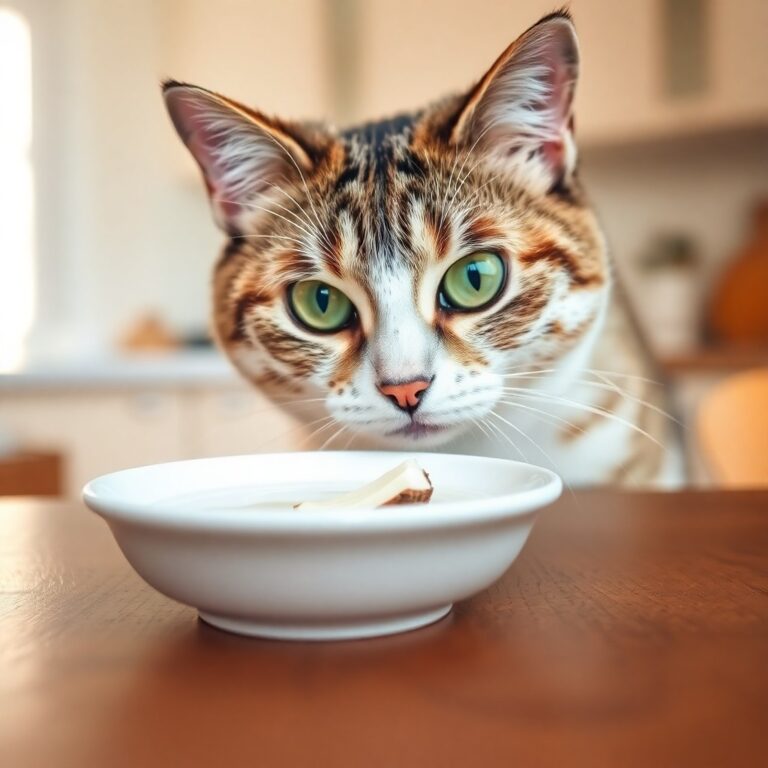
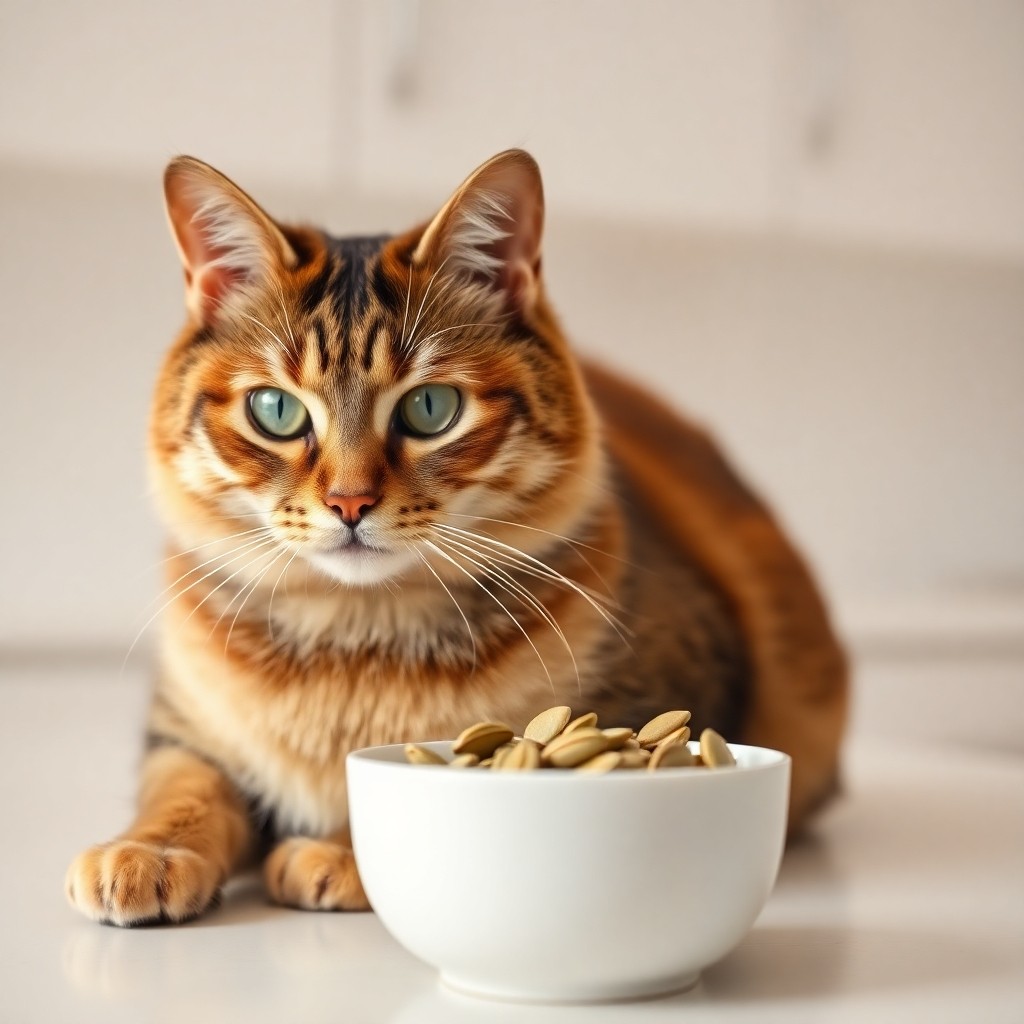
Carving pumpkins usually leaves behind a mountain of seeds, and if your cat comes investigating the kitchen counter, you might find yourself wondering whether it is safe to toss them a few. While those leftover seeds can be a healthy snack for humans, felines process foods quite differently, and handing them over without a second thought can lead to unexpected tummy trouble.
Yes, cats can eat pumpkin seeds safely as they are non-toxic, but they must be peeled, unsalted, and either raw or roasted without any oils, spices, or seasonings to prevent choking or severe digestive distress. While these small seeds offer several nutritional perks, they must be treated strictly as an occasional supplement rather than a dietary staple.
Nutritional Profile of Pumpkin Seeds for Felines
Pumpkin seeds (also known as pepitas) are dense packages of nutrients. When integrated correctly into a balanced feline diet, they provide essential minerals, healthy fats, and dietary fiber that support overall systemic health. Feline nutritional standards emphasize that treats should never exceed 10% of a cat’s daily caloric intake (AAFCO).
For owners, this means that while pumpkin seeds contain highly beneficial micronutrients, they are also calorie-dense and must be offered in highly controlled, minuscule portions to avoid offsetting the nutritional balance of their primary complete cat food.
| Nutrient | Primary Benefit for Cats | Clinical Impact |
|---|---|---|
| Dietary Fiber | Supports gastrointestinal motility | Aids in preventing constipation and managing hairballs. |
| Zinc & Iron | Supports cellular function and blood health | Improves coat quality and cellular oxygen transport. |
| Magnesium | Assists in enzymatic reactions | Supports bone strength and muscular function. |
| Omega-3 & Omega-6 Fatty Acids | Reduces systemic inflammation | Promotes healthy skin and a glossy coat. |
Health Benefits: Digestion and the Parasite Myth
The primary clinical benefit of pumpkin seeds for cats lies in their high soluble and insoluble fiber content. This fiber acts as a natural bulk-forming agent in the feline digestive tract. If your cat suffers from mild, chronic constipation or frequent hairballs, a tiny amount of crushed pumpkin seed can help sweep the digestive system clean, encouraging regular bowel movements.
You may have heard that pumpkin seeds function as a natural dewormer. This belief stems from the presence of cucurbitacin, an amino acid found in pumpkin seeds that has been shown to paralyze certain intestinal parasites in laboratory settings. However, for pet owners, this means that while pumpkin seeds may support a hostile environment for parasites, they are not a reliable or clinically proven cure for an active worm infestation. They must never replace veterinarian-prescribed broad-spectrum dewormers.
Potential Risks and Side Effects
Despite their benefits, pumpkin seeds pose distinct hazards if prepared or served incorrectly. Feline digestive tracts are optimized for animal proteins, meaning their bodies struggle to process large quantities of plant matter.
- Choking and Intestinal Blockage: The tough, fibrous outer shell (hull) of a raw pumpkin seed is incredibly difficult for a cat to chew and digest. Whole seeds can easily catch in a cat’s throat or cause a physical obstruction further down the digestive tract.
- Gastrointestinal Upset: Introducing sudden fiber or fat loads can irritate the sensitive lining of the stomach and intestines. This can lead to acute vomiting, flatulence, or diarrhea.
- Sodium and Chemical Toxicity: Commercial pumpkin seeds packaged for human consumption are frequently coated in salt, garlic powder, onion powder, or artificial preservatives. Garlic and onions are highly toxic to cats and can cause life-threatening hemolytic anemia.
- High Caloric and Fat Content: Pumpkin seeds contain concentrated lipids. Overfeeding can lead to rapid weight gain or trigger acute pancreatitis, a painful inflammatory condition of the pancreas.
How to Safely Prepare Pumpkin Seeds for Cats
To safely introduce pumpkin seeds into your cat’s diet, you must follow strict preparation steps. Do not feed seeds directly from a fresh pumpkin without processing them first.
Step 1: Shell the Seeds
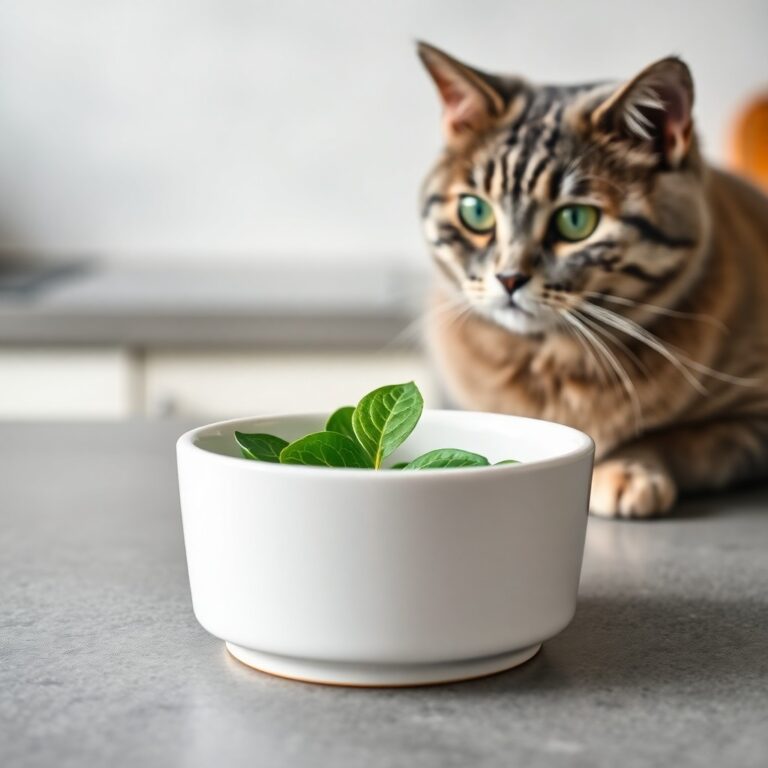
Always remove the hard, woody outer shell. Only feed the soft, green inner seed (the pepita). This completely eliminates the primary choking hazard.
Step 2: Keep It Pure
Feed the seeds raw, or dry-roast them at home. If roasting, place them on a baking sheet with absolutely no butter, oil, salt, or spices. Roast at a low temperature (around 300°F/150°C) for 10 to 15 minutes until slightly dry.
Step 3: Grind into a Powder
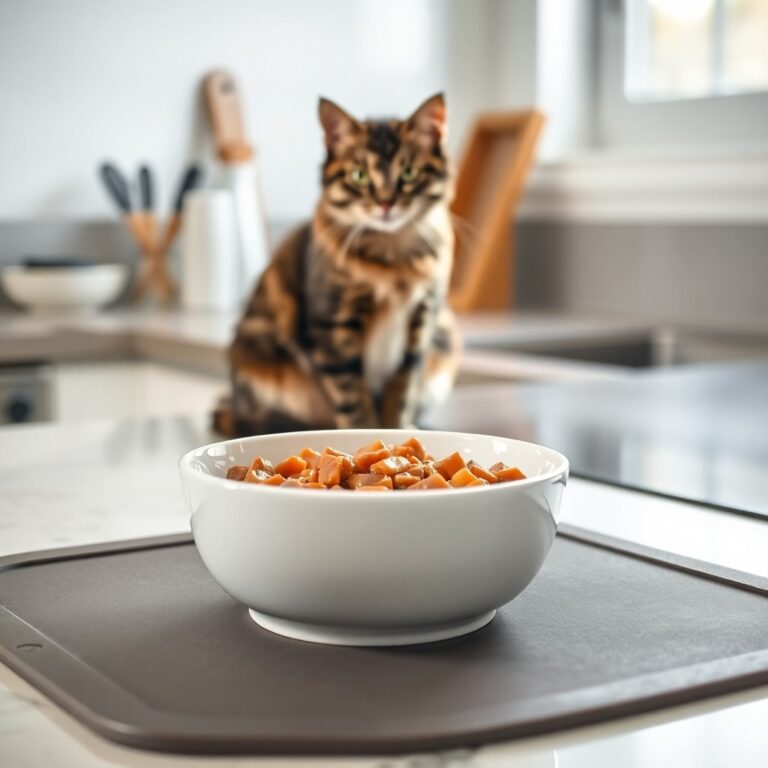
Cats do not chew their food the same way humans do; they tend to swallow small pieces whole. Grind the safe, roasted pepitas into a fine powder using a spice grinder or mortar and pestle. Sprinkle a tiny pinch (no more than 1/4 teaspoon) directly onto their wet food once or twice a week.
When to Escalate to Your Veterinarian
Monitor your cat closely after they ingest any portion of a pumpkin seed. You should seek immediate veterinary attention if you observe any of the following clinical symptoms:
- Repetitive gagging, coughing, or pawing at the mouth (indicating a physical airway obstruction).
- Lethargy, abdominal pain, or a sudden loss of appetite.
- Persistent vomiting or watery diarrhea lasting more than 24 hours.
Frequently Asked Questions
Can cats eat pumpkin seed shells?
No, cats should never eat pumpkin seed shells. The outer hulls are extremely tough, sharp, and indigestible, presenting a severe risk of choking or mechanical obstruction in the intestinal tract.
Are raw pumpkin seeds better than roasted ones for cats?
Both are acceptable as long as they are shelled and completely plain. Raw pepitas retain slightly more delicate nutrients, while dry-roasted pepitas are easier to grind down into a safe, digestible powder.
Can pumpkin seeds cure my cat’s constipation?
While the fiber in pumpkin seeds can assist with mild, occasional constipation, it is not a cure for chronic megacolon or severe blockages. Consult your veterinarian for a targeted treatment plan if your cat has not passed stool for more than 48 hours.
References
- World Small Animal Veterinary Association (WSAVA) Global Nutrition Committee. Nutritional Assessment Guidelines.
- American Association of Feed Control Officials (AAFCO). Dog and Cat Food Nutrient Profiles.