
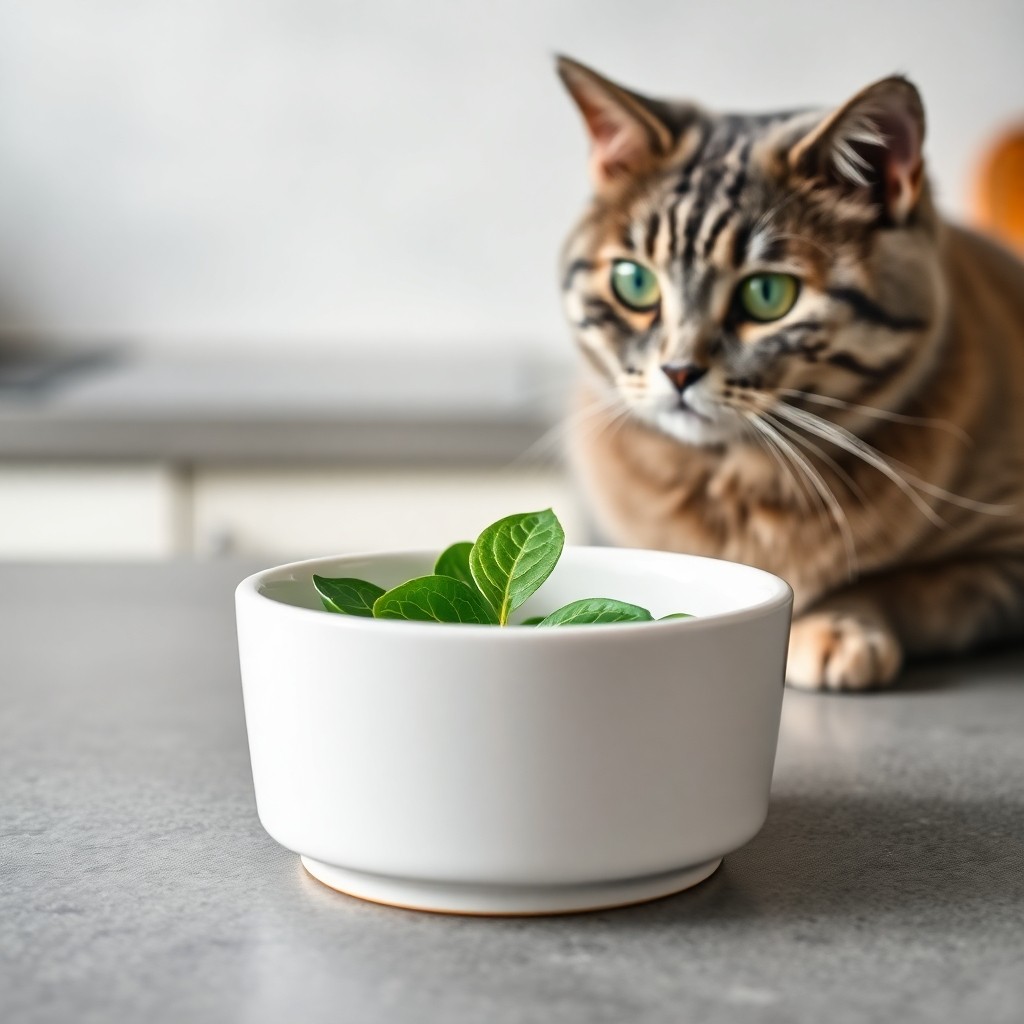
Tossing your cat a stray leaf of spinach from your dinner salad might seem harmless, but human superfoods don’t always translate well to feline biology. While a healthy cat can safely nibble on a small amount of spinach without immediate harm, certain underlying medical conditions can turn this leafy green into a serious health hazard.
Yes, cats can eat spinach, but only in very small quantities and only if they do not have a history of kidney or urinary tract issues. Spinach contains high levels of calcium oxalates, which can contribute to the formation of painful bladder and kidney stones in susceptible felines.
Nutritional Profile of Spinach for Felines
Spinach is packed with vitamins and minerals that, in theory, offer nutritional value. It contains high amounts of vitamin A, C, and K, as well as iron, folate, and dietary fiber. However, because cats are obligate carnivores, their digestive tracts are optimized to extract nutrients from animal proteins rather than plant matter. Their bodies do not synthesize or absorb these plant-based vitamins as efficiently as humans do.
When offered as an occasional treat, the fiber in spinach can assist with digestion and bowel regularity. Below is a breakdown of the key nutrients found in spinach and their clinical relevance to felines:
| Nutrient | Role in Feline Physiology | Dietary Context for Cats |
|---|---|---|
| Calcium Oxalate | Organic compound | High risk factor for urinary crystal formation. Limit strictly. |
| Dietary Fiber | Aids digestive transit | Beneficial in microscopic amounts for hairball control. |
| Vitamin K | Supports blood clotting | Typically formulated sufficiently in commercial wet and dry foods. |
| Iron | Supports red blood cell production | Plant-based iron (non-heme) is poorly absorbed by cats compared to heme iron from meat. |
The Primary Risk: Calcium Oxalate Crystals
The primary medical concern when feeding spinach to cats is the presence of calcium oxalates. When a cat consumes spinach, these compounds are filtered through the kidneys and excreted in the urine. If the concentration of oxalate is too high, it binds with calcium in the urinary tract, forming sharp, painful crystals known as calcium oxalate uroliths (WSAVA).
For owners, this means that even a tiny portion of spinach can trigger crystal formation in cats with a genetic predisposition or existing urinary issues. These stones cannot be dissolved medically and often require invasive surgical removal from the bladder or kidneys.
Clinical Signs of Urinary Distress
If your cat has consumed spinach and is suffering from calcium oxalate crystallization, you may observe the following clinical symptoms:
- Straining to urinate (dysuria) or crying out while in the litter box
- Blood in the urine (hematuria)
- Frequent attempts to urinate with little to no output
- Licking the genital area excessively
- Urinating outside of the litter box
If any of these signs occur, seek immediate veterinary attention, as a urinary blockage is a life-threatening medical emergency.
When is Spinach Strictly Forbidden?
While a healthy adult cat might tolerate a tiny piece of steamed spinach once a month without issue, certain feline populations must never consume it. According to clinical veterinary guidelines (AAHA), spinach must be completely excluded from the diet of cats with:
- Chronic Kidney Disease (CKD): Compromised kidneys cannot efficiently process and filter out oxalates.
- History of Urinary Stones: Cats that have previously suffered from calcium oxalate crystals are highly prone to recurrence.
- Feline Lower Urinary Tract Disease (FLUTD): Any underlying inflammation of the urinary tract increases the risk of complications.
- Systemic Acidosis: Low urine pH promotes the precipitation of calcium oxalate crystals.
How to Safely Prepare Spinach for Cats
If your cat is completely healthy and displays an interest in leafy greens, you may offer a microscopic portion under strict guidelines. Follow these preparation steps to minimize digestive upset:
1. Choose Organic and Wash Thoroughly
Pesticides and herbicide residues can be toxic to small animals. Always select organic spinach and wash the leaves thoroughly under running water to remove any chemical contaminants or bacteria.
2. Steam the Spinach
Never feed raw spinach to your cat. Raw leaves are tough and difficult for a carnivore’s digestive enzymes to break down. Steam the spinach plain without adding any salt, butter, oil, garlic, or onions. Alliums like onions and garlic are highly toxic to cats and cause Heinz body anemia.
3. Chop into Micro-Portions
Chop a single leaf into tiny, easily digestible pieces. Offer no more than a pinch (roughly half a teaspoon) mixed into their regular wet food. This should be treated as an occasional novelty rather than a regular dietary supplement.
Frequently Asked Questions
How much spinach can a cat eat safely?
A healthy cat should eat no more than a pinch of cooked spinach (less than half a teaspoon) once every few weeks. It should never make up a regular portion of their daily caloric intake.
Can cats drink spinach juice or spinach smoothies?
No. Juiced or blended spinach contains highly concentrated levels of oxalates and often includes other ingredients like yogurt, sweeteners, or fruits that can cause severe gastrointestinal distress or toxicity in cats.
What are safe green alternatives to spinach?
For cats that crave fresh vegetation, cat grass (typically wheatgrass, barley, or oat grass) is a much safer alternative. Cat grass provides the desired fiber and texture without the risk of calcium oxalate stone formation.
References
- World Small Animal Veterinary Association (WSAVA) Global Nutrition Committee Guidelines.
- American Animal Hospital Association (AAHA) Nutritional Assessment Guidelines for Dogs and Cats.
- ASPCA Animal Poison Control Center: Toxic and Non-Toxic Plants Database.