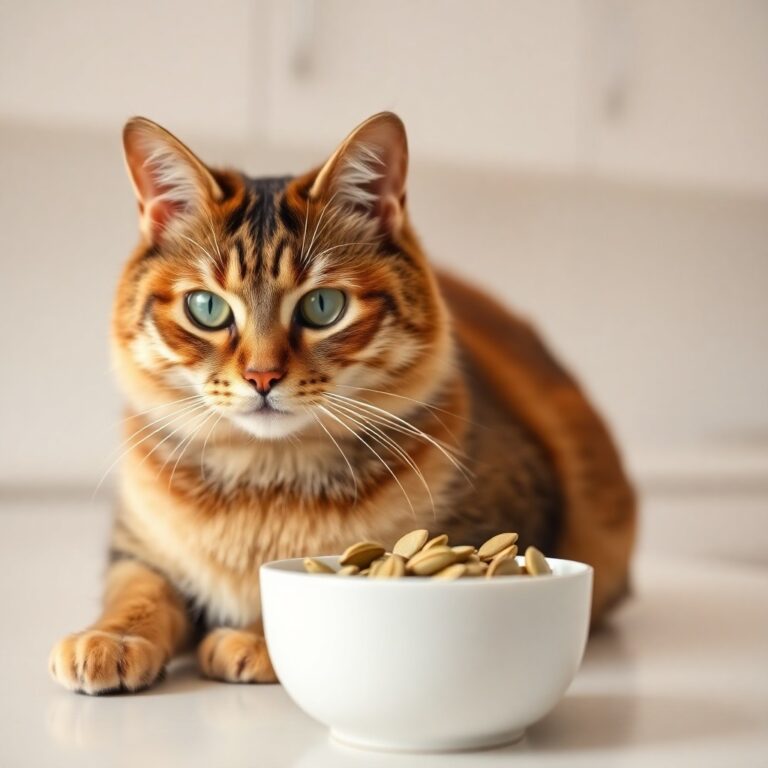

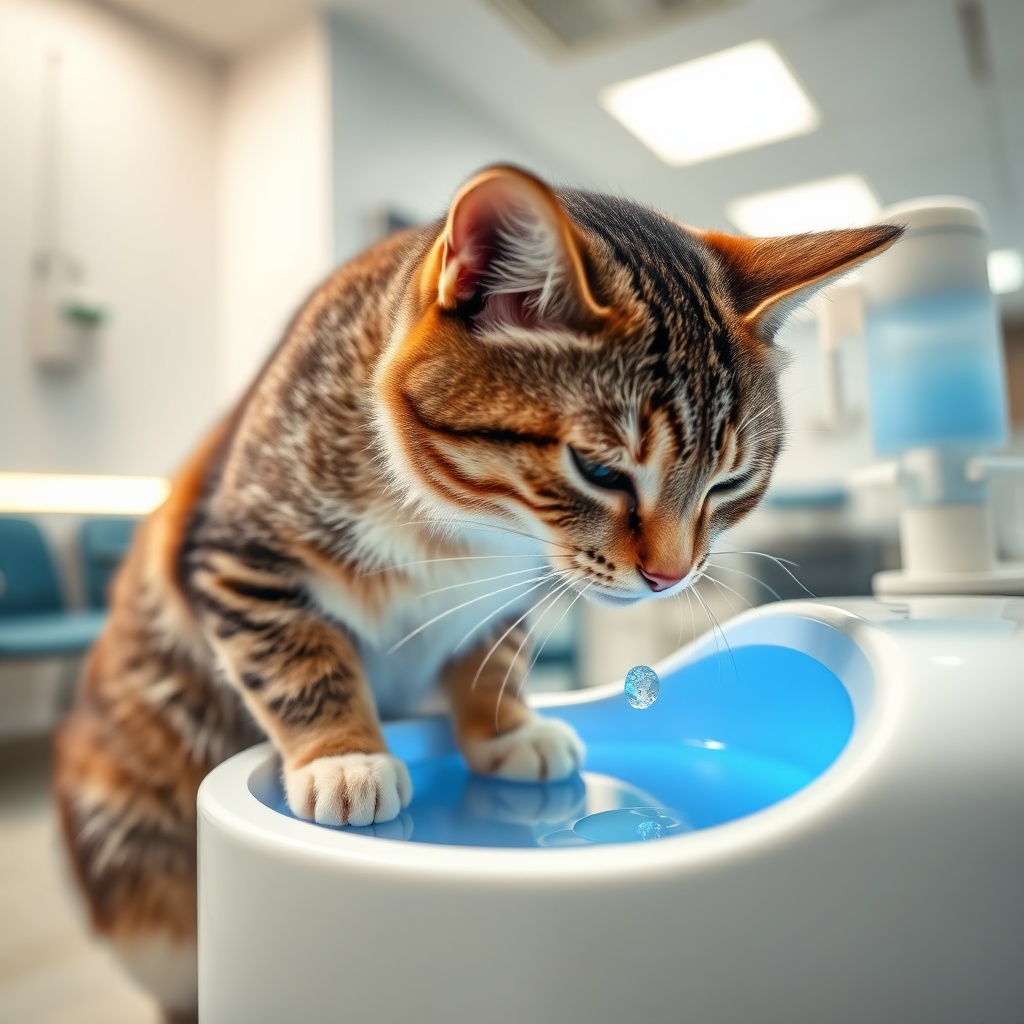
Cats have a notorious habit of ignoring their water bowls, leaving us to constantly guess whether they are actually drinking enough. Because felines evolved from desert-dwelling ancestors, they rarely gulp down water when thirsty, making chronic, low-grade dehydration a silent contributor to kidney and urinary tract issues that often go unnoticed until it’s too late.
A healthy adult cat requires approximately 0.8 to 1.0 fluid ounces (24 to 30 ml) of water per pound of body weight every day. For a standard 10-pound (4.5 kg) cat, this translates to roughly 8 to 10 ounces (240 to 300 ml) of water daily, depending heavily on whether they eat dry kibble or wet canned food.
Feline Hydration Math: Dry vs. Wet Food Impact
A cat’s ancestry as desert dwellers means they possess a low thirst drive. In the wild, their prey provides most of their hydration. Modern domestic cats still rely heavily on their food to supply water, which makes their daily diet the most critical variable in calculation.
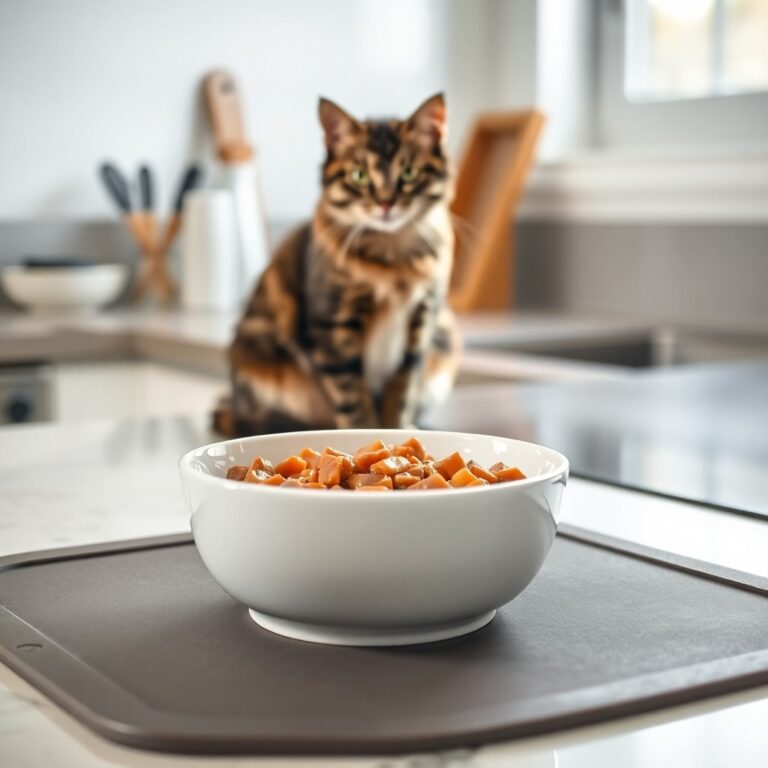
Dry kibble contains only about 6% to 10% water. In contrast, canned wet food typically contains 75% to 80% water. For owners, this means a cat eating only wet food will satisfy most of their hydration needs directly from their meals, while a kibble-fed cat must drink significantly more water manually to avoid a severe cellular hydration deficit.
Target Daily Water Intake Reference
The following table outlines the approximate water requirements for healthy adult cats based on weight and primary diet type, aligning with general feline nutritional standards.
| Cat Weight (lbs / kg) | Total Daily Water Goal | Estimated Needs if Fed 100% Canned Wet Food | Estimated Drinking Goal if Fed 100% Dry Kibble |
|---|---|---|---|
| 5 lbs / 2.3 kg | 4 – 5 oz (118 – 148 ml) | 0.5 – 1.0 oz (15 – 30 ml) to drink | 3.5 – 4.5 oz (104 – 133 ml) to drink |
| 10 lbs / 4.5 kg | 8 – 10 oz (236 – 296 ml) | 1.0 – 2.0 oz (30 – 59 ml) to drink | 7.0 – 9.0 oz (207 – 266 ml) to drink |
| 15 lbs / 6.8 kg | 12 – 15 oz (355 – 444 ml) | 1.5 – 3.0 oz (44 – 89 ml) to drink | 10.5 – 13.5 oz (311 – 399 ml) to drink |
Clinical Signs of Dehydration in Cats
Dehydration occurs when fluid loss exceeds fluid intake, depleting the body of vital water and essential electrolytes. Spotting the signs early can prevent emergency veterinary visits.
- Loss of Skin Elasticity (Skin Tenting): Gently pinch the skin over your cat’s shoulder blades and let it go. In a hydrated cat, the skin snaps back instantly. In a dehydrated cat, the skin remains tented or returns slowly.
- Tacky, Dry Gums: Healthy gums feel moist and slick. Lift your cat’s lip to touch the gums. Sticky, dry, or tacky gums are a classic marker of systemic fluid loss.
- Sunken Eyes: In more advanced stages of dehydration, the eyes may appear slightly sunken into the sockets, accompanied by a dull, listless expression.
- Poor Capillary Refill Time: Press your finger firmly against your cat’s gum until it turns white, then release. The color should return to healthy pink in under two seconds. For owners, a delay in color return signals poor tissue perfusion.
Practical Strategies to Increase Water Consumption
Because cats are visually stimulated by moving water and sensitive to tactile feedback from their whiskers, minor environmental changes yield major results in their drinking habits.
Use Running Water Fountains
Standing water in a standard bowl can be difficult for a cat to detect visually. Recirculating water fountains keep water cool, oxygenated, and audibly dynamic, which triggers the feline instinct to drink from fresh, moving streams.
Optimize Bowl Placement
Never place your cat’s water source directly next to their litter box or food bowl. In the wild, cats avoid drinking water located near their kill to prevent contamination. Separating food and water stations by several feet reduces stress and promotes regular hydration visits.
Prevent Whisker Fatigue
A cat’s whiskers are sensitive sensory organs packed with nerve endings. Deep, narrow bowls force their whiskers to rub against the sides, causing discomfort during drinking. Transition to wide, shallow stainless steel, ceramic, or glass bowls filled to the brim.
Incorporate Broth and Wet Food Mixes
Adding a splash of unsalted, onion-free bone broth directly to wet food or kibble instantly raises moisture levels. Gradually transitioning your cat to at least a partial wet-food diet is the most reliable way to boost daily hydration without battling their natural lack of thirst.
Clinical Warning Signs: When to See a Veterinarian
While low water intake is a concern, a sudden, dramatic increase in water consumption (known clinically as polydipsia) is an equally dangerous warning sign. If your cat is suddenly spending long periods lingering over the water bowl, it could indicate underlying chronic illnesses.
Increased drinking is a classic clinical marker for Chronic Kidney Disease (CKD), Feline Diabetes Mellitus, and Hyperthyroidism. When the kidneys begin to lose their filtering efficiency, the body attempts to flush toxins by producing dilute urine, driving the cat to drink excessively to replace the lost fluid volume. Any noticeable change in your cat’s drinking or urination habits requires a prompt consultation and diagnostic blood panel with your veterinarian.
References
The guidance in this article is aligned with the feline nutritional and wellness guidelines established by the American Animal Hospital Association (AAHA) and the World Small Animal Veterinary Association (WSAVA).