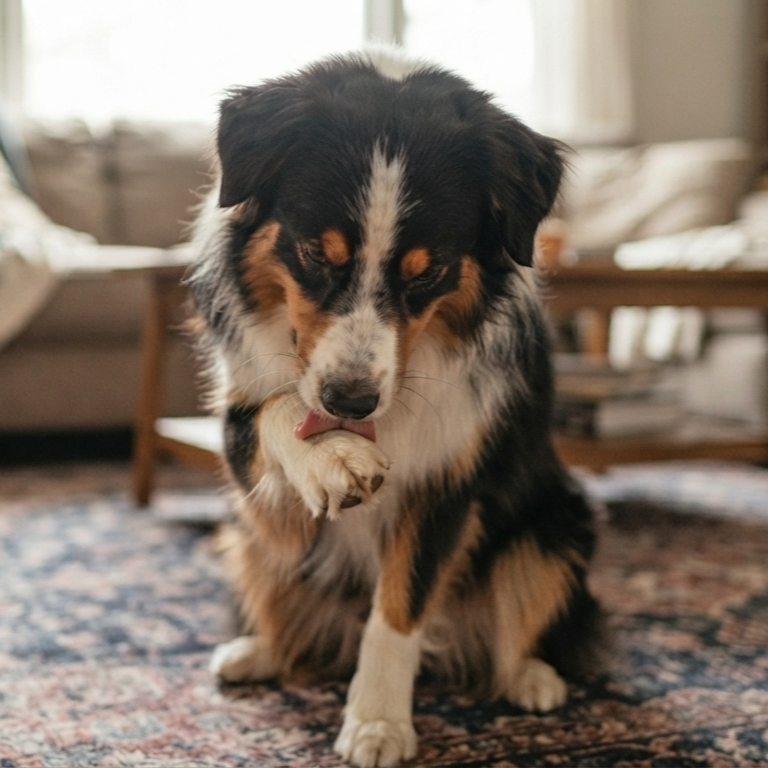
A sudden, violent snorting sound breaks the quiet in your living room. Your dog stands completely rigid, neck extended, eyes wide, making a terrifying honking noise as if they are suffocating. This alarming episode is a reverse sneeze, known clinically as inspiratory paroxysmal respiration.
Dogs reverse sneeze when an irritant—such as pollen, dust, nasal mites, or sudden excitement—inflames their soft palate and throat, causing rapid, involuntary spasms of inward breathing. While this sound is highly distressing to witness, it is almost always harmless and resolves on its own within a minute or two without medical intervention.
The Mechanics Behind the Honk
During a normal sneeze, your dog forcefully expels air outward through the nose to clear an irritant. In a reverse sneeze, the exact opposite happens. The dog pulls air rapidly and noisily inward. This occurs because the soft palate, the muscular tissue at the back of the roof of the mouth, becomes temporarily irritated or spastic. The airway narrows, making it difficult for the dog to draw in air easily. This produces the characteristic snorting, honking, or choking sound.
Your dog remains fully conscious and alert during these episodes. Once the spasm stops, they immediately go back to acting perfectly normal, with no lingering pain or distress.
Common Triggers of Reverse Sneezing
Understanding what sets off these episodes helps you minimize occurrences. The most frequent culprits include:
- Environmental Allergens: Pollen, mold spores, dust mites, and household chemical sprays.
- Foreign Objects: Microscopic plant matter, grass seeds, or dirt inhaled during a sniff.
- Excitement or Exercise: Rapid breathing from pulling on a leash, running, or playing.
- Anatomy: Brachycephalic (flat-faced) breeds like Pugs, French Bulldogs, and Shih Tzus have elongated soft palates that easily get sucked into the airway, triggering spasms.
- Nasal Mites: Tiny parasites (Pneumonyssoides caninum) that live in the nasal passages, easily transmitted between dogs.
How to Help Your Dog During an Episode
Do not panic. Your calm demeanor will keep your dog from becoming anxious, which only prolongs the spasm. Try these immediate, gentle steps to reset their breathing:
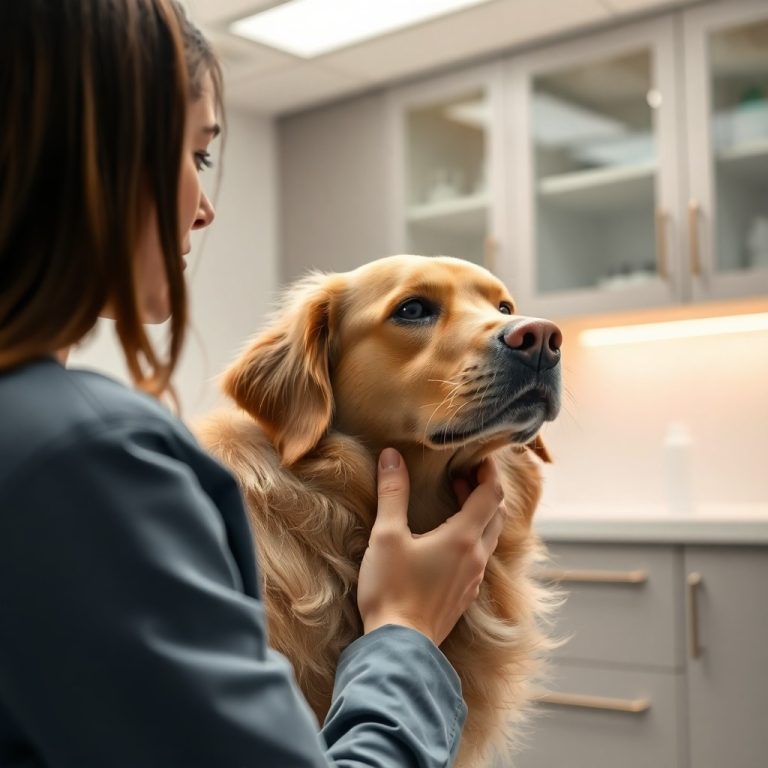
- Massage the Throat: Gently stroke your dog’s neck in a downward motion to stimulate swallowing, which helps relax the throat muscles.
- Cover the Nostrils: Briefly cover your dog’s nostrils with your fingers for one to two seconds. This forces them to open their mouth and swallow, instantly resetting the soft palate.
- Blow Gently on the Face: A soft puff of air directed at their nose can interrupt the inhalation spasm and trigger a swallow reflex.
- Change the Air: Walk them into a different room or step outside into the fresh air to remove them from any immediate airborne irritants.
When to See a Vet
While isolated cases are benign, frequent or changing respiratory patterns warrant professional evaluation. According to veterinary assessment standards outlined by the American Animal Hospital Association (AAHA), any chronic respiratory symptom must be evaluated to rule out underlying structural or infectious diseases.
Use this reference table to distinguish between a harmless reverse sneeze and a potential medical emergency:
| Symptom Profile | Typical Reverse Sneeze (Low Risk) | Veterinary Evaluation Needed (High Risk) |
|---|---|---|
| Frequency | Occasional (a few times a month or season) | Multiple times a day, or sudden daily onset |
| Duration | Under 2 minutes per episode | Lasting longer than 2 minutes, or constant gasping |
| Nasal Discharge | None | Thick yellow, green, or bloody discharge |
| Physical State | Completely normal before and after | Lethargic, coughing, exercise intolerant, or blue gums |
Clinical Diagnostic Steps
If you take your dog to the clinic, try to record a video of an episode on your phone. This visual evidence is invaluable for your vet, as dogs rarely perform the behavior on command in a clinic setting.
Your vet will perform a complete physical exam. If the episodes are frequent or severe, they may recommend a rhinoscopy—using a tiny camera to look inside the nasal passages—to check for foreign objects, polyps, or nasal mites. X-rays of the chest and throat can rule out tracheal collapse, especially in toy breeds like Yorkshire Terriers or Pomeranians.
Frequently Asked Questions
Can reverse sneezing hurt my dog?
No. Reverse sneezing does not cause physical pain, brain damage, or suffocation. It is a temporary spasm of the throat tissue, much like a mild muscle cramp or a tickle in the throat. Your dog is not choking, even though the sound suggests otherwise.
What is the difference between reverse sneezing and tracheal collapse?
Tracheal collapse involves a structural weakening of the windpipe, causing it to flatten when the dog inhales. It produces a persistent, dry, ‘goose-honk’ cough, especially during exercise or excitement. Reverse sneezing is a temporary spasmodic episode that occurs while standing still, characterized by rapid inward snorting rather than coughing.
Are there medications to stop reverse sneezing?
If the root cause is environmental allergies, your vet may prescribe antihistamines or anti-inflammatory nasal sprays to reduce irritation. If nasal mites are suspected, a simple course of antiparasitic medication will resolve the issue. Most dogs, however, require no medication at all.