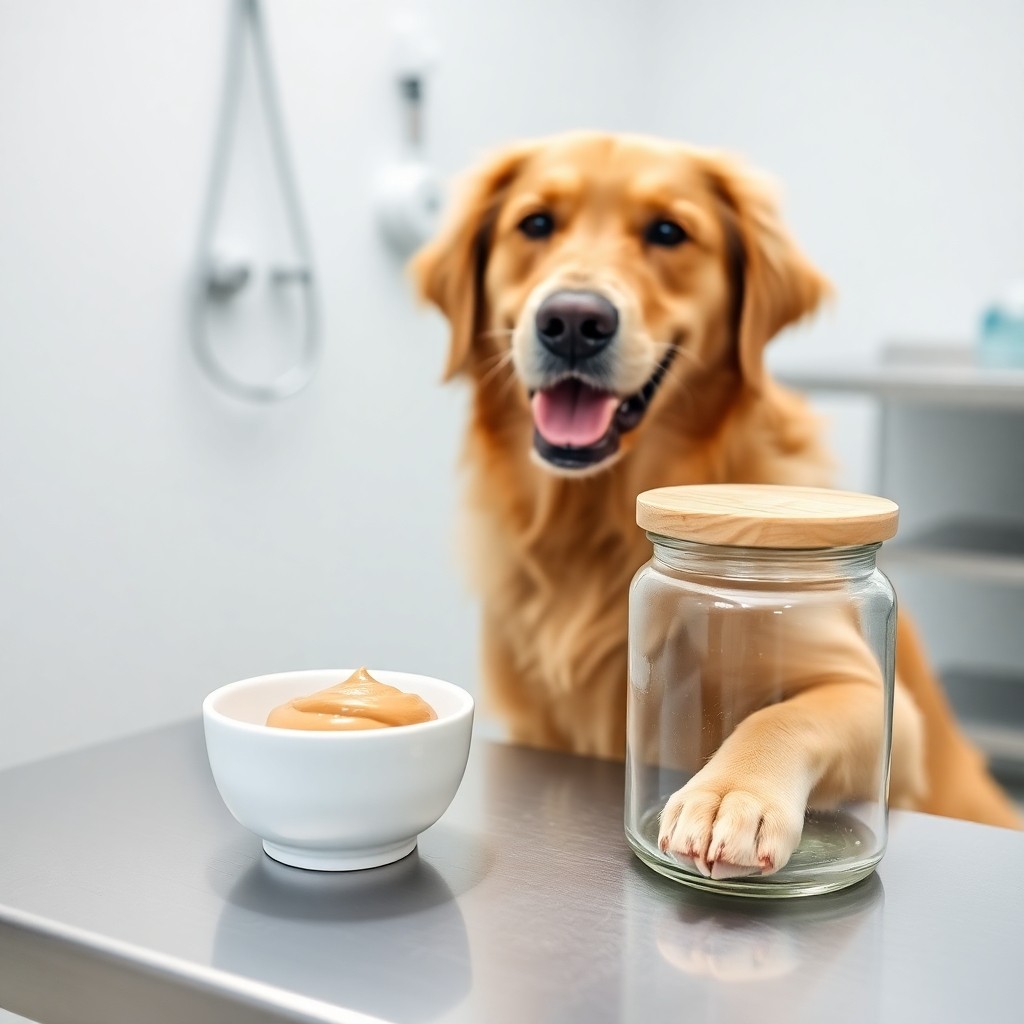
That familiar *click* of the peanut butter jar opening is usually enough to summon a dog from a dead sleep, tail wagging in full anticipation. Sharing a spoonful of this sticky treat feels like a harmless way to bond, yet a quick glance at the ingredient label can turn that moment of generosity into an urgent safety check. Before you let your pup lick the knife, knowing exactly what hides inside that jar is the only way to keep a favorite snack from turning into an emergency trip to the vet.
Yes, dogs can safely eat peanut butter in moderation, provided it is unsalted and completely free of xylitol, a highly toxic sugar substitute. When offered correctly, this popular treat provides beneficial proteins, healthy fats, and essential vitamins, but overfeeding can lead to severe health complications like pancreatitis.
The Critical Danger: Xylitol Toxicity
The single greatest hazard when feeding peanut butter to dogs is xylitol. This sugar alcohol is a common sweetener in sugar-free products, low-calorie spreads, and specialty keto peanut butters. While completely safe for humans, xylitol causes a rapid, massive release of insulin in dogs.
For owners, this means even a tiny amount of xylitol-sweetened peanut butter can trigger acute hypoglycemia (a severe drop in blood sugar) and irreversible acute hepatic necrosis (liver failure) within hours. Signs of xylitol poisoning include:
- Vomiting and sudden lethargy
- Loss of coordination or difficulty standing
- Weakness, tremors, or seizures
- Pale or jaundiced gums
If you suspect your dog has consumed peanut butter containing xylitol, treat it as a medical emergency and contact an emergency veterinary clinic immediately (AAHA).
Nutritional Profile and Safe Daily Servings
When xylitol is completely excluded, high-quality peanut butter offers nutritional value. It contains vitamin E to support immune health, niacin (vitamin B3) for cellular energy, and healthy monounsaturated fats. However, these benefits are easily offset if serving sizes are ignored.
Veterinary guidelines recommend that treats make up no more than 10 percent of a dog’s daily caloric intake (WSAVA). Peanut butter is exceptionally calorie-dense, with one tablespoon containing roughly 90 to 100 calories. Use the table below to determine a safe maximum serving size for your dog.
| Dog Size (Weight Range) | Maximum Daily Serving Size | Nutritional Warning |
|---|---|---|
| Small Dogs (under 20 lbs) | 0.5 Teaspoon | High fat sensitivity; monitor for digestive upset or loose stools. |
| Medium Dogs (21 – 50 lbs) | 1 Teaspoon | Balance strictly against daily kibble intake to prevent weight gain. |
| Large Dogs (over 50 lbs) | 1 Tablespoon | Ensure high-quality, single-ingredient options are used. |
Long-Term Health Risks: Fat, Salt, and Pancreatitis
Even if a peanut butter brand is xylitol-free, it can still pose long-term health challenges. High fat content is a primary concern. Regular consumption of fat-heavy treats can overwhelm the pancreas, leading to pancreatitis—a painful inflammation that requires immediate clinical care. Breeds like Miniature Schnauzers, Toy Poodles, and Cocker Spaniels are genetically predisposed to this condition and should avoid high-fat treats entirely.
For owners, this means that while a lick of peanut butter is a great way to administer medication, daily feeding can lead to gradual weight gain, obesity, and secondary joint problems. Furthermore, added sodium in standard household peanut butters can raise blood pressure and exacerbate underlying kidney or cardiac conditions.
How to Select a Safe Brand
When shopping for a dog-friendly treat, simplicity is best. Carefully read the ingredient label to ensure the product meets these safe veterinary standards:
- Single-Ingredient Only: The label should ideally list only one ingredient: peanuts.
- No Added Sugars or Artificial Sweeteners: Avoid any product containing xylitol, birch sugar, wood sugar, or artificial flavorings.
- Salt-Free: Opt for unsalted varieties to keep sodium consumption to a minimum.
- No Hydrogenated Oils: Palm oil and hydrogenated vegetable oils are often added as stabilizers but add unnecessary fats and can disrupt digestion.
Natural, raw, or organic peanut butters where oil separation occurs at the top are generally the safest options. Always stir the oil back into the jar thoroughly to maintain a consistent texture and prevent your dog from consuming concentrated oil, which can cause acute diarrhea.
Frequently Asked Questions
Can dogs eat crunchy peanut butter?
Yes, dogs can eat crunchy peanut butter. The small peanut pieces do not pose a choking hazard for most medium and large dogs, though smooth or creamy varieties are easier to digest and safer for toy breeds.
Is peanut butter safe for hiding medication?
Peanut butter is an excellent tool for coating pills due to its sticky texture and strong aroma. Ensure you only use the minimum amount required to cover the medication to avoid excess fat and calorie intake.
Can puppies eat peanut butter?
Puppies can eat peanut butter in very small amounts (a tiny smear on a toy) starting around 12 weeks of age, provided their digestive systems are stable. Watch closely for signs of dietary sensitivity or allergic reactions.
References
- American Animal Hospital Association (AAHA) – Canine Nutrition and Toxic Food Guidelines.
- World Small Animal Veterinary Association (WSAVA) – Global Nutrition Committee Guidelines on treat allowances and caloric balance.