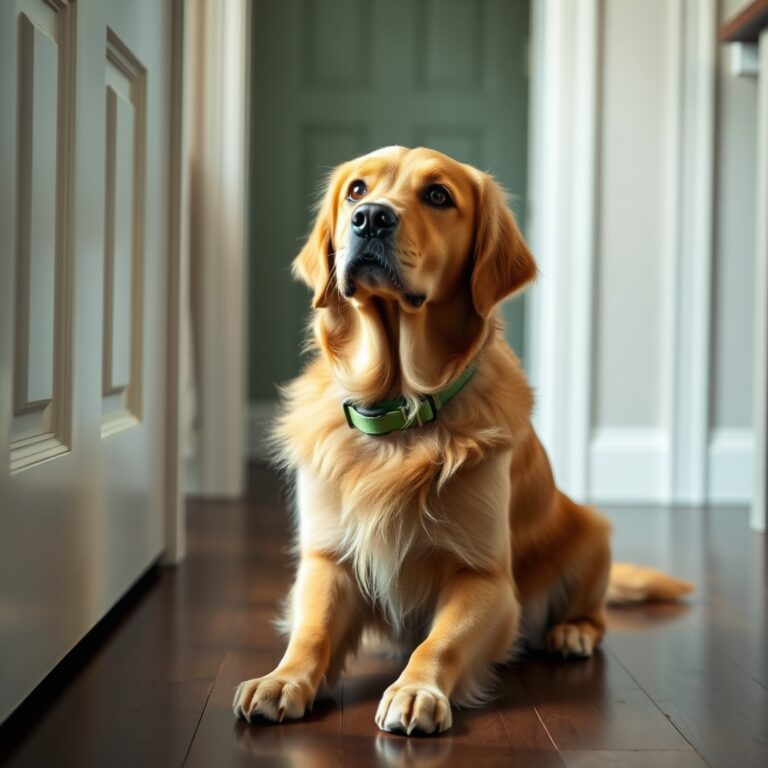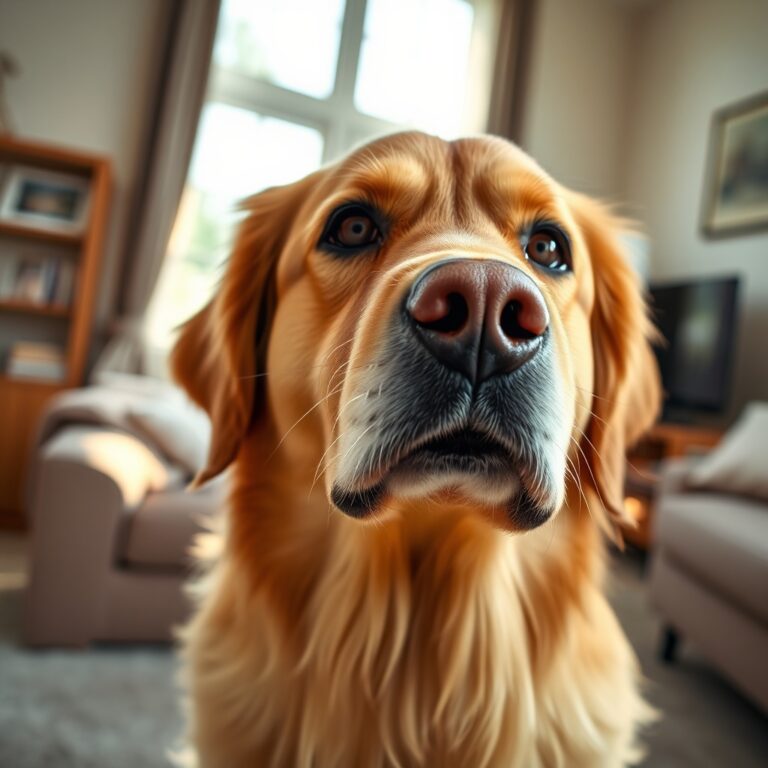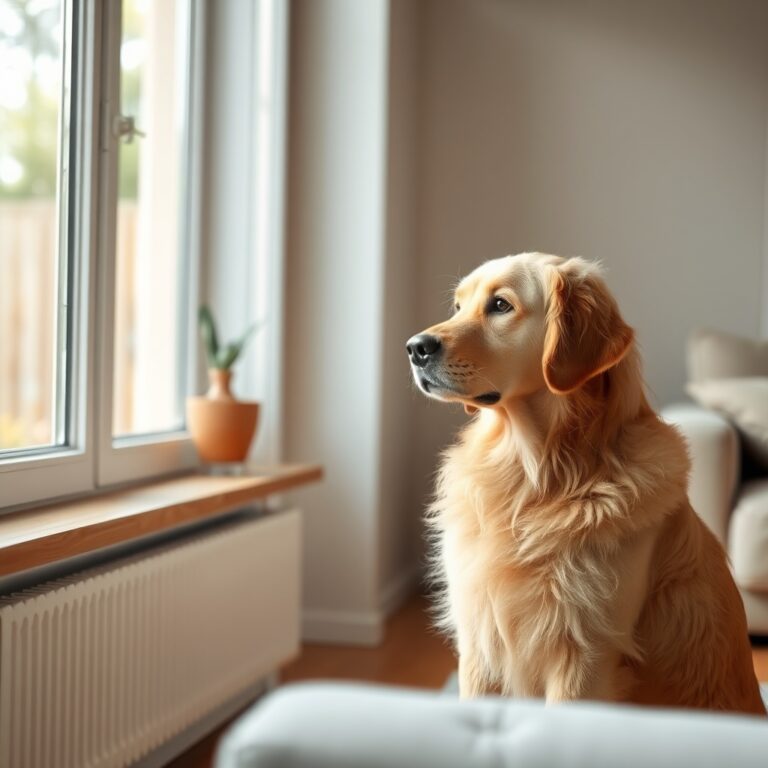

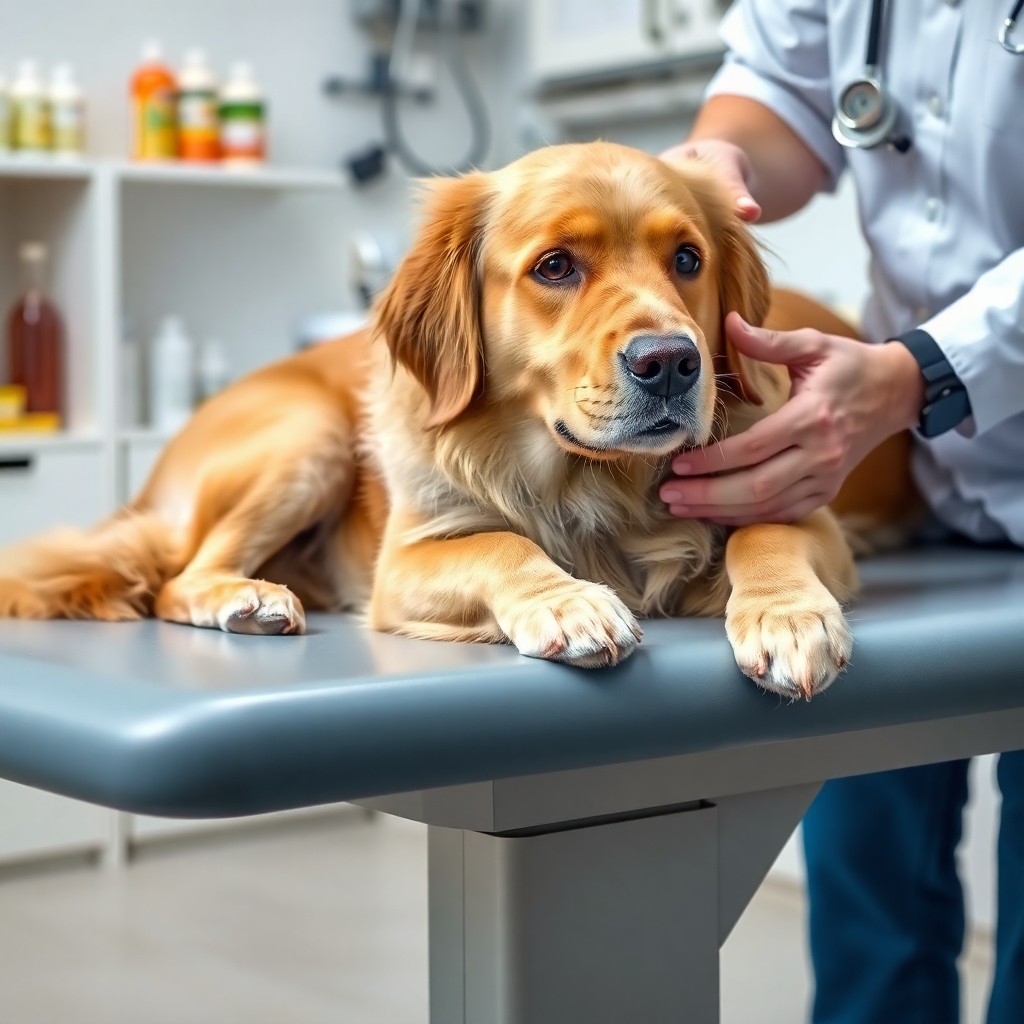
If your golden retriever suddenly seems content to spend the entire day sprawled on the rug instead of waiting by the door, it is hard not to feel a little uneasy. While a shift toward endless napping can simply point to a change in the weather or a recent spike in activity, it can also serve as the earliest, quietest sign that something beneath the surface requires a veterinarian’s attention.
While adult dogs naturally sleep 10 to 14 hours a day, a sudden, unexplained increase in sleep can indicate aging, environmental changes, or underlying health issues like infection, pain, or metabolic disorders. If the lethargy is accompanied by appetite changes, vomiting, or reluctance to move, a prompt veterinary examination is necessary.
Understanding Normal Canine Sleep Patterns
To determine if a dog’s sleep schedule is abnormal, owners must first establish what constitutes a healthy baseline. Canine sleep needs vary dramatically based on age, breed size, and activity levels. According to veterinary care guidelines (AAHA), healthy sleep is characterized by easy rousability; a sleeping dog should wake up quickly when stimulated by familiar sounds, such as a food bowl moving or a knock at the door.
| Life Stage / Category | Average Daily Sleep Duration | Behavioral Characteristics |
|---|---|---|
| Puppies (under 12 months) | 18 – 20 hours | Intense bursts of energy followed by sudden, deep sleep. |
| Healthy Adult Dogs | 10 – 14 hours | Flexible sleep schedules adapted to human household activity. |
| Large and Giant Breeds | 14 – 16 hours | Higher physiological demands require longer recovery periods. |
| Senior Dogs (varies by breed) | 16 – 18 hours | Gradual decline in active hours due to natural metabolic slowdown. |
Common Reasons for Increased Canine Sleep
An increase in sleep is often a physiological response to physical or environmental changes. Understanding these triggers helps owners evaluate whether a veterinary visit is immediately necessary.
1. Natural Aging and Senior Slowdown
As dogs enter their senior years, their metabolic rate drops, and physical exertion becomes more tiring. This gradual shift is a normal part of the aging process. For owners, this means senior dogs require longer periods of rest to recover from everyday activities like a walk around the block.
2. High Environmental Temperatures
During hot summer months, dogs naturally reduce their activity to prevent heat stress and maintain a stable internal temperature. Sleeping more during a heatwave is a healthy adaptation, provided the dog remains hydrated and resting in a cool, well-ventilated area.
3. Emotional and Environmental Stress
Dogs thrive on routine. Major life changes—such as moving to a new home, the loss of a companion, or the arrival of a new family member—can trigger stress or depression. Some dogs cope with emotional distress by retreating into sleep as a defense mechanism.
When Sleeping Too Much Indicates a Medical Issue
A sudden, pronounced shift from a dog’s normal activity baseline to excessive sleep (hypersomnia) is frequently a clinical sign of systemic illness. If a dog is difficult to wake or appears disoriented upon waking, several medical conditions must be investigated.
Systemic Infections
Viral and bacterial infections, such as parvovirus, distemper, or tick-borne diseases like Lyme disease, tax the immune system. The body redirects all available energy toward fighting the invading pathogen, resulting in profound lethargy. For owners, this means the dog will show a complete lack of interest in food, toys, or interaction.
Endocrine Disorders
Diseases affecting the hormonal system can severely impact energy levels. Hypothyroidism, a condition where the thyroid gland does not produce enough thyroid hormone, slows down the entire metabolic system. For owners, this means the dog will gain weight despite eating less, lose hair, and display a persistent lack of energy.
Chronic Pain and Osteoarthritis
Joint pain and degenerative joint diseases make movement uncomfortable. To avoid this discomfort, dogs choose to lie down and sleep rather than engage in active behavior (WSAVA). This is especially common in older dogs where owners mistake joint pain for ‘just getting old.’
Evaluating Your Dog: The At-Home Checklist
To help determine if your dog’s increased sleep requires medical attention, monitor them closely for these clinical indicators:
- Rousability: Does the dog wake up immediately when their leash is touched or when food is prepared? If they ignore these stimuli, clinical lethargy may be present.
- Appetite and Hydration: Is the dog skipping meals or refusing to drink water alongside their increased sleep?
- Physical Mobility: Does the dog limp, struggle to rise from a lying position, or hesitate to climb stairs?
- Cognitive Function: Does the dog stare blankly at walls, wander aimlessly, or appear disoriented when they wake up?
When to Seek Urgent Veterinary Care
Schedule an appointment with a veterinarian if the increased sleep persists for more than 48 hours without an obvious environmental cause. Seek immediate emergency veterinary care if the excessive sleep is accompanied by pale or blue gums, sudden collapse, persistent vomiting, diarrhea, or a body temperature above 103 degrees Fahrenheit.
References
- American Animal Hospital Association (AAHA) Senior Care Guidelines.
- World Small Animal Veterinary Association (WSAVA) Pain Management Guidelines.