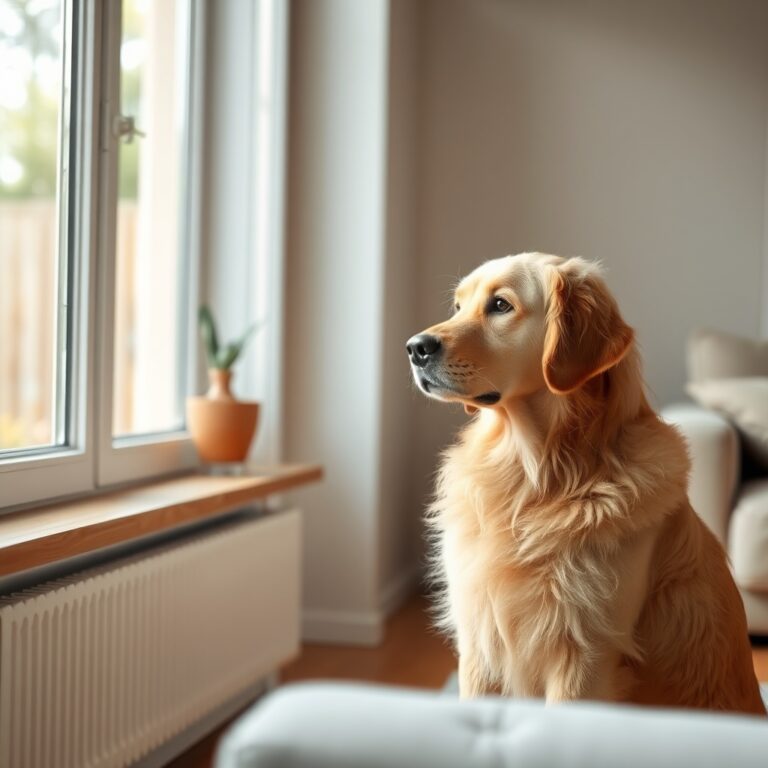


It is 2:00 AM, the house is completely dark, and a soft, persistent whine echoes from the living room. If you have ever rolled out of bed in the dark to check on your dog—only to realize they just want attention—you know how quickly nighttime vocalizations can test your patience. Figuring out why your dog is restless after dark is the first step to helping everyone get back to sleep.
Generally, you do not need to panic if a new puppy or recently adopted dog whines at night, as this is normal adjustment behavior. However, sudden nighttime whining in a previously quiet adult or senior dog can indicate underlying physical pain, canine cognitive dysfunction, or acute separation anxiety that warrants a veterinary consultation.
Deciphering the Whine: Why Dogs Vocalize at Night
To address the issue effectively, the behavior must be analyzed based on the dog’s life stage, history, and overall health profile. Dogs do not whine to be spiteful; they do so because it is a highly effective way to communicate a state of vulnerability, distress, or physical discomfort.
1. The Adjusting Puppy (Under 6 Months)
For a young puppy, nighttime whining is deeply rooted in survival instincts. Having recently been separated from their mother and littermates, a dark, quiet room represents isolation. Furthermore, puppies have limited bladder capacity. A general rule of thumb is that a puppy can hold their bladder for one hour per month of age, meaning nighttime bathroom breaks are a physical necessity rather than a behavioral issue.
2. The Attention-Seeking Adult
Adult dogs quickly learn cause-and-effect patterns. If whining in the past resulted in a pet, a treat, or being let out of the crate, the dog will use this tool whenever they feel bored or lonely. This is known as demand whining. It is characterized by brief pauses where the dog listens to see if their owner is reacting to the sound.
3. Physical Pain and Medical Discomfort
Sudden onset whining at night in an adult dog is a common indicator of physical distress. Conditions such as osteoarthritis flare-ups, gastrointestinal upset, urinary tract infections, or dental pain often worsen at night when there are fewer distractions to divert the dog’s attention from their discomfort.
4. Senior Cognitive Decline
In older dogs (typically ages 8 and up), nighttime pacing, panting, and whining can be a symptom of Canine Cognitive Dysfunction (CCD), which is similar to dementia in humans. These dogs often experience disrupted sleep-wake cycles, waking up disoriented, anxious, and confused in the dark.
When to Worry: Medical and Behavioral Indicators
While some whining is purely behavioral, certain accompanying signs require immediate veterinary attention. Owners must observe the dog’s daytime behavior to put the nighttime whining into context.
| Primary Cause | Key Visual & Behavioral Indicators | Urgency Level | Recommended Action |
|---|---|---|---|
| Puppy Isolation / Bladder Capacity | High-pitched yipping, scratching at crate door, settles immediately after a quiet bathroom trip. | Low (Normal development) | Establish a strict, boring bathroom routine; use positive crate training. |
| Attention Seeking | Intermittent whining, listening for footsteps, stops when ignored, highly active during the day. | Low (Behavioral) | Implement consistent ignoring protocols; increase daytime mental enrichment. |
| Physical Pain / Disease | Panting, limping, restlessness, reluctance to lie down, licking a specific joint, sudden changes in appetite. | High (Medical) | Schedule a veterinary exam to check for arthritis, internal pain, or metabolic issues. |
| Canine Cognitive Dysfunction (CCD) | Staring into corners, pacing, getting stuck behind furniture, daytime sleeping with nighttime restlessness. | Moderate to High | Consult a vet regarding senior cognitive support, dietary changes, and specialized supplements. |
Step-by-Step Action Plan to Resolve Nighttime Whining
If medical causes have been ruled out by a professional, follow this structured behavioral training plan to teach your dog that nighttime is exclusively for sleeping.
Step 1: Rule Out the Need for a Bathroom Break
If you suspect your dog actually needs to relieve themselves, keep the interaction entirely clinical. Do not speak to your dog in an excited voice, do not turn on bright lights, and do not offer playtime. Keep them on a short leash, walk them to their designated bathroom spot, give them two minutes to perform, praise them quietly if they succeed, and place them right back into their sleeping area. This teaches them that crying at night only results in a boring toilet break, not a midnight social hour.
Step 2: Optimize the Sleeping Environment
Ensure your dog’s sleeping area is physically comfortable. Drafts, excessive heat, or an uncomfortable orthopedic bed can cause restlessness. For puppies and anxious dogs, placing a piece of worn clothing containing your scent near their bed can provide immense comfort. Consider using a white noise machine or a calming pheromone diffuser in the room to mask startling outdoor sounds.
Step 3: Increase Daytime Stimulation
A tired dog is a quiet dog. Ensure your dog receives adequate physical exercise and, more importantly, mental enrichment during the day. Puzzle feeders, sniffing walks, and short training sessions drain your dog’s energy reserves far more effectively than physical running alone, making them much more likely to sleep deeply through the night.
Step 4: Practice the ‘Ignore’ Method for Demand Whining
If you have verified that your dog is healthy, warm, and has an empty bladder, any further whining must be completely ignored. Even looking at your dog, telling them to ‘shush,’ or sighing loudly counts as attention in their eyes. Prepare for an ‘extinction burst’—a temporary, dramatic increase in the intensity and duration of the whining right before the dog finally gives up the behavior. Consistency during this phase is vital.
Common Night Whining Mistakes to Avoid
- Do not punish your dog: Yelling, banging on the crate, or using physical corrections will only increase your dog’s anxiety and fear, making the whining worse in the long run.
- Do not give in sporadically: Letting your dog out of the crate after forty-five minutes of whining teaches them that persistence works. They will simply whine longer next time.
- Do not skip the vet visit: Assuming sudden, frantic nighttime whining in an older dog is just ‘bad behavior’ can leave them suffering in silence from undiagnosed arthritis or medical distress.
Frequently Asked Questions
How long should I let a puppy whine at night before intervening?
Allow a puppy to fuss for 10 to 15 minutes to see if they self-soothe. If the crying escalates or continues past this window, take them out on a boring, quiet leash walk to use the bathroom. If they do not go, immediately return them to their crate without play or extra attention.
Can sudden nighttime whining mean my dog is in pain?
Yes. If your previously quiet adult dog suddenly starts whining at night, especially if accompanied by pacing, panting, or difficulty finding a comfortable sleeping position, physical pain is a highly probable cause. This warrants a prompt evaluation by your veterinarian.
Should I move my dog’s crate into my bedroom?
For young puppies and dogs suffering from mild separation anxiety, moving the crate or bed into your bedroom can help them feel safe. Once they are sleeping reliably through the night, you can gradually move the crate further away if you prefer them to sleep in another room.