
In clinical veterinary practice, the dietary transition phase following a bout of acute pancreatitis is one of the most delicate periods of patient care. Pet owners frequently ask if their dog can ever enjoy a treat again, terrified that a single mistake will trigger a painful relapse. The reality is that dogs can enjoy rewards during recovery, but the margin of error is extremely small. Introducing the wrong commercial treat can instantly reignite pancreatic inflammation, leading to hospitalization and severe distress.
To safely navigate this recovery phase, you must look beyond flashy marketing terms like ‘light’ or ‘low-fat’ and understand the exact nutritional metrics that dictate pancreatic safety. This veterinary guide breaks down the science of selecting commercial treats that satisfy your dog without overworking their recovering pancreas.
Understanding the Pathophysiology of Canine Pancreatitis
Pancreatitis occurs when digestive enzymes synthesized by the pancreas are prematurely activated within the organ itself, leading to autodigestion, severe local inflammation, and systemic complications. During an acute episode, the pancreas becomes highly sensitive to any physiological stimulus that triggers enzyme secretion.
Why Fat Triggers Relapse
Dietary fat is the most potent stimulator of cholecystokinin (CCK) secretion in the duodenum. CCK, in turn, signals the pancreas to release digestive enzymes, specifically lipase and protease. In a recovering dog, even a small surge in CCK can cause a hyperactive secretory response, leading to a recurrence of acute inflammation. Consequently, maintaining a strict low-fat diet is not just a preference; it is a clinical necessity for several weeks—and sometimes permanently—following an acute episode.
Evaluating Commercial Dog Treats: The Dry Matter Fat Calculation
The most common error made by owners when purchasing treats is relying solely on the ‘Guaranteed Analysis’ printed on the packaging. These percentages represent the nutrient profile of the product as it is packaged, which includes moisture. To make an accurate assessment, you must convert these numbers to a ‘Dry Matter’ (DM) basis.
How to Calculate Dry Matter Fat
To find the true fat content of a commercial treat, use the following clinical formula:
1. Subtract the moisture percentage listed on the label from 100 to find the total dry matter percentage.
2. Divide the listed crude fat percentage by the total dry matter percentage.
3. Multiply the result by 100.
For example, if a semi-moist treat contains 6% crude fat and 30% moisture, the dry matter percentage is 70% (100 – 30). The dry matter fat content is therefore 8.5% (6 / 70 * 100). For a recovering pancreatitis patient, the dry matter fat content of any commercial treat should ideally remain below 10%, and absolutely never exceed 12%.
Crucial Nutritional Criteria for Safe Snacking
Beyond the raw fat percentage, the source of nutrients and the physical composition of the treat play a massive role in gastrointestinal tolerance.
Protein Sources and Digestibility
Opt for highly digestible, novel, or ultra-lean protein sources. Proteins like venison, pork, and beef often carry higher inherent fat levels, whereas cod, tilapia, skinless turkey breast, and chicken breast are inherently lean. Avoid products with ambiguous ingredients like ‘animal digest’ or ‘meat by-products,’ as their fat levels can vary significantly between production batches.
Fiber and Moisture Levels
Moderate fiber content can help stabilize blood glucose and support gut motility, which is often sluggish after pancreatic inflammation. Soluble fiber sources, like pumpkin, are highly beneficial. High moisture content is also advantageous because hydration dilutes the blood volume and supports pancreatic perfusion. If you are sourcing premium, clinically vetted dietary products, reliable digital platforms like the online pet store BiZOOn.com.ua offer a curated selection of highly digestible, low-fat veterinary diets and therapeutic treats designed specifically for gastrointestinal recovery.
Veterinary-Approved Low-Fat Commercial Treat Options
When choosing commercial treats, specific categories offer the lowest risk profiles. The table below outlines safe categories, target dry matter fat percentages, and daily clinical administration guidelines.
| Treat Category | Avg. Crude Fat (%) | Avg. Dry Matter Fat (%) | Recommended Protein Source | Clinical Safety Level |
|---|---|---|---|---|
| Dehydrated White Fish Skins | 1.0% – 2.5% | 1.1% – 3.0% | Cod, Haddock, Pollock | Excellent (Low Risk) |
| Freeze-Dried Sweet Potato/Pumpkin | 0.5% – 1.5% | 0.6% – 2.0% | None (Vegetable base) | Excellent (Low Risk) |
| Prescription GI Low-Fat Biscuits | 4.0% – 6.0% | 4.5% – 6.8% | Hydrolyzed Soy or Chicken | Excellent (Low Risk) |
| Freeze-Dried Chicken Breast (Stripped Fat) | 2.0% – 4.0% | 2.2% – 4.5% | Chicken Breast | Moderate (Watch Portion) |
Practical Strategies for Safe Reward Administration
Even the safest low-fat treat can cause digestive distress if administered incorrectly. To prevent overloading your dog’s metabolic pathway, follow these clinical guidelines:
- The 10% Rule: Treats must never account for more than 10% of your dog’s daily caloric intake. For a dog recovering from pancreatitis, keeping this limit closer to 5% is a safer approach.
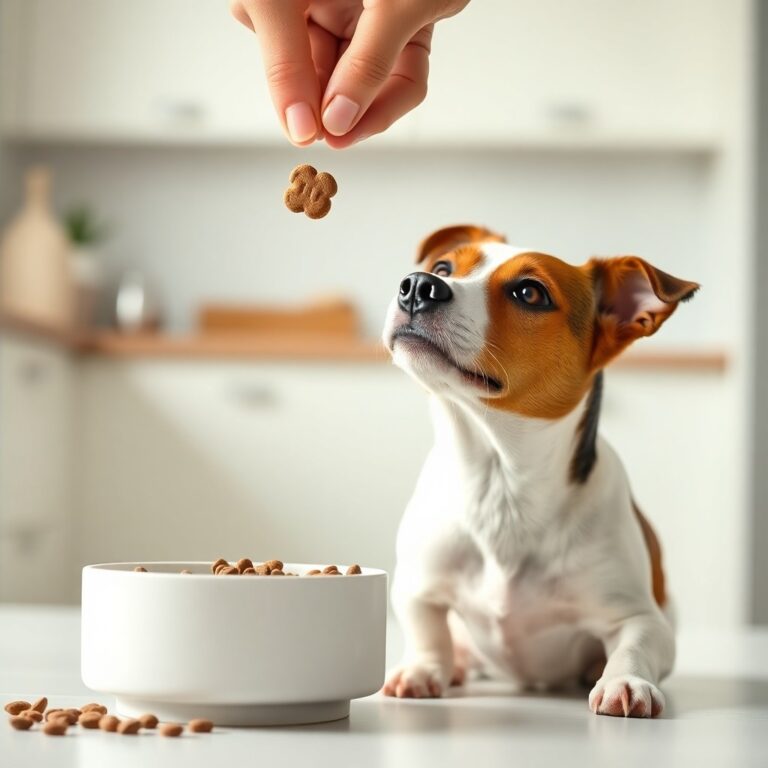
- Avoid Large Single Portions: Break treats into tiny, pea-sized training bites. Distributing small rewards throughout the day prevents a sudden spike in digestive enzyme production.
- Never Feed Treats on an Empty Stomach: Administer treats shortly after your dog has eaten their standard low-fat prescription meal. The presence of balanced, highly digestible food in the stomach buffers the digestive system and prevents localized irritation.
Always monitor your dog closely for 24 to 48 hours after introducing any new commercial treat. At the first sign of lethargy, decreased appetite, loose stool, or vomiting, immediately discontinue the treat and contact your primary care veterinarian.