
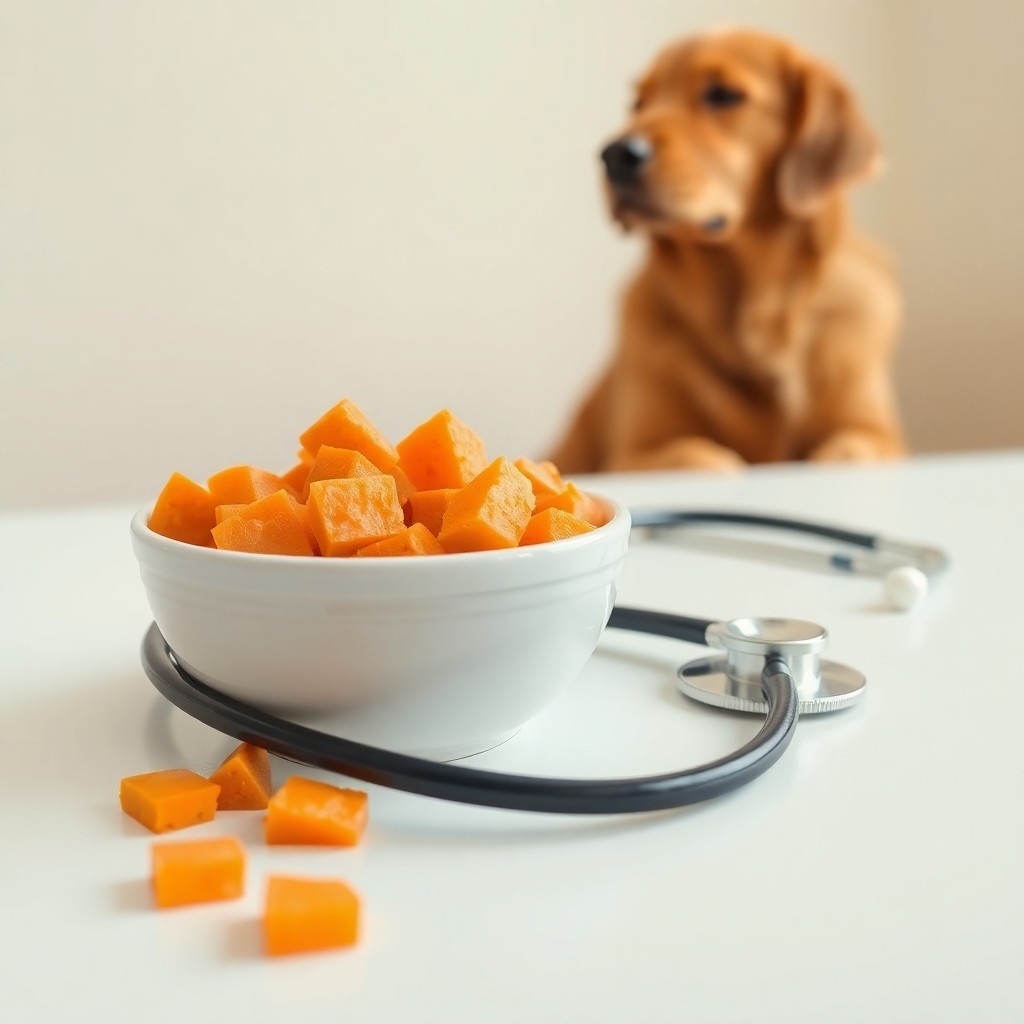
Tossing a few cubes of roasted sweet potato into your dog’s bowl can be a fantastic nutritional win, but the journey from garden to table requires a bit of know-how. While these vibrant tubers pack a serious punch of vitamins and fiber, serving them up raw or leaving the tough skins on is a fast track to an upset stomach and an unexpected trip to the vet.
Yes, dogs can eat sweet potatoes, but they must be thoroughly cooked (boiled, steamed, or baked) and served without any skins, added oils, salt, butter, or spices. Raw sweet potatoes are highly indigestible and present a severe choking hazard and intestinal blockage risk for dogs.
Nutritional Benefits of Sweet Potatoes for Dogs
Sweet potatoes are a nutrient-dense root vegetable rich in dietary fiber, vitamins, and minerals. When integrated correctly into a balanced diet, they support several vital physiological functions in dogs. They are particularly known for their high concentration of beta-carotene, an antioxidant that converts into Vitamin A, supporting eye health, skin integrity, and immune function.
Additionally, they contain Vitamin B6, which plays a crucial role in amino acid metabolism and red blood cell production, and Vitamin C, which provides antioxidant support. The high fiber content aids in regulating bowel movements, making it a common ingredient in premium dog foods formulated for digestive health.
To understand the nutritional profile of this root vegetable, review the standard dietary values below:
| Nutrient (per 100g, cooked, plain) | Average Value | Primary Canine Benefit |
|---|---|---|
| Dietary Fiber | 3.0 g | Supports healthy digestion and firm stool formation. |
| Beta-Carotene (Vitamin A) | 11,062 mcg | Promotes optimal vision, immune health, and skin repair. |
| Vitamin B6 | 0.2 mg | Supports nervous system health and enzyme function. |
| Potassium | 475 mg | Regulates fluid balance, nerve signals, and muscle contractions. |
The Hidden Dangers: Why Raw Sweet Potatoes Are Dangerous
While cooked sweet potato is highly digestible, raw sweet potato is entirely unsuitable for canine consumption. Raw sweet potatoes are incredibly dense and fibrous, making them extremely difficult for a dog to chew and digest properly. If a dog swallows a chunk of raw sweet potato, it can easily lodge in the esophagus, stomach, or intestinal tract, creating a life-threatening gastrointestinal obstruction.
Furthermore, raw sweet potatoes contain solanine, a natural defense compound that can be toxic in high doses. Solanine levels decrease significantly during the cooking process. For owners, this means raw pieces must be kept strictly out of reach, especially when prepping in the kitchen.
Sweet potato skins are another major concern. The outer skin of the sweet potato is incredibly tough and highly fibrous. Even when cooked, the skins remain difficult for a dog’s digestive system to break down, leading to loose stools, vomiting, or mechanical irritation of the intestinal lining.
How to Safely Prepare Sweet Potatoes for Your Dog
To avoid digestive upset or toxic exposure, sweet potatoes must be cooked thoroughly. Follow these safety rules during preparation:
- Peel completely: Always remove all skin from the sweet potato before cooking.
- No seasonings: Do not use salt, pepper, garlic powder, onion powder, butter, or cooking oils. Garlic and onions are highly toxic to dogs and can cause hemolytic anemia.
- Cook thoroughly: Steam, boil, or bake the sweet potato until it is completely soft. You should be able to mash it easily with a fork.
- Serve in moderation: Cut the cooked sweet potato into small, bite-sized cubes, or mash it to mix into your dog’s regular food.
Feeding Guidelines and Portion Control
Veterinary nutritional guidelines recommend that treats and supplemental foods make up no more than 10% of a dog’s daily caloric intake (AAHA). Because sweet potatoes are high in carbohydrates and natural sugars, excessive consumption can lead to rapid weight gain, obesity, and systemic inflammation.
For owners, this means sweet potatoes should be treated as an occasional food topper or training reward, rather than a main meal replacement. Small dogs should receive no more than a teaspoon or two of mashed sweet potato per serving, while larger dogs can safely consume a tablespoon or two, provided they do not have underlying metabolic conditions like diabetes.
Due to the sugar content, sweet potatoes can cause rapid blood glucose spikes. If a dog suffers from diabetes, pancreatitis, or is prone to obesity, sweet potatoes should be omitted from their diet in favor of low-glycemic, fiber-rich alternatives like green beans.
The Link Between Sweet Potatoes and Canine Heart Disease (DCM)
In recent years, the U.S. Food and Drug Administration (FDA) has investigated a potential link between grain-free diets—which often rely heavily on sweet potatoes, potatoes, peas, and lentils as primary carbohydrate sources—and the development of Canine Dilated Cardiomyopathy (DCM). DCM is a serious heart condition that results in a weakened, enlarged heart muscle.
While the exact causative mechanism is still under investigation, veterinary cardiologists advise caution when feeding diets where sweet potatoes or legumes sit near the top of the ingredient list. Feeding plain, home-cooked sweet potato as an occasional treat is considered highly safe, but relying on a commercially processed grain-free diet with sweet potato as a primary ingredient warrants a detailed discussion with your veterinarian.
Frequently Asked Questions
Can dogs eat sweet potato skins?
No, dogs should never eat sweet potato skins. The skins are extremely fibrous and difficult to digest, which can cause vomiting, diarrhea, or a physical blockage in the digestive tract.
Can dogs with diabetes eat sweet potatoes?
Sweet potatoes should generally be avoided or highly restricted for diabetic dogs. They have a high glycemic index, which can cause undesirable fluctuations in blood glucose levels.
Are sweet potatoes better than regular white potatoes for dogs?
Yes, sweet potatoes are generally a healthier option than white potatoes. They contain more vitamins, a lower glycemic index, and higher fiber content, making them a superior whole-food treat when properly cooked.
References
- American Animal Hospital Association (AAHA) Nutritional Assessment Guidelines for Dogs and Cats.
- World Small Animal Veterinary Association (WSAVA) Global Nutrition Committee Guidelines.
- U.S. Food and Drug Administration (FDA) Investigation into Grain-Free Diets and Canine Dilated Cardiomyopathy.