
When a high-drive pointer or hound cuts through dense brush, they can easily cover a mile in under three minutes, putting standard pet technology to the ultimate test. Outfitting these fast-moving dogs with an LTE GPS collar isn’t simply a matter of tracking a lost pet; it requires matching rugged communication hardware against the brutal physical impacts and rapid acceleration of a working hunting breed.
What makes an LTE GPS collar suitable for hunting breeds? An effective tracker must combine low-latency LTE-M or NB-IoT cellular networks with a multi-constellation GNSS receiver capable of sub-10-second real-time updates, housed in an IP68-rated housing that secures directly to a heavy-duty collar to prevent snagging.
The Escape-Artist Profile: Why Hunting Breeds Break Standard Systems
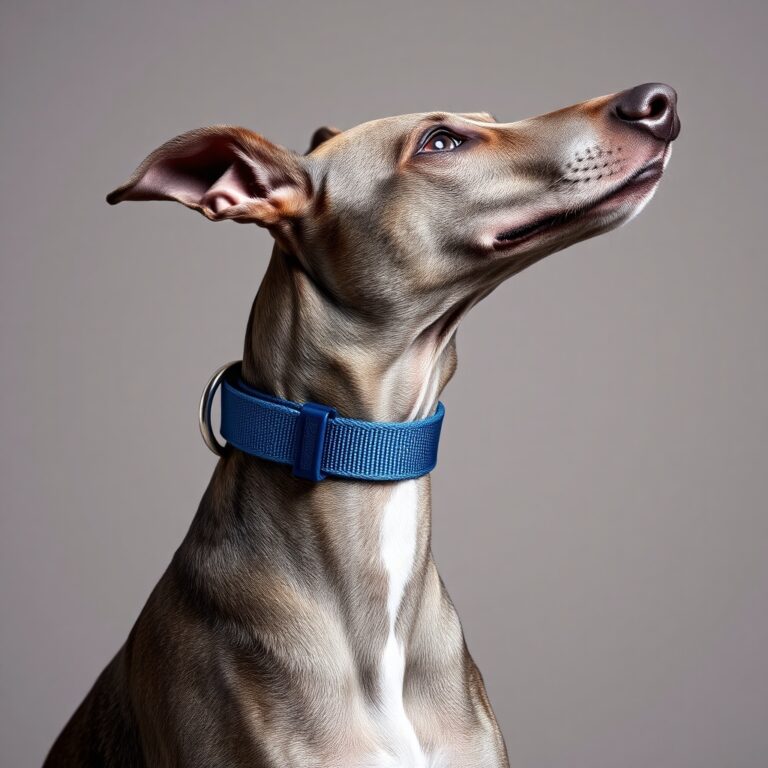
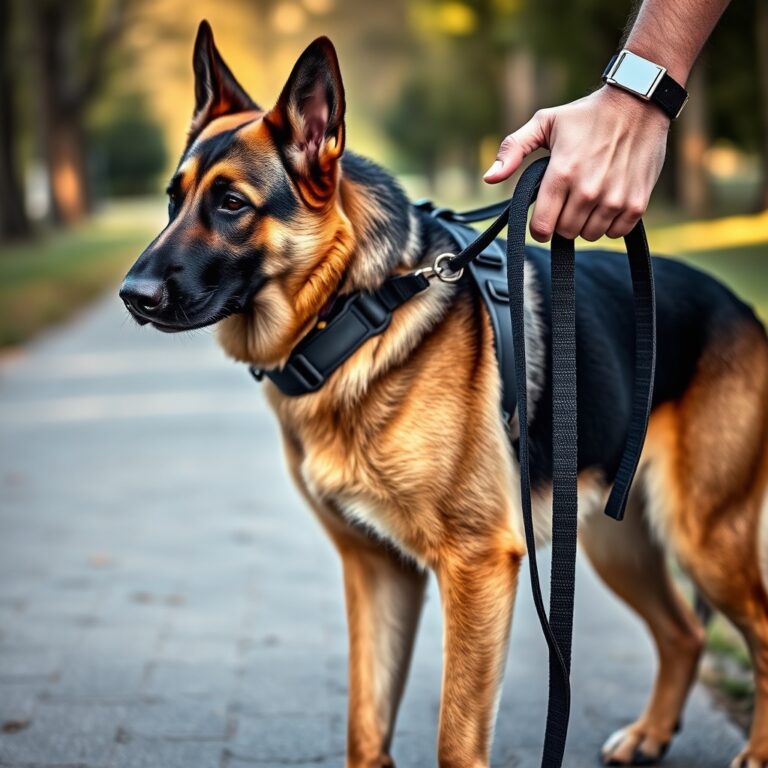
Hunting dogs possess biological and behavioral traits that bypass standard consumer-grade pet trackers. Breeds like the Coonhound, German Shorthaired Pointer, Beagle, and Jack Russell Terrier are driven by deep-seated predatory motor patterns. When a scent trail or prey animal is detected, these dogs experience sensory lock-on, ignoring recall commands and physical barriers alike.
- Velocity and Range: A galloping Pointer can easily reach speeds of 30 to 35 miles per hour. Within five minutes of escape, the dog can be miles away from its home base, rendering short-range Bluetooth or localized Wi-Fi tracking useless.
- Terrain Penetration: Hunting breeds instinctively seek out thick underbrush, briars, wetlands, and rocky crevices. These environments act as physical and electromagnetic barriers, dampening weaker radio signals and stripping poorly mounted trackers clean off the collar.
- Underground/Sub-canopy Off-grid Behavior: Earth dogs and terriers often enter burrows or drainage pipes, while hounds track under dense forest canopies. This demands highly sensitive GPS/GNSS chips that can maintain lock without direct sky visibility.
The Cellular Backbone: LTE-M vs. NB-IoT vs. Traditional LTE
To understand real-time tracking, owners must understand the cellular bands these devices use. Traditional LTE (used by smartphones) consumes far too much power and requires bulky batteries. Instead, modern high-end pet collars leverage Low-Power Wide-Area Networks (LPWAN):
LTE-M (eMTC)
LTE-M is specifically optimized for devices on the move. It supports handover between cellular towers without dropping the connection, making it the gold standard for tracking a running dog. It features higher bandwidth than NB-IoT, allowing for rapid transmission of high-frequency location pings (every 2 to 5 seconds) during an active escape. For owners, this means real-time, fluid updates of their dog’s path on a map interface.
NB-IoT (Narrowband IoT)
NB-IoT excels in stationary or slow-moving indoor tracking applications. It offers excellent signal penetration through concrete and deep foliage due to its narrow bandwidth. However, because it does not support seamless tower handovers, a fast-moving dog can outrun the network’s ability to maintain a continuous data stream. Collars using purely NB-IoT may suffer from delayed location pings when the dog is at full gallop.
Hardware Evaluation: Multi-Constellation GNSS and Refresh Rates
The term ‘GPS’ is often used as a catch-all, but high-performance tracking relies on multi-constellation GNSS (Global Navigation Satellite Systems). A premium escape-artist collar should process signals from multiple satellite networks simultaneously:
- GPS (USA) + GLONASS (Russia) + Galileo (Europe): Dual or triple-system tracking ensures that even if half the sky is blocked by a canyon wall or dense pine canopy, the collar can still see enough satellites to calculate a precise coordinate.
- Assisted GPS (A-GPS): By downloading satellite orbital data via the cellular network upon startup, the collar can acquire a location lock (Time-to-First-Fix, or TTFF) in under two seconds, compared to the minutes required by cold-starting standalone GPS.
The refresh interval is the ultimate variable in recoverability. Under standard tracking modes, smart collars ping every 10 to 30 minutes to preserve battery life. However, once the dog enters ‘Lost Dog Mode,’ the refresh rate must scale dynamically. A refresh rate of every 2 to 10 seconds is vital. Anything slower than a 10-second interval will show you where your dog was, not where they are, resulting in a lagging chase.
Technical Comparison Matrix: Tracker Specifications
The following table outlines the technical specifications required to successfully track high-drive hunting breeds compared to standard pet trackers:
| Feature Specification | Standard Pet Tracker (Typical) | Hunting Breed/Escape-Artist Spec |
|---|---|---|
| Network Protocol | Standard LTE or 3G legacy / NB-IoT only | LTE-M (eMTC) with multi-carrier roaming fallback |
| Satellite Systems | GPS only | GPS + GLONASS + Galileo with A-GPS support |
| Real-Time Update Interval | 30 to 60 seconds (variable latency) | 2 to 10 seconds (highly responsive dynamic mode) |
| Ingress Protection (IP) | IP67 (temporary water immersion) | IP68 or IPX9K (high-pressure washdown/continuous immersion) |
| Housing Attachment | Silicone bands or plastic clips | Integrated collar pass-through or riveted baseplates |
| Battery in High-Frequency Mode | 6 to 12 hours | 24 to 72 hours via dynamic power management |
Mounting and Structural Durability: Eliminating the Snag Risk
Even the most advanced electronic tracking system is useless if it is torn off the dog during a chase. Hunting dogs push through thick brambles, briars, and low branches. Traditional ‘hanging pod’ trackers or flimsy silicone clip-on mounts will catch on branches and snap.
Integrated Pass-Through Design
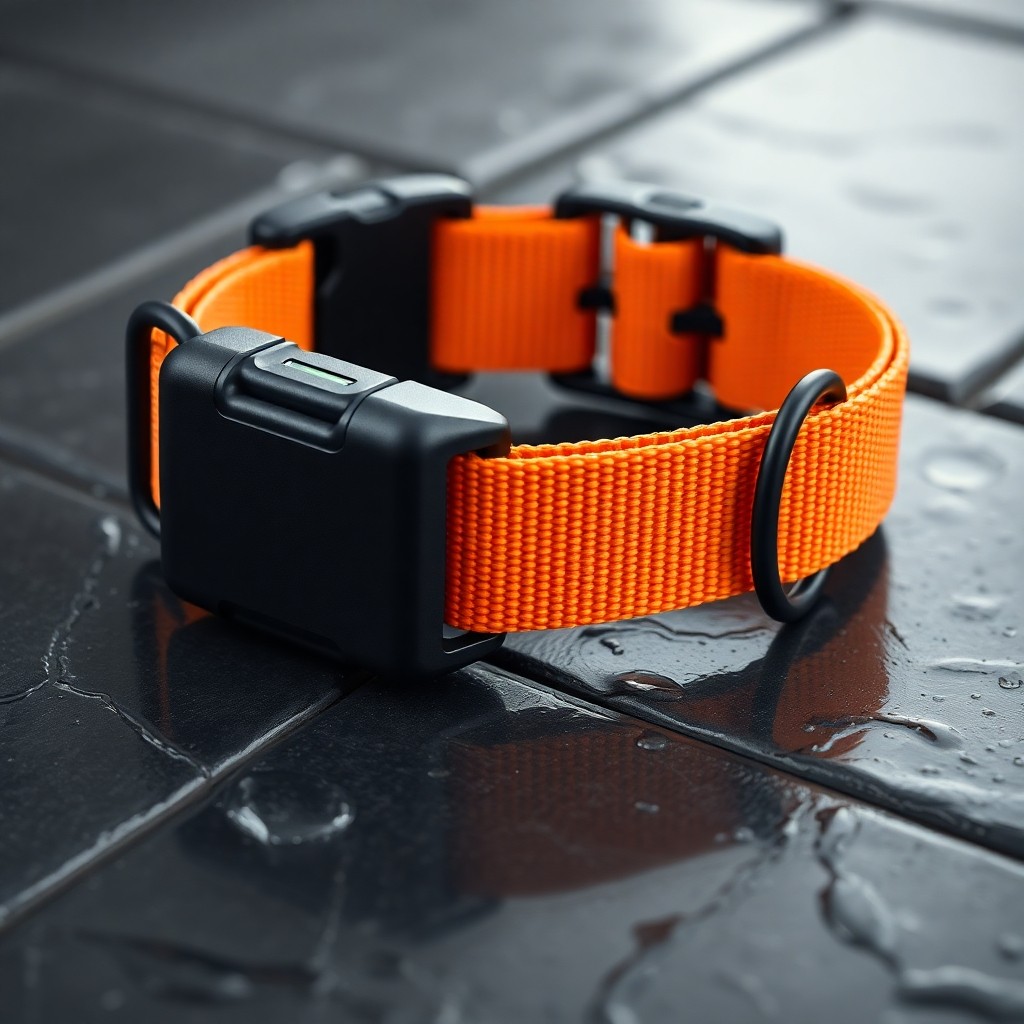
The tracking unit must be integrated directly into the collar band itself. Look for designs where the collar strap (preferably made of heavy-duty, odor-proof polyurethane-coated nylon webbing, often called Biothane) slides directly through the chassis of the tracker. This ensures the device sits flush against the dog’s neck, eliminating any loops or gaps that could catch on limbs.
IP68 and IPX9K Waterproofing
Hunting dogs do not bypass water. Whether it is a swamp, a fast-flowing creek, or deep mud, the tracker must maintain complete hermetic sealing. An IP68 rating guarantees protection against continuous immersion under pressure, while IPX9K ensures the device can withstand high-pressure, close-range water sprays—essential when spraying down a mud-caked dog and collar after a run.
Geofencing Latency and Escape Prevention
A crucial software element for escape artists is the Virtual Fence or Geofence. Most consumer systems rely on Wi-Fi zones or simple circular GPS fences. For hunting breeds, real-time geofencing latency is a life-or-death metric.
If the system only checks the dog’s location every 15 minutes, a fast-moving Pointer can cross a half-mile geofence and reach a busy highway long before the owner receives a push notification on their phone. Look for systems that utilize cellular-assisted geofencing with low-power background polling. When the device loses connection to the home Wi-Fi base station, it should instantly wake up the GPS module to monitor location changes with high frequency until the dog is confirmed safe or outside the boundary.
Frequently Asked Questions
Why does my dog’s GPS collar lose signal in dense forests?
Dense wet foliage absorbs high-frequency satellite signals, a phenomenon known as canopy attenuation. While pure GPS systems may struggle, devices utilizing multi-constellation GNSS (which lock onto GLONASS and Galileo satellites simultaneously) can read signals from more angles, reducing the chance of total signal loss under heavy forest canopies.
Can I use an LTE tracker in rural hunting areas without cellular service?
If there is zero cellular coverage from any carrier, an LTE-M tracker will collect GPS coordinates but will be unable to transmit them to your phone. In completely off-grid wilderness areas, hunters must use traditional VHF (Very High Frequency) radio-tracking systems, which transmit location directly from collar to a handheld receiver without relying on cell towers.
How does temperature affect battery life on an LTE-M collar?
Lithium-ion batteries suffer degraded chemical performance in sub-freezing temperatures. Cold winter weather, combined with the high power draw of continuous real-time GPS pings, can reduce battery life by up to 50%. Always start cold-weather tracking sessions with a 100% charge and utilize energy-saving geofence zones when the dog is resting.