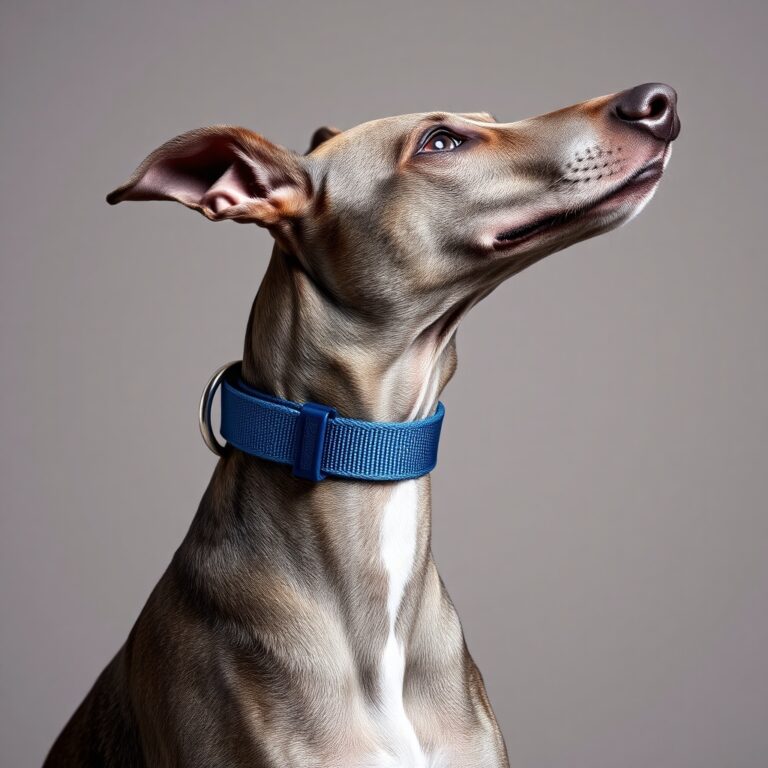


When the summer temperature climbs, watching your dog pant heavily on the living room floor can make you desperate for a quick fix. Cooling mats promise instant relief with zero electricity or refrigeration, but it is hard not to look at a simple pad and wonder if it is actually keeping your pet safe or just acting as an expensive place to nap.
Yes, high-quality pressure-activated gel cooling mats do work by absorbing heat from your dog’s body and dissipating it back into the air. However, their effectiveness depends heavily on the ambient room temperature, the specific technology used, and whether your dog is a destructive chewer.
How Dog Cooling Mats Work: The Science of Heat Transfer
Dogs do not sweat through their skin the way humans do. They rely primarily on panting and vasodilation (expanding blood vessels in the ears and face) to release excess body heat. They also rely on a process called conduction, which is the direct transfer of heat from one surface to another through physical contact. This is why you often see dogs seeking out cold tile floors or digging up cool dirt on a hot day.
Cooling mats leverage this natural conductive behavior. When your dog lies on the mat, the mat’s surface absorbs the heat from the dog’s body. The rate at which this heat is absorbed depends entirely on the material inside the mat. While some mats rely on simple water or ice, the most popular and efficient models use a specialized, non-toxic, pressure-activated thermal gel that absorbs heat until it reaches equilibrium with the dog’s temperature, cooling down the animal’s core temperature in the process.
The 3 Main Types of Dog Cooling Mats Compared
Not all cooling mats are constructed the same way. To choose the right product for your household, it is essential to understand how the three primary types of mats compare in terms of cooling power, durability, and practicality.
| Mat Type | Cooling Mechanism | Best For | Key Limitation |
|---|---|---|---|
| Pressure-Activated Gel | Specialized thermal gel absorbs body heat upon contact without electricity or freezing. | Everyday indoor use, travel, and instant cooling. | Can recharge slowly in highly humid or extremely hot rooms. |
| Water-Filled | Water inside the mat acts as a heat sink to disperse warmth. | Budget-conscious owners and indoor use. | Can feel heavy, prone to leaks, and requires refilling. |
| Ice-Pack / Freezer Mats | Removable gel packs that must be frozen before use. | Extreme heat relief and short-term outdoor use. | Can cause condensation, stays cold for a shorter period, and can be too cold if applied directly. |
Pros and Cons of Pressure-Activated Gel Mats
Because pressure-activated gel mats are the most popular and widely available option, it helps to understand their specific advantages and drawbacks before investing in one.
Pros:
- No preparation required: They do not require refrigeration, water, or electricity to work. They are ready to use whenever your dog lies down.
- Portability: Most gel mats are lightweight and can be easily folded, making them excellent for road trips, crates, and outdoor patios.
- Automatic recharge: Once your dog steps off the mat, it automatically recharges and cools back down within 15 to 20 minutes of non-use.
Cons:
- Ambient temperature dependency: If the room temperature is exceptionally high (above 90 degrees Fahrenheit), the mat cannot disperse heat effectively and will lose its cooling efficiency.
- Vulnerability to chewing: While the gel is typically formulated to be non-toxic, a dog that aggressively chews or digs at the mat can puncture the outer nylon cover.
Key Safety Risks and How to Prevent Them
While cooling mats are highly beneficial, owners must exercise caution to ensure their dogs use them safely. The primary concern is gel ingestion. Even if a product is labeled as ‘non-toxic,’ consuming large amounts of chemical gel can cause gastrointestinal blockage, vomiting, or diarrhea. If your dog is an aggressive chewer or is currently going through a destructive puppy phase, avoid gel-filled mats entirely and opt for elevated mesh cooling beds instead.
Another common mistake is placing a cooling mat in direct sunlight. Because these mats are designed to absorb heat, leaving them under direct sunlight can cause the interior gel to bake, rendering the mat warm and ineffective. Always position the mat in a shaded, well-ventilated area to maximize its thermal performance.
Tips to Get Your Dog to Use a Cooling Mat
Some dogs are naturally curious and will lie on a new mat immediately, while others may treat it with suspicion or ignore it entirely. To encourage your dog to use their new cooling mat, try these simple strategies:
- Place it in their favorite spot: Put the mat over the exact spot on the floor where your dog already likes to sleep or rest.
- Use positive reinforcement: Toss a few of your dog’s favorite low-calorie treats onto the mat to encourage them to step onto it. Praise them when they lay down on the cool surface.
- Avoid forcing them: Never physically force or drag your dog onto the mat. This can create a negative association and make them avoid the mat permanently.
Frequently Asked Questions
Are cooling mats safe if a dog chews them?
Most modern cooling mats use non-toxic, veterinary-safe gel. However, if a dog punctures the mat and eats the gel, it can still cause physical blockages or digestive upset. Always supervise dogs that have a tendency to chew their bedding.
How long do pressure-activated mats stay cold?
A high-quality gel mat typically provides active cooling for up to 3 to 4 hours of continuous use. Once the dog leaves the mat, it requires about 15 to 20 minutes of inactivity to fully recharge and return to its baseline cool temperature.
Can you put a gel cooling mat in the freezer?
You should not put a standard pressure-activated gel mat in the freezer unless the manufacturer’s instructions explicitly say so. Freezing can cause the internal gel to crystallize, lose its flexible texture, and permanently damage the outer protective lining.