
Strolling through the neighborhood with a dog should feel like a shared adventure, but it often turns into a frustrating tug-of-war. Too short, and every step feels like pulling dead weight; too long, and your dog is tangled around a fire hydrant before you can react. Striking the right balance with your leash length changes everything, turning chaotic daily walks into relaxed, stress-free time together.
For the vast majority of daily neighborhood walks, the best leash length is 6 feet (1.8 meters). This standard length provides the ultimate balance, giving your dog enough room to explore and sniff their surroundings while allowing you to maintain immediate control if a distraction or hazard appears.
Why Leash Length Dictates Walk Quality
A leash is not just a safety tether; it is a primary communication tool between you and your dog. A leash that is too short keeps your dog in a perpetual state of confinement, often triggering a barrier frustration response where they pull harder against the restriction. Conversely, a leash that is too long makes it incredibly difficult to reel your dog in quickly when a car, another dog, or a bicyclist suddenly approaches.
To choose the right tool for your daily routine, you must evaluate the environment, your dog’s size, and their training level. Different situations demand different physical boundaries.
The Quick Comparison: Common Leash Lengths
This table outlines the primary leash lengths available, their optimal use cases, and where they fall short during everyday routines.
| Leash Length | Best For | Pros | Cons |
|---|---|---|---|
| 4 Feet (1.2m) | Crowded cities, busy vet visits, high-distraction training | Maximum control, keeps dog close, prevents tripping hazards | Very little room to sniff, encourages pulling in energetic dogs |
| 6 Feet (1.8m) | Daily neighborhood walks, basic training, casual parks | Perfect balance of freedom and safety, standard for training classes | Can loop or drag if walking a very small dog close to you |
| 8-10 Feet (2.4-3m) | Suburban paths, scent-work practice, low-traffic areas | Excellent sniff freedom, relaxed vibe | Harder to manage quickly, high risk of tangling around legs |
| 15-30+ Feet (4.5-9m+) | Recall training, open fields, beach outings | Simulates off-leash freedom safely | Zero immediate physical control, dangerous near traffic |
Deep Dive: Pros and Cons of Key Leash Lengths
The 6-Foot Standard: The Universal Sweet Spot
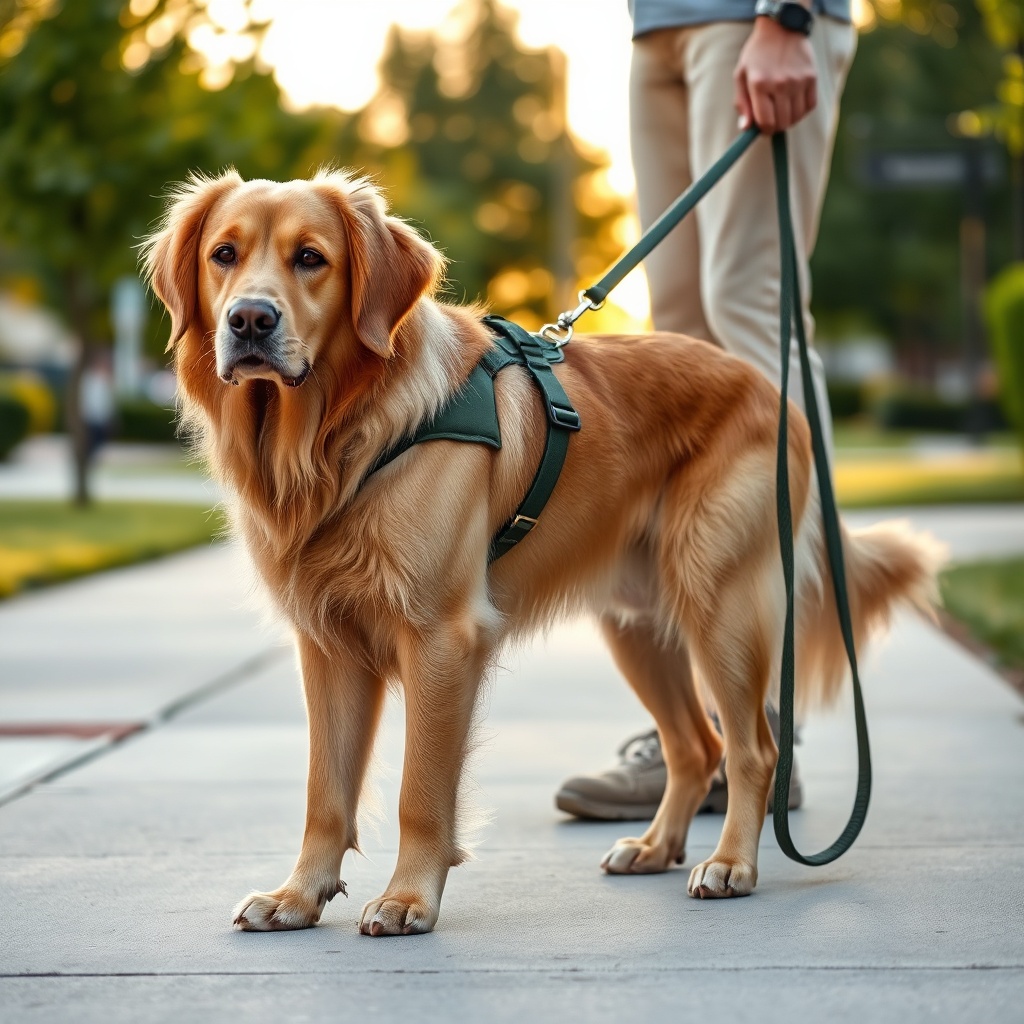
Most professional dog trainers and veterinarians recommend a standard 6-foot leash as the default option. If you are walking through suburban streets, local parks, or wide sidewalks, this length allows your dog to wander slightly to the edge of the grass to sniff and relieve themselves without pulling you off the path. It is also long enough to allow a loose, U-shaped loop in the line, which signalizes to the dog that they are behaving correctly.
The 4-Foot Utility: Urban and High-Traffic Control
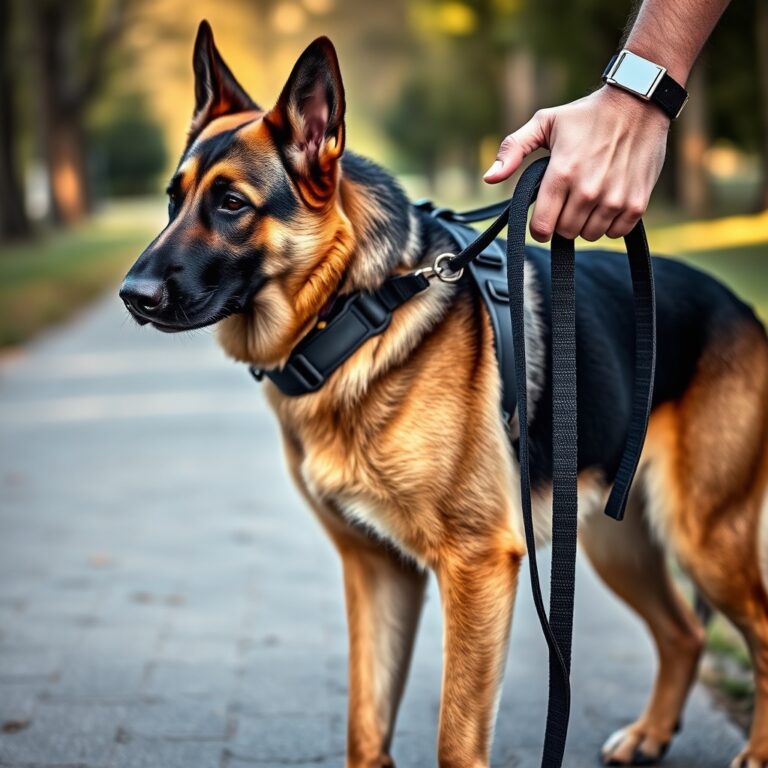
If your daily walk involves navigating dense city sidewalks, passing outdoor cafes, or crossing busy intersections, a 4-foot leash is often the superior choice. This shorter span keeps your dog close to your hip, preventing them from stepping into the path of oncoming cyclists, scooter riders, or anxious pedestrians. Shorter leashes are also highly beneficial for tall, powerful breeds where maintaining leverage is a safety priority.
Long Lines (15 to 50 Feet): Decompression and Training Only
Long lines should never be used as a primary daily walking tool in populated areas. Instead, they serve as specialized training gear. These lines allow you to practice distance commands like ‘stay’ and ‘come’ while maintaining a physical connection to your dog. They are also excellent for decompression walks in quiet, open fields where your dog can run and sniff naturally without violating local leash laws.
Environmental Factors That Should Guide Your Choice
To choose the correct leash today, take a look at where you spend 80% of your walking time:
- The Urban Commute: High density of people, trash, and traffic. Choose a 4-foot leash or a 6-foot leash with a built-in traffic handle (a secondary loop located close to the collar attachment).
- The Suburban Loop: Moderate space, grass verges, and occasional oncoming dogs. Choose a 6-foot leash made of durable, lightweight material.
- The Rural or Trail Walk: Low traffic, wide open spaces, and natural obstacles. A 6-foot or 8-foot leash allows safe navigation around rocks, dirt paths, and brush.
Material Choice Matters as Much as Length
The functionality of your chosen length depends heavily on the material it is crafted from. A standard flat nylon leash is lightweight and cheap but can easily cause rope burn if a dog pulls. Leather is incredibly comfortable to hold and breaks in beautifully over time, offering natural shock absorption. For wet climates or dogs that love mud, waterproof Biothane is the modern standard—it does not absorb odors, stays lightweight even when soaked, and can be wiped clean in seconds.
Frequently Asked Questions
Are retractable leashes safe for daily walks?
Most trainers strongly advise against using retractable leashes for daily walks. The constant tension teaches dogs that pulling is the only way to move forward, which actively ruins loose-leash training. Additionally, the thin cords can snap easily, cause severe friction burns, and offer virtually zero control in an emergency.
What length is best for a dog that pulls?
A 4-foot to 6-foot leash paired with a front-clip harness is ideal for dogs that pull. Avoid long lines or retractable options, as more slack allows a pulling dog to build momentum, increasing the force of the jerk on your arm and their neck.
How long should a puppy’s first leash be?
A lightweight 6-foot leash is perfect for a puppy. It gives them enough room to explore their new world while allowing you to easily guide them away from eating debris off the ground. Avoid heavy leather or thick rope leashes for puppies, as the hardware weight can drag down on their developing necks.