
Rolling down the window with your dog’s head catching the breeze is one of the joys of pet ownership, but the reality of physics on the road is far less forgiving. Even a sudden stop at a modest thirty miles per hour can instantly transform an unrestrained dog into a dangerous projectile, putting both human and canine passengers at serious risk. Equipping your vehicle with the right restraint system goes far beyond preventing a distraction; it is an essential safety measure that safeguards everyone on board.
Yes, your dog absolutely needs a car safety harness or a secured travel crate. Unrestrained dogs face severe injury risks during sudden stops, can easily distract the driver, and pose a major impact hazard to human passengers in the event of a collision.
The Physics of Pet Travel: Why Loose Dogs Face High Risks
When a vehicle stops abruptly, any unsecured object continues moving at the car’s original speed. For instance, a sixty-pound dog in a crash at thirty-five miles per hour exerts thousands of pounds of force. This force can cause fatal injuries to the pet and serious harm to the passengers in front of them.
Beyond the physics of a crash, active dogs can block the driver’s blind spots, climb onto the pedals, or distract the driver at critical moments. Additionally, if an accident does occur, an unrestrained dog may bolt from the vehicle in panic, running into oncoming traffic or preventing emergency responders from safely reaching the vehicle’s human occupants.
Car Harness vs. Crate vs. Seat Belt Tether: Which is Safest?
Different containment methods offer varying levels of protection, convenience, and comfort. The table below compares the most common restraint options to help you make an informed decision based on your vehicle size and pet’s temperament.
| Restraint Option | Safety Level | Best Suited For | Key Pros & Cons |
|---|---|---|---|
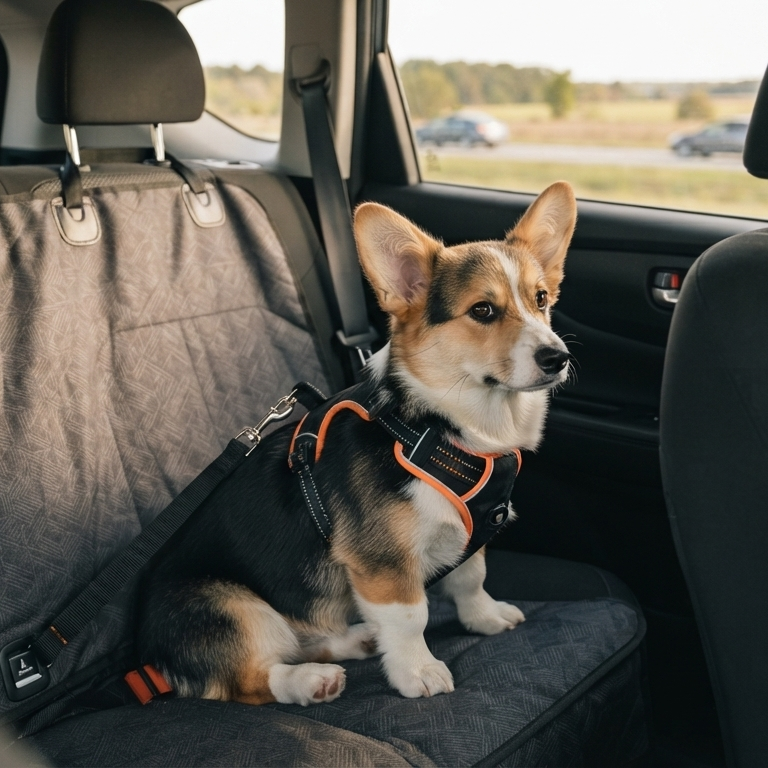
| Crash-Tested Harness | Very High | Medium to large dogs, active dogs that enjoy looking out the window | Pros: Keeps dog secure in seat, distributes force evenly. Cons: Requires proper sizing and acclimation. |
| Secured Hard-Sided Crate | Excellent | Small to medium dogs, anxious travelers, long road trips | Pros: Maximum containment, mimics a safe den. Cons: Requires a large vehicle cargo area, can be heavy. |
| Standard Seat Belt Tether | Moderate to Low | Quick trips, low-budget restraint | Pros: Inexpensive, attaches to existing collar/harness. Cons: Tethers can snap; if attached to a collar, it can cause severe neck trauma. |
Key Features of a True Crash-Tested Dog Harness
Not all car harnesses are created equal. Many products sold in pet stores are designed only to keep a dog from moving around, offering zero protection in an actual crash. When shopping for reliable safety gear, look for these critical design features:
- Certified Crash Testing: Verify if the manufacturer has crash-tested the harness at an independent facility, such as those that follow the guidelines established by the Center for Pet Safety.
- Broad, Padded Chest Plate: A wide chest plate is essential for distributing impact force across the dog’s ribcage and sternum, rather than concentrating pressure on the neck or throat.
- Heavy-Duty Hardware: Look for metal buckles, nested steel rings, and seatbelt-grade webbing. Plastic clips will instantly snap under the forces of a high-speed collision.
- Short Attachment Points: The harness should connect closely to the vehicle’s seat belt system, minimizing the distance your dog can fly forward before the restraint locks.
Step-by-Step: How to Train Your Dog to Wear a Car Harness
A safety harness only works if your dog wears it calmly. Forcing an anxious dog into a restrictive harness can make them dread car rides. Use this systematic approach to build positive associations with the new gear:
- Step 1: Introduction at Home. Let your dog sniff the harness on the floor. Place treats around and on top of it. Once they are comfortable, gently slip it on without buckling it, offer a high-value reward, and immediately take it off.
- Step 2: Buckle and Reward. Gradually build up to fastening the buckles. Let them wear the harness around the house for short periods while eating meals or playing, helping them associate the gear with positive experiences.
- Step 3: Stationary Car Practice. Bring your dog to the parked car, put the harness on, and secure them. Sit with them, offering praise and treats for several minutes without starting the engine, then release them.
- Step 4: Short Drives. Take a quick five-minute drive to a fun location like a local park. Gradually increase the duration of your trips as your pet becomes more comfortable and relaxed in their restraint.
Common Car Harness Mistakes to Avoid
Even the highest-quality harness can fail if used incorrectly. Avoid these common safety pitfalls:
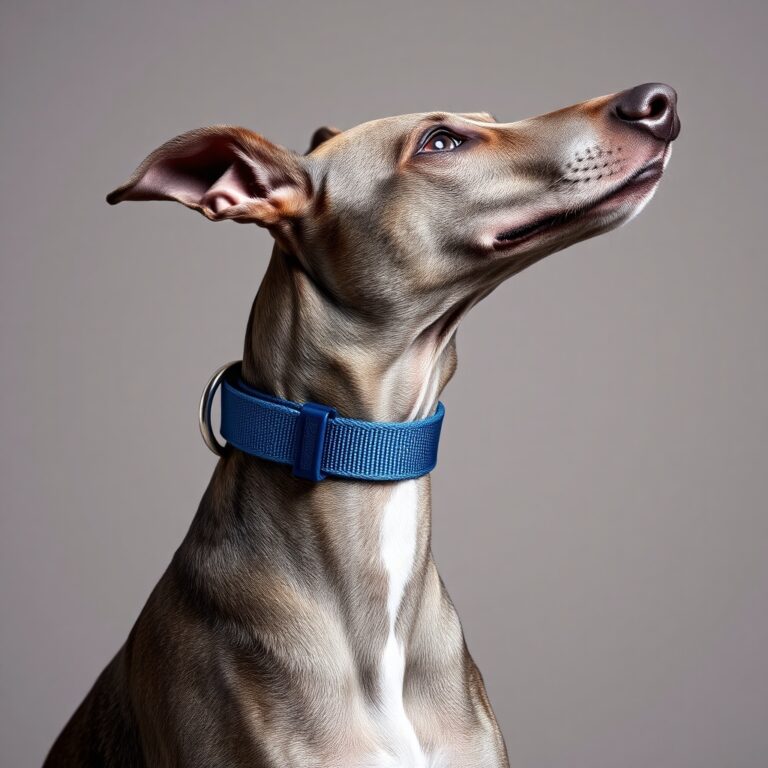
- Attaching a Tether to a Standard Collar: Never attach a car seat belt tether to a neck collar. In a sudden stop, this can cause instant, life-threatening tracheal collapse or spinal damage.
- Leaving Too Much Slack in the Strap: If the connecting strap is too long, your dog can still hit the back of the front seat or get tangled in the webbing. Keep the connection snug but comfortable.
- Placing the Dog in the Front Passenger Seat: Airbags are designed for adult humans and deploy with immense force. Always secure your dog in the back seat to prevent devastating airbag injuries.
Frequently Asked Questions
Can I use a regular walking harness in the car?
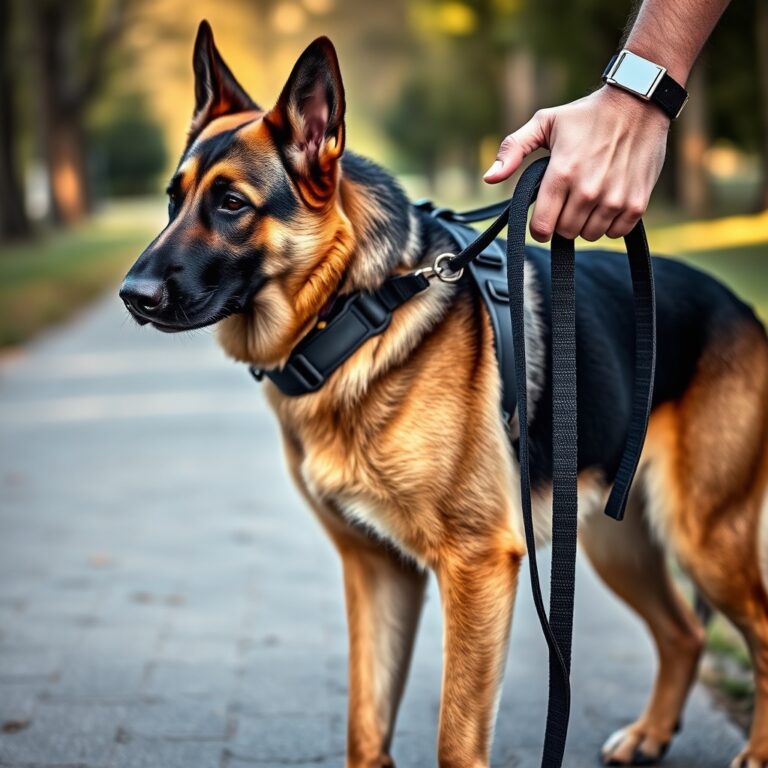
No, standard walking harnesses are not designed to withstand the violent forces of a vehicle collision. Their plastic clips, lightweight stitching, and thin webbing will tear under impact, failing to protect your pet.
How tight should a dog car harness be?
It should fit snugly but comfortably. You should be able to slide two fingers flat between the harness straps and your dog’s body. If it is too loose, the dog can slip out; if too tight, it will cause painful chafing.
Is it illegal to drive with an unrestrained dog?
While laws vary by state and country, an increasing number of jurisdictions are passing laws that penalize distracted driving caused by loose pets, or specifically mandate the use of crash-tested restraints for animal transport.