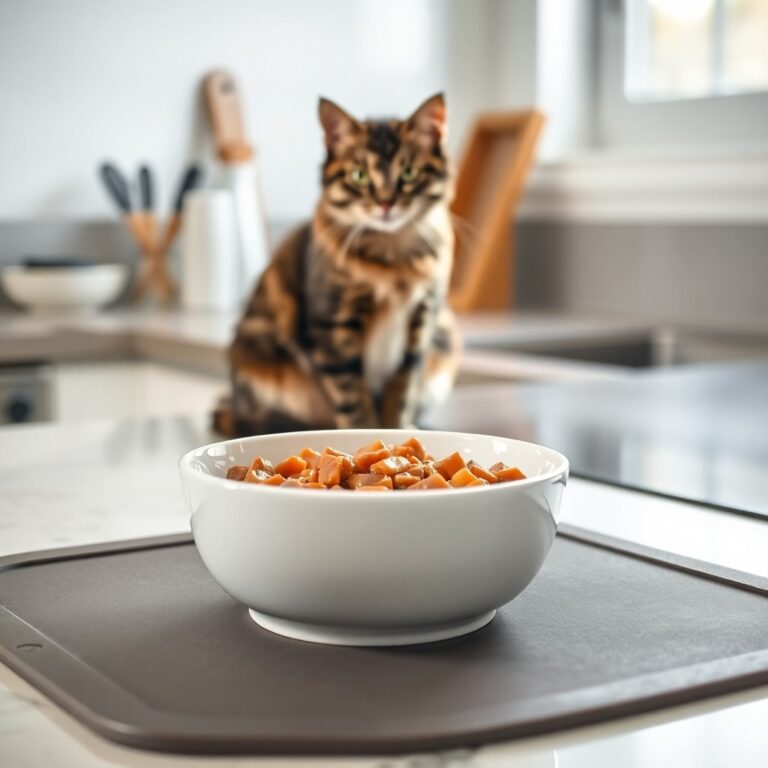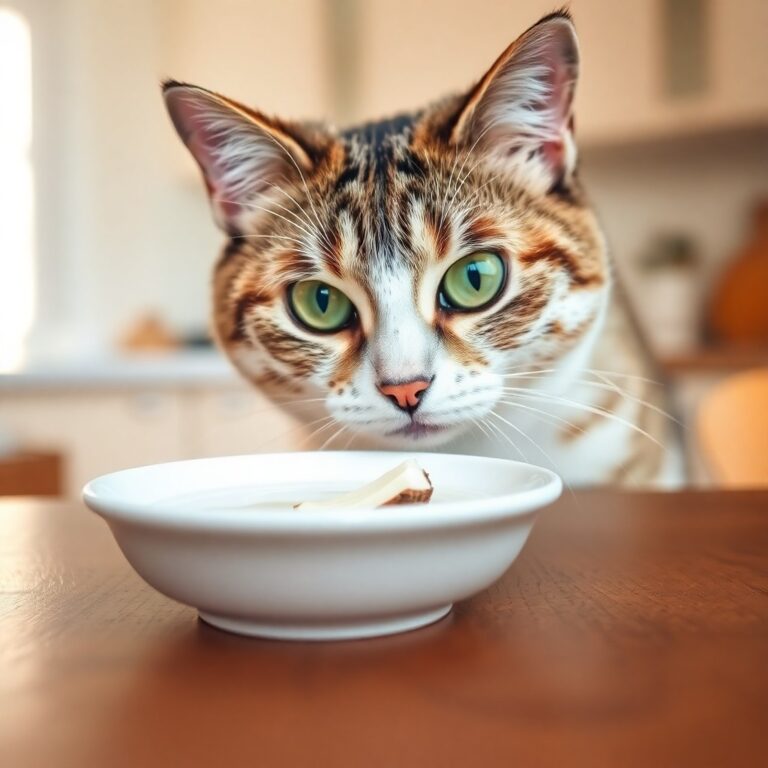

If your cat is struggling with chronic vomiting, diarrhea, or weight loss due to Inflammatory Bowel Disease (IBD), finding the right food can feel like an endless battle—but relief is possible through targeted nutrition.
An elimination diet for cats with IBD works by removing common dietary allergens using either hydrolyzed proteins (proteins broken down to escape immune detection) or novel proteins (sources your cat has never eaten before) to allow the gastrointestinal tract to heal. This specialized dietary trial is considered the gold standard for diagnosing and managing food-responsive enteropathy, a major component of feline chronic enteropathies (WSAVA).
The Role of Food Allergens in Feline IBD
Feline Inflammatory Bowel Disease is a complex syndrome characterized by persistent gastrointestinal symptoms and mucosal inflammation. While the exact cause is multifactorial, the immune system in the gut often overreacts to normal dietary proteins passing through the digestive tract. When the gut barrier is compromised, these intact proteins penetrate the mucosal lining, triggering an inflammatory cascade that leads to cellular infiltration, malabsorption, and chronic discomfort.
For owners, this means that even a tiny crumb of standard chicken, beef, or fish can trigger an immediate immune response in a sensitive cat’s gut, leading to inflammation and uncomfortable symptoms like vomiting or diarrhea. Identifying and removing these trigger proteins is crucial to breaking the cycle of chronic irritation.
Hydrolyzed vs. Novel Protein Diets: What is the Difference?
To identify food sensitivities, veterinarians rely on two distinct dietary strategies: hydrolyzed protein diets and novel protein diets. Both aim to prevent the feline immune system from recognizing and reacting to dietary antigens, but they achieve this through different scientific mechanisms.
Hydrolyzed Protein Diets
These diets are formulated using advanced chemical processes called enzymatic hydrolysis. This process breaks intact proteins (typically soy, chicken, or feather meal) down into tiny peptide fragments. By reducing the molecular weight of these proteins (typically below 12,000 Daltons), the molecules become too small to cross-link IgE receptors on mast cells, effectively bypassing the immune system’s detection system.
Novel Protein Diets
A novel protein diet utilizes a single, intact protein source that the individual cat has never been exposed to previously. Because the cat’s immune system has no historical memory of this specific antigen, it is highly unlikely to trigger an inflammatory reaction. Common novel protein sources for cats include venison, rabbit, duck, kangaroo, or alligator.
Comparing Dietary Options for Feline IBD
When choosing between these two clinical pathways, veterinarians evaluate several factors, including the cat’s dietary history, the severity of the clinical signs, and patient compliance. The table below outlines the core differences between these therapeutic options.
| Feature | Hydrolyzed Protein Diet | Novel Protein Diet |
|---|---|---|
| Mechanism | Proteins chemically broken down into microscopic peptides. | Intact proteins from an uncommon, unexposed animal source. |
| Allergen Exposure Risk | Minimal; bypasses standard immune recognition. | Low, but contingent on an accurate, lifelong dietary history. |
| Palatability | Moderate to low; the hydrolysis process can taste slightly bitter to selective cats. | High; retains natural meat textures and flavors. |
| Cross-Contamination Risk | Very low in veterinary prescription lines. | Variable; higher risk in over-the-counter (OTC) options. |
| Ideal Candidate | Cats with extensive exposure to multiple protein sources or unknown histories. | Cats with known histories that refuse hydrolyzed formulas. |
How to Conduct a Strict Elimination Diet Trial
Implementing an elimination trial requires precision, consistency, and absolute commitment. A single mistake can reset the clinical timeline, delaying crucial diagnostic data.
Step 1: Consult Your Veterinarian
Before changing any food, obtain a formal diagnosis and a tailored dietary recommendation. Your veterinarian will review your cat’s medical history to select the safest diet and ensure it meets basic nutritional standards outlined by global organizations like the Association of American Feed Control Officials (AAFCO) or the European Pet Food Industry Federation (FEDIAF).
Step 2: Execute a Gradual Transition
Sudden dietary shifts can cause acute gastrointestinal distress, complicating the trial. Gradually mix the new diet with the old diet over a period of 7 to 10 days, slowly increasing the proportion of the therapeutic food while monitoring for any acute adverse reactions.
Step 3: Maintain Absolute Dietary Isolation
For a period of 8 to 12 weeks, your cat must consume *only* the prescribed therapeutic food and water. For owners, this means absolutely no commercial treats, table scraps, flavored vitamin supplements, flavored medications, or dental chews. If you have a multi-cat household, you must feed cats in separate rooms or transition all cats to the elimination diet to prevent cross-contamination.
Step 4: The Reintroduction Phase
If clinical signs of IBD improve significantly during the trial, your veterinarian may recommend a ‘challenge phase’ where the previous diet is slowly reintroduced. A rapid recurrence of symptoms (usually within 1 to 14 days) confirms a dietary allergy or sensitivity, identifying the specific protein that must be avoided long-term.
Monitoring and Long-Term Management
A successful dietary trial requires tracking daily stools, vomiting episodes, and overall appetite. Many cats with IBD show initial improvement within 2 to 4 weeks, but deep mucosal healing can take up to 3 months. If a cat shows partial improvement, the veterinary team may introduce low-dose medical therapies, such as corticosteroids, to manage concurrent mucosal inflammation while continuing the dietary therapy.
When to Escalate to Your Veterinarian
While dietary adjustments are foundational, cats with IBD are prone to sudden flare-ups or complications. You must contact your veterinarian immediately if your cat experiences any of the following:
- Complete food refusal lasting more than 24 to 48 hours, which carries a high risk of hepatic lipidosis in felines.
- Severe, watery, or bloody diarrhea.
- Rapid, unexplained weight loss or muscle wasting.
- Lethargy, weakness, or signs of abdominal pain.
Frequently Asked Questions
Can I use over-the-counter novel protein diets?
Over-the-counter diets are not recommended for diagnostic trials. Diagnostic studies show that many commercial retail pet foods contain trace amounts of undeclared proteins due to shared manufacturing equipment. True elimination trials require strict prescription diets manufactured on dedicated, sanitized lines.
How long does a cat have to stay on a hydrolyzed diet?
If your cat thrives on a hydrolyzed diet, they can safely stay on it indefinitely. These prescription diets are complete, balanced, and formulated for long-term maintenance under veterinary supervision.
What if my cat refuses to eat the hydrolyzed food?
Hydrolyzed protein can have a slightly bitter taste. If your cat refuses it, do not force them to fast. Consult your vet about transitioning to a highly palatable, single-source novel protein diet instead.
References
- World Small Animal Veterinary Association (WSAVA) Gastrointestinal Guidelines.
- American Animal Hospital Association (AAHA) Nutritional Assessment Guidelines for Dogs and Cats.