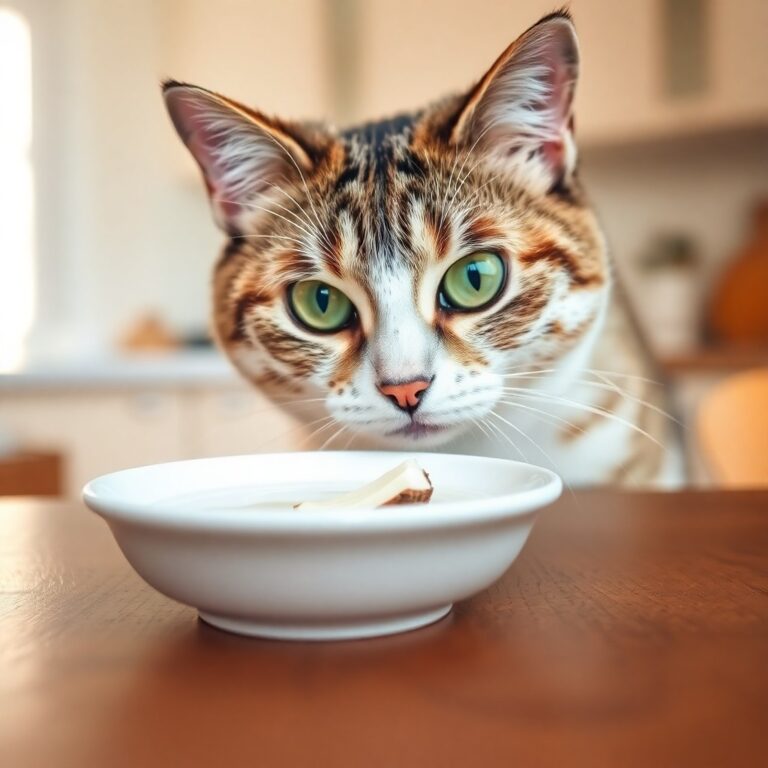

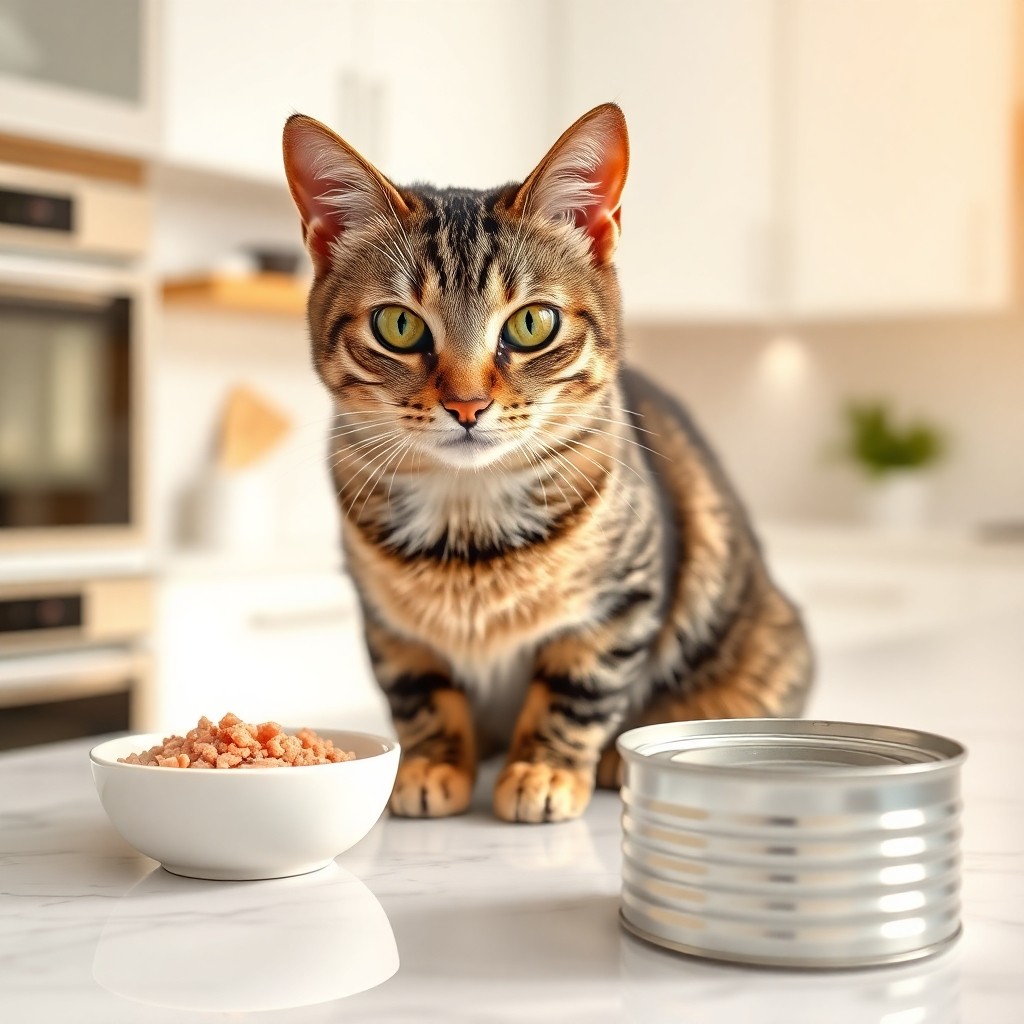
The moment you pop open a can of tuna and hear that familiar click, your cat is suddenly standing at your feet, demanding a share. It is hard to resist those persistent meows, but treating your feline friend to tuna every single day might be doing more harm than good. While cats thrive on animal protein, this pantry staple simply does not cut it as a balanced daily diet.
Can Cats Eat Tuna Every Day? The Quick Answer
No, cats cannot eat tuna every day. Feeding tuna as a daily staple causes severe nutritional deficiencies, raises the risk of mercury poisoning, and can lead to a painful inflammatory condition called steatitis (yellow fat disease). While an occasional bite-sized portion of tuna is generally harmless, it must never replace a complete and balanced feline diet.
The Serious Health Risks of Daily Tuna Consumption
Feeding a feline companion a daily diet dominated by tuna compromises their physiology. The domestic cat has highly specialized nutritional requirements that seafood alone cannot meet.
1. Nutritional Deficiencies (Thiamine and Taurine)
Tuna lacks essential vitamins and minerals required for feline metabolic health. Most notably, raw tuna contains thiaminase, an enzyme that actively destroys thiamine (Vitamin B1). Even cooked or canned tuna lacks the calibrated levels of taurine, calcium, and phosphorus required by international feeding guidelines (AAFCO).
For owners, this means that feeding tuna daily essentially starves a cat of the microscopic nutrients their organs need to function, leading to neurological decline, dilated cardiomyopathy, and metabolic bone disease.
2. Mercury Toxicity
As apex predators in the marine food chain, tuna accumulate high levels of methylmercury in their tissues over time. Because cats have a much smaller body mass than humans, they are exceptionally sensitive to heavy metal accumulation.
For owners, this means that over several weeks or months of daily tuna consumption, mercury can cross the blood-brain barrier. This causes irreversible neurological damage, manifesting as loss of balance, uncoordinated movements (ataxia), trembling, and vision loss.
3. Steatitis (Yellow Fat Disease)
Tuna is exceptionally rich in unsaturated fatty acids but deficient in Vitamin E. When a cat consumes a diet high in unsaturated fats without sufficient antioxidant protection from Vitamin E, their fat tissue becomes highly inflamed. This painful disease, known as steatitis or ‘yellow fat disease’, makes even the gentlest touch agonizing for the cat.
Nutritional Comparison: Tuna vs. Standard Feline Requirements
To illustrate why tuna is unsuitable as a daily diet, the table below compares the nutritional profile of plain canned tuna with the nutritional guidelines established for adult cat maintenance (WSAVA):
| Nutrient Component | Plain Canned Tuna Level | Feline Dietary Target (AAFCO/WSAVA) | Clinical Impact of Imbalance |
|---|---|---|---|
| Calcium-to-Phosphorus Ratio | Extremely low (highly deficient in Calcium) | Strictly balanced between 1:1 and 2:1 | Severe bone demineralization and kidney strain |
| Vitamin E | Extremely deficient | Minimum 30 IU/kg of dry matter | Development of painful Steatitis (Yellow Fat Disease) |
| Thiamine (Vitamin B1) | Deficient / Destroyed by enzymes | Minimum 5.6 mg/kg of dry matter | Neurological symptoms, seizures, and head tilt |
| Sodium | High (especially canned in brine) | Controlled low levels | Hypertension and progressive renal damage |
How to Safely Offer Tuna to Your Cat
You do not have to banish tuna from your home entirely. When treated as an occasional delicacy rather than a meal, it can be a highly motivating high-value reward.
- The 10% Treat Rule: Ensure that any supplemental food, including tuna, makes up no more than 10% of your cat’s total daily caloric intake. The remaining 90% must come from a complete and balanced commercial cat food.
- Choose Canned in Water: Never feed canned tuna in oil, as the excess fats can trigger acute pancreatitis. Avoid canned tuna in brine due to high sodium levels. Always choose tuna canned in spring water with no added salt.
- Opt for Skipjack or Light Tuna: Light tuna varieties contain significantly less mercury than Albacore (white) tuna.
- Frequency Limit: Limit tuna treats to a maximum of one to two teaspoons, once a week.
How to Handle Feline Tuna Addiction
Cats are highly sensory eaters, and the intense aroma and strong umami flavor of tuna can make them hyper-focused on it. Some cats will refuse all other food, staging a hunger strike until they receive tuna. This behavioral pattern is often referred to by veterinarians as a ‘tuna junkie’ state.
To safely transition your cat back to a balanced diet, gradually mix tiny amounts of tuna into high-quality wet cat food. Over a period of two weeks, slowly reduce the proportion of tuna while increasing the proportion of the balanced diet until the tuna is entirely phased out.Frequently Asked Questions
Can cats eat tuna canned in oil?
No, you should never feed your cat tuna canned in oil. The dense concentration of vegetable, soybean, or sunflower oils can cause severe gastrointestinal distress, vomiting, diarrhea, and can lead to life-threatening acute pancreatitis.
What are the symptoms of mercury poisoning in cats?
Signs of mercury poisoning in cats primarily affect the nervous system. Watch closely for a loss of coordination, difficulty walking in a straight line, involuntary muscle tremors, weakness in the hind legs, dilated pupils, and sudden behavioral changes. If you observe these symptoms, seek immediate veterinary care.
Can I feed my cat tuna juice?
Occasionally, you can pour a tablespoon of water from tuna canned in water over your cat’s regular wet food to encourage hydration or appetite. Ensure the tuna water is sodium-free and does not contain artificial preservatives, onion, or garlic powder.
References
- World Small Animal Veterinary Association (WSAVA) Global Nutrition Guidelines.
- Association of American Feed Control Officials (AAFCO) Nutrient Profiles for Cats.
- Clinical Veterinary Toxicology, Section on Heavy Metal Toxicity (Mercury in Domestic Felines).