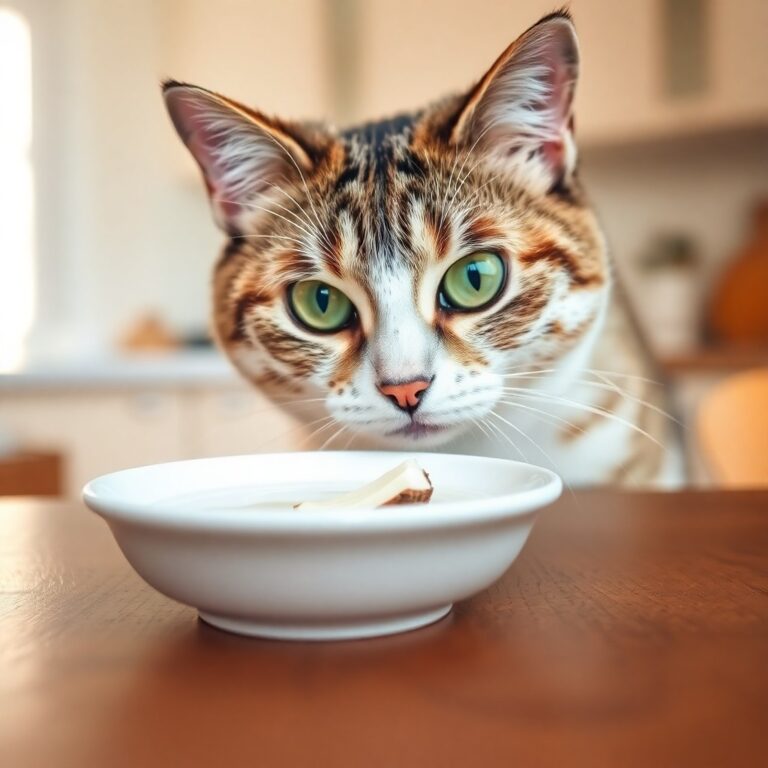
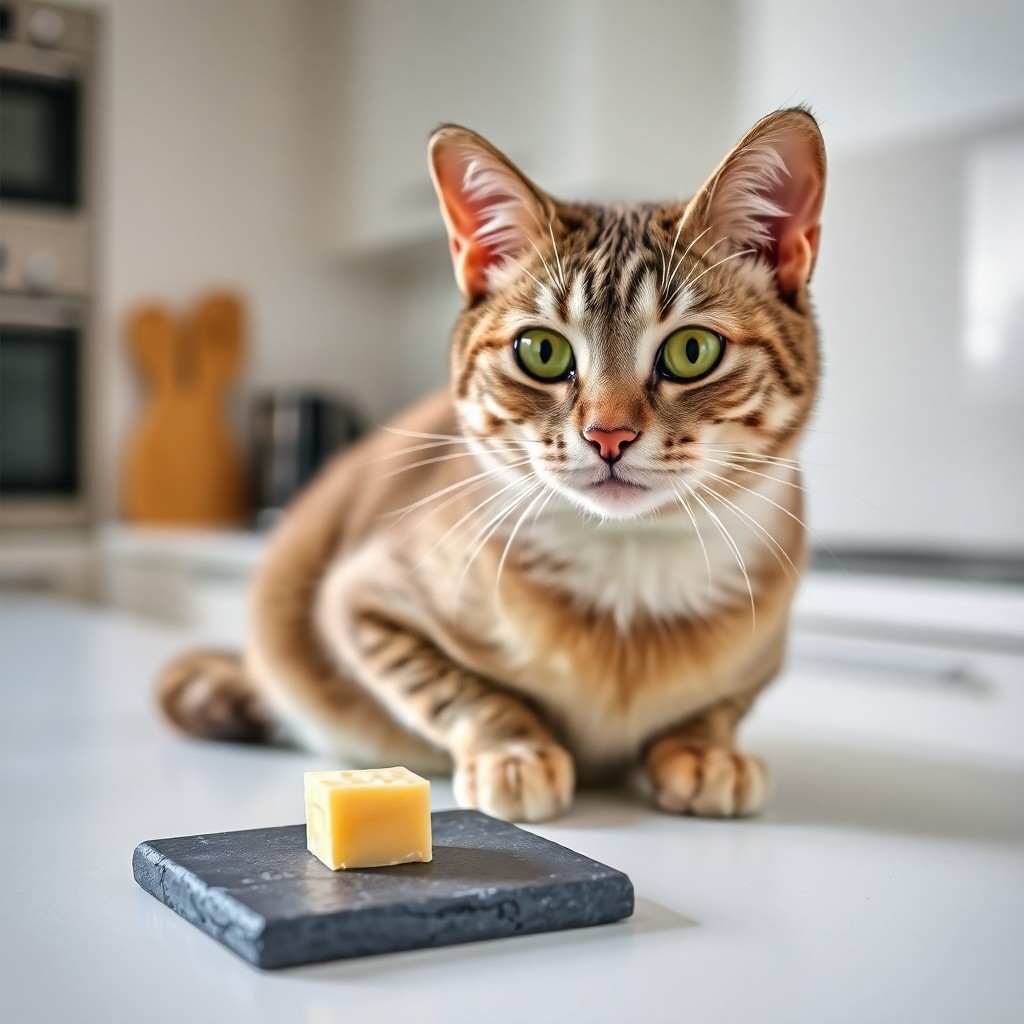
If your cat just swiped a piece of cheddar right off the kitchen counter, you are definitely not alone. While that stolen bite is not going to send your feline to the emergency room, cheese is a lot more complicated for their digestive system than most people realize. Figuring out how dairy actually affects your cat helps you avoid messy tummy troubles and figure out which, if any, types are safe to share.
Can cats eat cheese? Yes, cats can eat certain types of cheese in extremely small quantities as an occasional treat, but it is not a natural or necessary part of their diet because most adult cats are lactose intolerant.
The Feline Digestive System and Lactose Intolerance
To understand why cheese can be problematic, it helps to look at feline biology. Kittens possess high levels of the enzyme lactase, which allows them to break down their mother’s milk. However, as kittens transition to solid food, their production of lactase drops significantly. By the time they reach adulthood, most cats lack the enzyme capacity to digest the sugar found in milk (lactose).
When a lactose-intolerant cat consumes dairy, the undigested lactose passes through the small intestine into the colon, drawing in water and fermenting with gut bacteria. For owners, this means that feeding your cat even a small piece of cheese can result in noticeable gastrointestinal distress, including diarrhea, painful gas, abdominal bloating, and vomiting.
Safe vs. Dangerous Cheeses: A Nutritional Breakdown
If you choose to feed cheese to your cat as a rare reward or to hide medication, select varieties that are lower in lactose, sodium, and fat. Avoid any cheeses seasoned with garlic, onions, chives, or other spices, as these ingredients are highly toxic to felines.
| Cheese Type | Lactose Level | Sodium/Fat Risk | Safety Status |
|---|---|---|---|
| Cheddar / Swiss | Very Low | Moderate to High | Moderately Safe (Tiny amounts only) |
| Mozzarella (Low-Moisture) | Low to Moderate | Moderate | Moderately Safe (Tiny amounts only) |
| Cottage Cheese | Moderate | Low | Use Caution (Can cause loose stools) |
| Blue Cheese | Low | High | Dangerous (Contains mold cultures) |
| Cream Cheese | High | Very High | Not Recommended (High fat, high lactose) |
The Danger of Moldy and Soft Cheeses
Cheeses like Blue, Roquefort, and Gorgonzola are made using Penicillium mold cultures. These molds can produce mycotoxins that are highly toxic to pets, potentially causing tremors, seizures, and severe neurological issues. Soft, unpasteurized cheeses also carry a higher risk of carrying harmful bacteria like Listeria and Salmonella, which can be devastating to a cat’s digestive tract.
Nutritional Risks: Fat, Salt, and Calories
Even if your cat seems to tolerate lactose well, cheese presents other nutritional hurdles. Cats are obligate carnivores, meaning their bodies are biologically designed to process nutrients directly from animal meat (AAFCO). Cheese is exceptionally calorie-dense, high in saturated fats, and packed with sodium.
- Weight Gain and Obesity: A single ounce of cheddar cheese contains approximately 113 calories. For an average ten-pound cat requiring only 200 to 250 calories per day, this represents over half of their daily caloric intake. Over time, this calorie density can easily lead to feline obesity.
- Pancreatitis: High-fat treats can trigger pancreatitis, a painful inflammation of the pancreas that requires immediate veterinary care.
- Sodium Poisoning: Excess sodium can strain a cat’s kidneys and cardiovascular system. For cats with pre-existing kidney disease or heart conditions, high-sodium treats are particularly dangerous.
How to Safely Administer Cheese to Your Cat
If your veterinarian approves using cheese for pill administration, follow these strict rules to ensure your pet remains safe:
- Keep portions microscopic: The portion should be no larger than the size of a standard green pea.
- Use hard, low-lactose cheese: Mild cheddar, Swiss, or Gouda are the best choices because the aging process naturally reduces lactose levels.
- Monitor for reactions: Watch your cat for 12 to 24 hours after ingestion. If you observe vomiting, diarrhea, lethargy, or loss of appetite, discontinue dairy treats completely.
Frequently Asked Questions
Can kittens eat cheese?
No. While kittens produce more lactase than adult cats, their digestive systems are highly sensitive. Introducing calorie-dense, fatty foods like cheese can disrupt their delicate gut microbiome and lead to severe diarrhea, which can rapidly cause dehydration in growing kittens.
Can cats drink milk instead of eating cheese?
No. Standard cow’s milk contains much higher concentrations of lactose than hard cheeses. Drinking cow’s milk is highly likely to cause severe gastrointestinal upset in adult cats. If you want to treat your cat to milk, purchase specifically formulated ‘cat milk’ from a pet supply retailer, which has the lactose removed.
What should I do if my cat ate a large amount of cheese?
If your cat consumed a significant portion of cheese, especially cheese containing garlic, onions, or blue mold, contact your veterinarian immediately. For plain cheeses, monitor them closely for signs of severe stomach upset, vomiting, or diarrhea, and ensure they have access to plenty of fresh water.
References
Standard feline nutritional requirements are established by the Association of American Feed Control Officials (AAFCO) and monitored by international veterinary organizations such as the World Small Animal Veterinary Association (WSAVA).