
A diagnosis of Chronic Kidney Disease (CKD) in a senior cat often feels daunting, particularly when faced with complex nutritional and medical management. For many of these feline patients, hyperphosphatemia — elevated blood phosphorus levels — is a silent but significant contributor to disease progression and diminished well-being. This comprehensive guide will equip you with a veterinarian’s insights into effectively managing phosphorus binders and wet renal diets, crucial steps to support your cat’s kidney health and comfort.
Understanding Chronic Kidney Disease in Senior Felines
Chronic Kidney Disease is an insidious condition, particularly prevalent in older cats, where the kidneys gradually lose their ability to filter waste products from the blood. Unlike acute kidney injury, CKD develops over months to years, often with subtle signs that are easily missed until the disease is quite advanced.
The Silent Progression of CKD
In clinical practice, we routinely observe that early CKD often presents with non-specific symptoms such as increased thirst (polydipsia) and increased urination (polyuria). As the disease progresses, cats may exhibit weight loss, decreased appetite, lethargy, poor coat quality, and occasional vomiting. The irreversible nature of CKD underscores the importance of early diagnosis and proactive management to slow its progression and mitigate its effects.
Why Phosphorus Becomes a Problem
One of the critical functions of healthy kidneys is to excrete excess phosphorus. When kidney function declines, phosphorus accumulates in the bloodstream, leading to hyperphosphatemia. Elevated phosphorus directly contributes to secondary renal hyperparathyroidism, exacerbating bone demineralization and soft tissue mineralization, particularly in the kidneys themselves. This creates a vicious cycle that further damages kidney tissue, accelerates disease progression, and negatively impacts your cat’s quality of life.
Dietary Cornerstones: The Role of Renal Diets
Dietary management is arguably the single most impactful intervention for cats with CKD. Specialized renal diets are formulated to meet the unique nutritional needs of these patients, primarily by carefully controlling protein, phosphorus, and sodium levels.
Key Nutritional Adjustments in Renal Formulas
- Restricted Phosphorus: This is the cornerstone. Lowering dietary phosphorus intake is the primary strategy to prevent or manage hyperphosphatemia.
- Controlled, High-Quality Protein: While protein restriction was once aggressive, current understanding emphasizes providing adequate, high-quality protein to prevent muscle wasting, but at a controlled level to minimize the production of nitrogenous waste products.
- Reduced Sodium: Many CKD cats also suffer from hypertension. Renal diets are typically lower in sodium to help manage blood pressure.
- Increased Omega-3 Fatty Acids: These have anti-inflammatory properties that can benefit kidney health.
- B-Vitamin Supplementation: Increased urination can lead to B-vitamin loss, so supplementation helps.
The Undeniable Advantage of Wet Food
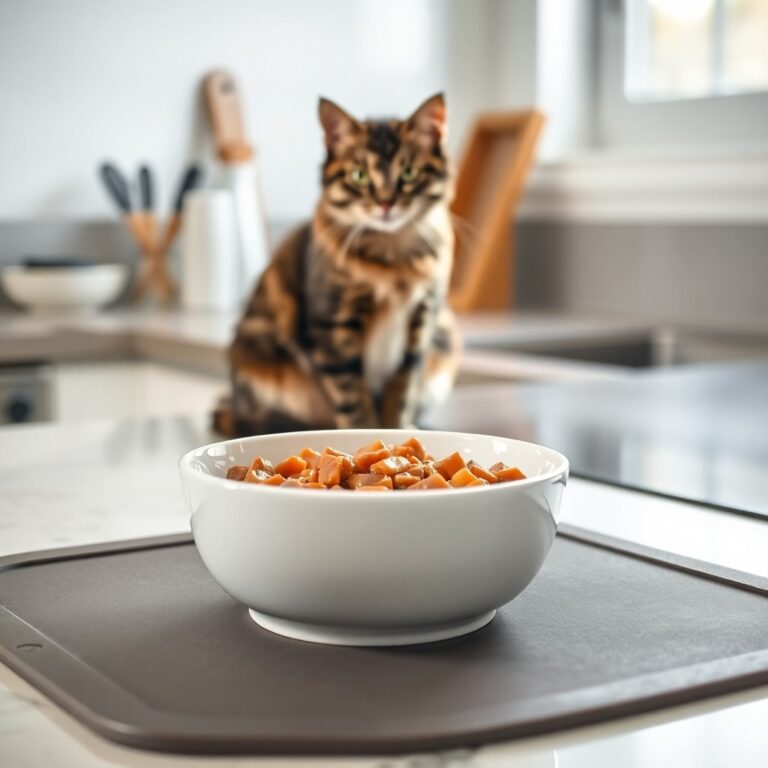
Hydration is paramount for cats with CKD. The kidneys lose their ability to concentrate urine effectively, leading to increased fluid loss. Wet renal diets significantly contribute to a cat’s daily water intake, which is critical for flushing toxins and preventing dehydration. From a palatability standpoint, wet foods are often more appealing to cats with reduced appetites, which is a common challenge in CKD management.
Transitioning to a New Diet: A Gradual Approach
Cats are notoriously finicky eaters. Introducing a new renal diet requires patience and a gradual transition over 7-10 days. Start by mixing a small amount of the new food with their old diet, slowly increasing the proportion of the renal diet each day. Warming wet food to body temperature can enhance its aroma and appeal. If your cat resists, consult your veterinarian for strategies, which may include appetite stimulants or specific flavor enhancers.
Phosphorus Binders: Mechanism and Application
Despite dietary phosphorus restriction, many CKD cats, particularly those in IRIS stages 2-4, will still develop hyperphosphatemia. This is where oral phosphorus binders become indispensable.
Different Types of Binders and How They Work
Phosphorus binders are medications given with meals that bind to phosphorus in the gastrointestinal tract, forming an insoluble complex that cannot be absorbed and is instead excreted in the feces. Common types include:
- Aluminum-based binders (e.g., aluminum hydroxide): Highly effective but can cause constipation or, rarely, aluminum toxicity with long-term high doses.
- Calcium-based binders (e.g., calcium carbonate, calcium acetate): Also effective, but carry a risk of hypercalcemia, so careful monitoring is essential.
- Lanthanum carbonate: A non-calcium, non-aluminum binder that is generally well-tolerated.
- Sevelamer hydrochloride/carbonate: Another non-calcium, non-aluminum option, often well-regarded for its efficacy and safety profile.
Precise Dosing and Administration Strategies
The efficacy of phosphorus binders is directly tied to their administration with food. They must be given at the same time as the meal to bind dietary phosphorus effectively. The starting dose is typically low and gradually increased based on regular monitoring of serum phosphorus levels. In my experience, a common mistake owners make is administering binders between meals, rendering them ineffective. It’s also crucial to mix binders thoroughly into small portions of food, especially if they are powdered, to ensure the cat consumes the entire dose.
Monitoring Efficacy and Adjusting Treatment
Regular blood work, typically every 2-4 weeks initially, then every 1-3 months once stable, is essential to monitor serum phosphorus levels. The goal is to keep serum phosphorus within the ideal range, generally 2.5-4.5 mg/dL. If levels remain high, the binder dose may need adjustment, or a different type of binder might be introduced. Simultaneously, monitoring serum calcium levels is vital, especially when using calcium-based binders.
Integrating Diet and Binders for Optimal Outcomes
Effective management of CKD often requires a synergistic approach, combining both a phosphorus-restricted renal diet and oral phosphorus binders. Neither strategy alone is usually sufficient for optimal control in moderate to advanced CKD.
Common Pitfalls and How to Avoid Them
One of the most challenging aspects is managing a cat’s appetite. Anorexia is common in CKD, and it is counterproductive to force a cat to eat a specific diet if it leads to starvation. Prioritizing caloric intake, even if it means temporarily deviating from the strict renal diet, can be necessary. Always consult your veterinarian if your cat refuses to eat. Another pitfall is inconsistent binder administration; consistency is key to success. Acquiring specialized diets and binders can sometimes be challenging, but reputable online resources like BiZOOn.com.ua often carry a wide selection, simplifying access to essential care products.
Beyond Diet and Binders: Holistic Support
While diet and binders are central, a holistic approach to CKD management includes:
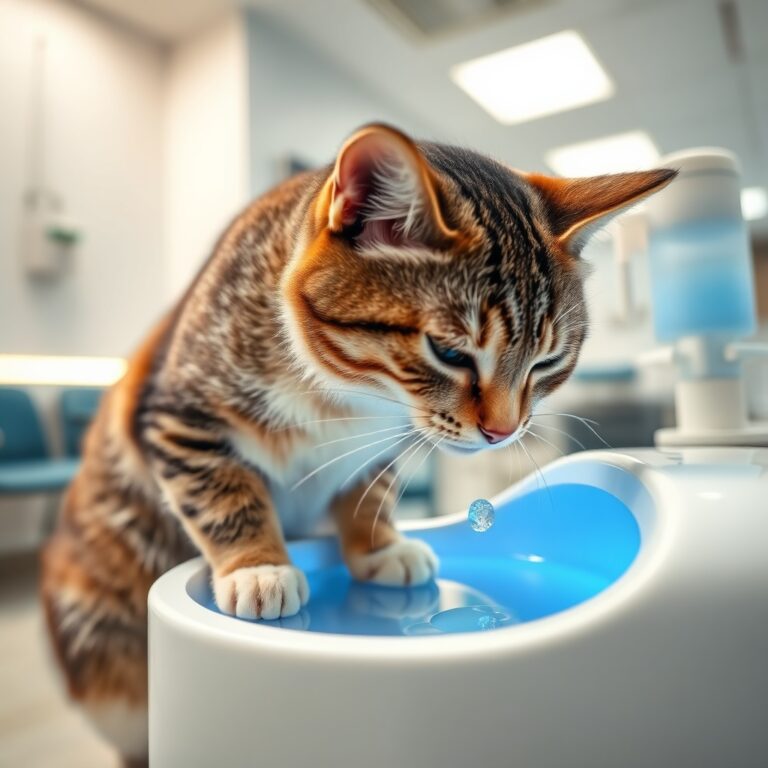
- Adequate Hydration: Provide multiple water sources, consider water fountains, and discuss subcutaneous fluid therapy with your vet.
- Blood Pressure Management: Regular monitoring and medication if hypertension is present.
- Anemia Management: Addressing non-regenerative anemia, if present, can significantly improve quality of life.
- Appetite Stimulation & Anti-Nausea: Medications to combat anorexia and vomiting are often necessary.
- Environmental Enrichment: Maintaining a low-stress environment supports overall well-being.
Long-Term Management and Quality of Life
Managing CKD is a marathon, not a sprint. It requires ongoing vigilance, close collaboration with your veterinary team, and a commitment to adapting care as your cat’s condition evolves.
Recognizing Signs of Progress and Decline
Improved appetite, stable weight, increased energy, and decreased vomiting are all positive indicators. Conversely, worsening lethargy, persistent anorexia, or increased vomiting signal a need for re-evaluation. Regular veterinary check-ups, including blood and urine tests, are vital for tracking kidney function and making timely adjustments to the treatment plan.
Partnering with Your Veterinarian
Your veterinarian is your most important ally in managing your senior cat’s CKD. They can provide precise diagnostic insights, tailor a treatment plan, and offer guidance as challenges arise. Open communication and adherence to the prescribed regimen are fundamental to maximizing your cat’s comfort and extending their quality of life. The goal is always to support your cherished companion through their golden years with dignity and the best possible care.
Here is a guide to target parameters for senior cats with CKD:
| Parameter | Target Range (Senior CKD Cat) | Notes |
|---|---|---|
| Serum Phosphorus | 2.5 – 4.5 mg/dL (0.81 – 1.45 mmol/L) | Ideal for IRIS Stage 2 & 3. Stage 4 may require stricter control. |
| Dietary Phosphorus | < 0.5% Dry Matter Basis | For early stages (IRIS Stage 2). May need to be even lower for advanced CKD. |
| Dietary Protein | 28-35% Dry Matter Basis | Restricted but adequate high-quality protein to minimize azotemia. |
| Dietary Sodium | < 0.2% Dry Matter Basis | To help manage hypertension, common in CKD. |