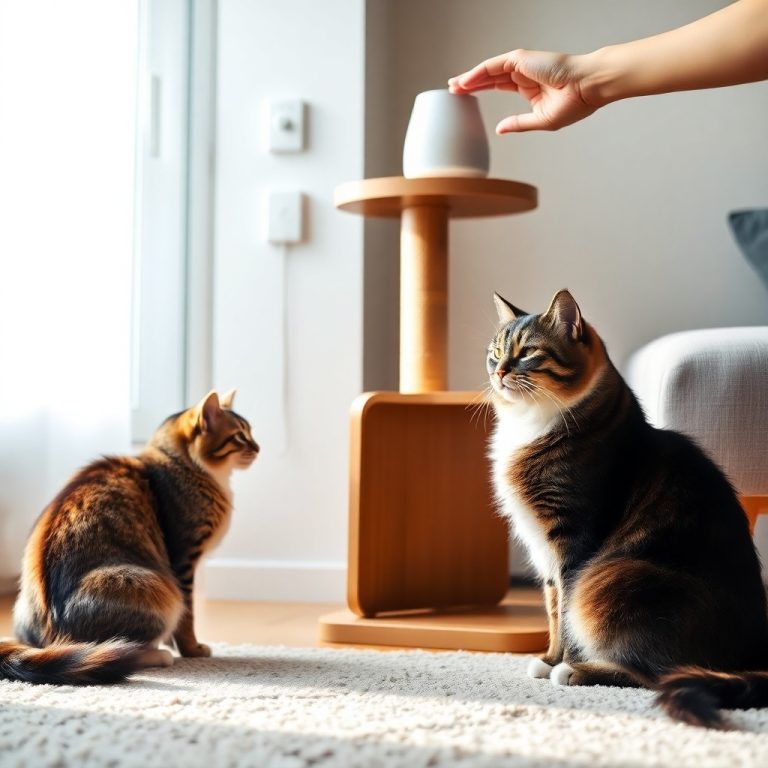

Most cat owners make the critical mistake of waiting for their pet to initiate play, assuming cats are completely independent animals that self-entertain. In reality, irregular play schedules can lead to nocturnal hyperactivity, stress-induced behavioral issues, and physical stagnation.
How often should you play with your cat? For optimal physical and mental health, you should play with your cat for two to three structured sessions of 10 to 15 minutes per day, totaling roughly 30 to 45 minutes of active daily interaction.
Understanding Play Needs by Life Stage
A cat’s age, physical condition, and breed personality dictate their daily exercise requirements. To keep your feline companion in peak condition, tailor your daily play schedule to their current life stage:
- Kittens (Under 1 Year): These high-energy bundles of joy require multiple short bursts of play throughout the day. Aim for 4 to 6 sessions of 10 to 15 minutes each. Their attention spans are short, but their need to practice hunting instincts is immense.
- Adult Cats (1 to 10 Years): Regular adult cats thrive on 2 to 3 sessions of 15 minutes daily. This is the crucial stage for weight management and preventing behavioral boredom.
- Senior Cats (Over 10 Years): Do not let senior cats become completely sedentary. They benefit from 1 to 2 gentle sessions of 5 to 10 minutes daily. Low-impact movement helps keep joints lubricated and fights cognitive decline.
The Perfect Play Session: The Simulated Hunt Method
To truly satisfy your cat’s psychological needs, you must tap into their hardwired predatory sequence: stalk, chase, pounce, catch, and eat. Simply waving a wand toy aimlessly will not do the trick. Follow this step-by-step interactive action plan to structure your play sessions:
- Step 1: The Build-Up. Drag a feather wand or toy mouse slowly across the floor, mimicking the movements of real prey. Hide it behind corners or under pieces of paper to trigger your cat’s stalking instincts.
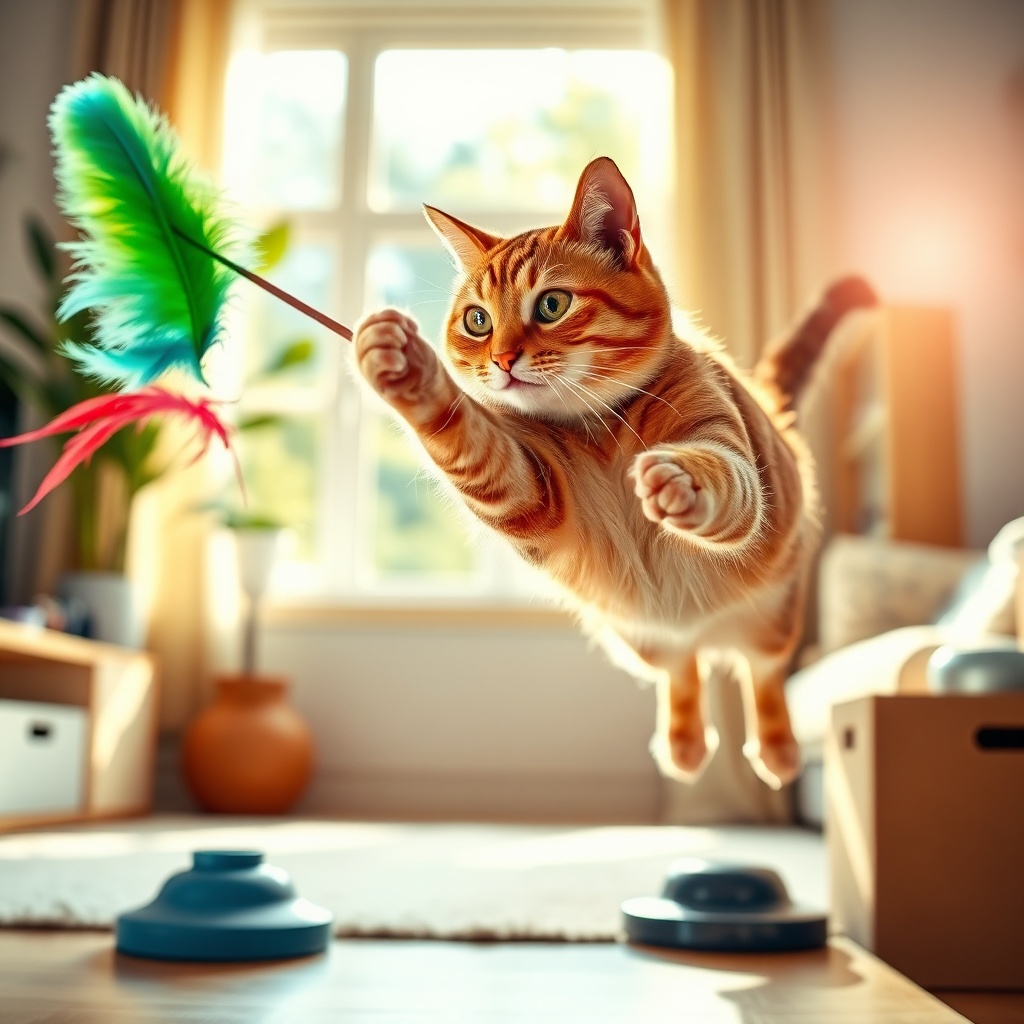
- Step 2: The Chase. Increase the speed of the toy as your cat begins to focus. Let them run, jump, and climb to burn off physical energy.
- Step 3: The Catch. Allow your cat to successfully pounce on and grab the toy multiple times during the session. This builds confidence and prevents psychological frustration.
- Step 4: The Cool Down. Gradually slow down the movements of the toy over the last two minutes of the session, signaling to your cat that the ‘prey’ is getting tired and the hunt is ending.
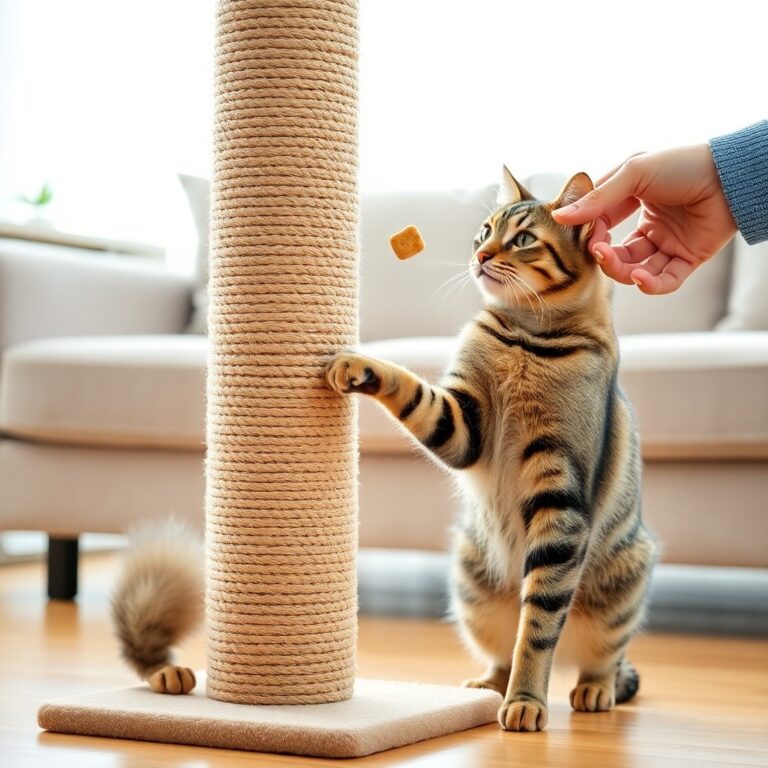
- Step 5: The Reward. Immediately feed your cat a small high-protein treat or their scheduled meal at the end of the session. This satisfies the final ‘eat’ stage of the hunting loop, letting their body transition into a relaxed, digestive state.
Common Play Mistakes to Avoid
Many owners accidentally reinforce negative habits during interactive play. Correcting these common mistakes will improve your bond and keep your home peaceful:
- Using hands or feet as toys: This teaches your cat that biting and scratching human skin is acceptable behavior, which becomes painful and dangerous as they grow.
- Ending sessions abruptly: Stopping play when your cat is at peak excitement leaves them frustrated, often leading to them attacking your ankles or tearing through the house.
- Leaving interactive toys out permanently: Wand toys and string lines should always be put away after play. Not only do cats lose interest when toys are always available, but swallowed strings can cause life-threatening intestinal blockages.
- Using lasers exclusively without a physical toy: Lasers are great for chasing, but cats get frustrated because they can never physically ‘catch’ the light. Always transition from a laser pointer to a physical toy at the end of the game.
Signs Your Cat Needs More Playtime
When cats do not get enough mental and physical stimulation, they communicate their frustration through specific behaviors. Watch out for these clear warning signs that your cat’s play schedule needs an upgrade:
- Midnight Zoomies: Running frantically across your bed or vocalizing loudly in the middle of the night.
- Destructive Scratching: Targeting door frames, sofas, or carpets instead of their designated scratching posts.
- Over-Grooming: Licking or chewing their fur excessively due to boredom-induced stress.
- Inappropriate Aggression: Swatting at your legs or biting your hands when you walk past them.
Frequently Asked Questions
Can you overplay with a cat?
Yes. While rare, cats can become overexhausted. If your cat starts panting with an open mouth, lays down flat on their side, or refuses to chase the toy, stop the session immediately and let them rest in a cool area.
What should I do if my cat ignores toys?
Experiment with different textures and sounds. Some cats are ‘air predators’ that prefer feathers flying high, while others are ‘ground predators’ that prefer crinkly noises and toys sliding under rugs. Also, try rotating your toy selection weekly to keep things novel.
Why does my cat lose interest in play after two minutes?
This is often due to poor toy physics or over-stimulation. If you wave the toy directly in your cat’s face, they will feel threatened rather than intrigued. Always move the toy away from your cat, mimicking escaping prey, to trigger their natural chasing instinct.