
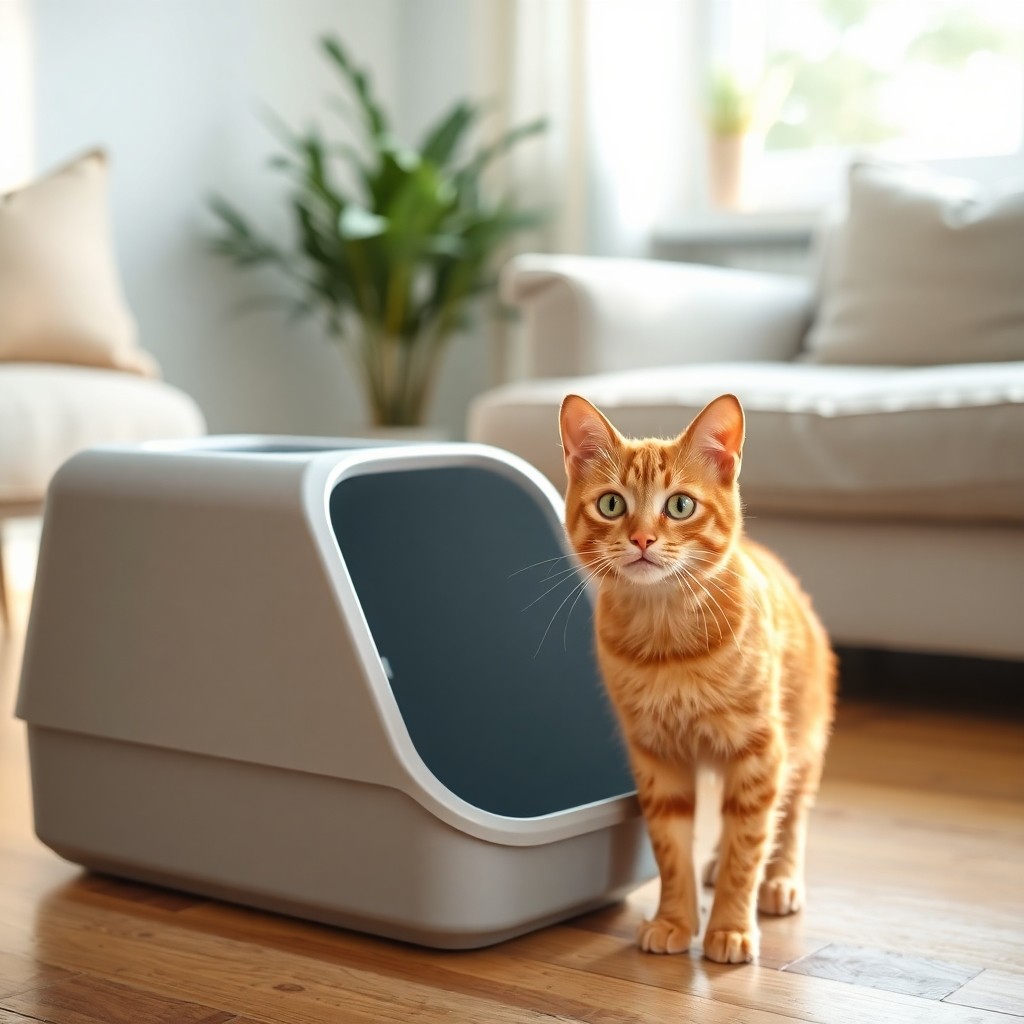
You bought a sleek, covered litter box to keep the room looking tidy and trap the smells, but your cat has decided the rug is a much better option. When a feline suddenly stops using a hooded box, it is rarely out of spite. Instead, they are simply reacting to deep-seated survival instincts and the intense sensory overload of a confined space.
Cats refuse covered litter boxes primarily because the enclosed design traps intense odors, limits their line of sight to detect potential threats, restricts comfortable movement, and makes them feel trapped during a vulnerable moment.
The Survival Instinct: Why Enclosed Spaces Trigger Anxiety
In the wild, cats are both predators and prey. This dual nature means that their survival depends on constant situational awareness. Urinating and defecating are highly vulnerable activities for a cat. When inside a covered litter box, a cat only has one exit route and zero peripheral vision.
If another household pet, a child, or a sudden loud noise blocks that single exit, the cat feels entirely cornered. For many felines, the fear of being trapped outweighs their desire to use a designated bathroom spot, leading them to seek out open spaces like rugs, sofas, or houseplant soil where they can maintain a 360-degree view of their surroundings.
The Sensory Trap: Trapped Odors and Ammonia Buildup
A cat’s sense of smell is roughly 14 times stronger than a human’s. While a hood keeps litter odors away from human noses, it works like a dome that seals in ammonia gases, dust, and fecal odors. Steping into a covered box that has been used even once can feel like stepping into an unventilated public portable toilet for your cat.
Furthermore, dust from clay litters cannot easily escape a hooded dome. When a cat kicks and digs, they are forced to inhale these fine particles, which can irritate their sensitive respiratory system and lead to a negative association with the litter box.
Physical and Ergonomic Constraints
Many commercially available covered litter boxes are simply too small. A cat needs to be able to enter the box, turn completely around, dig a shallow hole, squat comfortably, and cover their waste without their spine or tail rubbing against the ceiling or sides of the dome.
If your cat is forced to hunch down or crouch uncomfortably, they will quickly decide that the box is not worth the physical strain. This is especially true for senior cats suffering from arthritis, who require easy entry and plenty of room to stretch while doing their business.
How to Fix the Issue: A Practical Action Plan
Correcting this behavior requires adjusting the environment to match your cat’s natural preferences rather than forcing them to adapt to yours. Use this structured approach to restore harmony to your home:
- Remove the Hood Immediately: The fastest way to test if the cover is the issue is to pop the top off. Leave the base of the box in the exact same location. Many cats will immediately return to using the box once the ceiling is gone.
- Upgrade to a High-Sided Open Box: If you are worried about litter scatter or urine spraying, do not use a hood. Instead, purchase an open-top box with high side walls (at least 8 to 10 inches tall) while keeping a low entry point at the front.
- Follow the N+1 Rule: Always provide one more litter box than the number of cats in your home. If you have one cat, you need two boxes placed in different rooms. This reduces the risk of territory guarding in multi-cat households.
- Switch to Low-Dust, Unscented Litter: Avoid heavily perfumed litters that try to mask odors. Synthetic fragrances combined with an enclosed space are highly repulsive to felines. Opt for natural, unscented, low-dust formulas.
- Optimize Location: Place the open box in a quiet but accessible area. Avoid high-traffic zones, dark basements, or placing the box right next to loud appliances like washing machines.
Common Mistakes to Avoid
When trying to resolve litter box avoidance, avoid these common pitfalls:
- Punishing Your Cat: Never scold, yell, or rub your cat’s nose in an accident. This only increases their anxiety and makes them hide their accidents in even harder-to-reach places.
- Blocking the View: Do not tuck the litter box deep into a tight corner where the cat cannot see what is approaching.
- Assuming it is Behavioral: Always rule out medical issues first. Urination outside the box can be a sign of a urinary tract infection (UTI), bladder stones, or feline interstitial cystitis.
Frequently Asked Questions
Can I train my cat to use a covered litter box?
While some cats tolerate covered boxes if introduced to them as kittens, you cannot easily train an adult cat to override their survival instincts. If a cat feels unsafe or overwhelmed by trapped odors, they will choose physical safety over training.
Why does my cat only use the box when the lid is off?
Without the lid, your cat feels safe because they have a clear escape route and a full view of their environment. Additionally, the open air prevents toxic ammonia fumes and litter dust from building up inside the box.