
Most owners make this critical mistake when trying to stop household cat fights: they plug in a single diffuser and expect instant peace, only to find their cats still fighting weeks later. While synthetic feline facial pheromone diffusers are incredibly effective tools for reducing tension, they are not magic erasers for deep-rooted behavioral conflicts. To successfully restore harmony, you must understand how these chemical signals work, deploy them strategically, and combine them with targeted behavioral training.
What Are Synthetic Feline Pheromone Diffusers?
Synthetic feline pheromone diffusers are plug-in devices that disperse synthetic replicas of natural cat pheromones to reduce stress, anxiety, and territorial tension in multi-cat households. These odorless vaporizers mimic the soothing messages cats naturally share with each other, helping to block aggressive behaviors and foster mutual tolerance.
How Synthetic Pheromones Work to Reduce Aggression
Cats communicate heavily through scent and chemical signals known as pheromones. When a cat feels safe, it rubs its cheeks against objects, releasing the feline facial pheromone (specifically the F3 fraction). This chemical signature marks the area as safe and secure. Another key chemical messenger is the maternal pheromone, also known as the feline appeasing pheromone, which a nursing mother releases from her mammary area to comfort and bond her kittens.
Synthetic diffusers replicate these exact chemical markers. When plugged into a wall outlet, the heat vaporizes the liquid solution, releasing these calming signals into the air. For hostile cats, receiving these continuous safety messages reduces their overall arousal levels, lowers territorial defensiveness, and helps them perceive their housemates as less of a threat.
A Step-by-Step Action Plan for Deploying Diffusers
To get the maximum benefit from pheromonatherapy, you cannot simply plug a device into any random outlet and hope for the best. Follow this systematic approach to optimize their impact:
- Step 1: Map the Conflict Zones. Observe where your cats have their most frequent standoffs, staring contests, or physical fights. This is where the diffusers need to go. If fights happen in the hallway or near the litter boxes, those are your primary target areas.
- Step 2: Choose the Right Pheromone Type. For active fighting and sibling rivalry, select diffusers that feature the feline appeasing pheromone (maternal replica), as this specifically targets social tension between cats. For general environmental stress, vertical scratching, or urine spraying caused by tension, the F3 facial pheromone replica is highly effective.
- Step 3: Calculate the Required Coverage. A single diffuser typically covers up to 700 square feet of open space. If your home has multiple levels, L-shaped layouts, or heavy doors that remain closed, you will need multiple diffusers to prevent scent gaps.
- Step 4: Keep the Devices Running 24/7. Pheromone therapy relies on consistency. Turning the diffuser off at night or unplugging it when you leave the house breaks the continuous stream of comforting signals, causing your cats’ stress levels to spike again.
- Step 5: Replace Refills Monthly. Most liquid vials last between 30 to 45 days. Set a calendar reminder to change the vial before it empties completely to maintain a stable, stress-free environment.
Common Mistakes to Avoid with Pheromone Diffusers
Even the best behavior plans can fail if the diffusers are used incorrectly. Avoid these common pitfalls to ensure your investment works:
- Plugging diffusers behind furniture: Placing a device behind a couch, under a shelf, or near a curtain blocks the warm air from circulating the pheromones, rendering the unit virtually useless. Keep at least 4 feet of clear space above and around the device.
- Expecting immediate results: Pheromones are not sedatives. They work gradually by lowering baseline anxiety. Most multi-cat households only begin to see a noticeable shift in behavior after 14 to 30 days of continuous use.
- Using them in high-airflow areas: Avoid plugging diffusers directly next to open windows, exterior doors, air conditioners, or powerful air purifiers, as these will draft the synthetic pheromones out of the room before the cats can detect them.
- Ignoring resource competition: Diffusers cannot solve a shortage of resources. If your fighting cats are forced to share one food bowl or one litter box, no amount of synthetic pheromones will stop them from defending their territory.
Integrating Behavioral Training with Pheromonatherapy
Think of synthetic pheromones as a tool that opens a window of opportunity. By lowering your cats’ baseline stress, they become much more receptive to active behavior modification. While the diffusers are running, implement these essential cooperative living strategies:
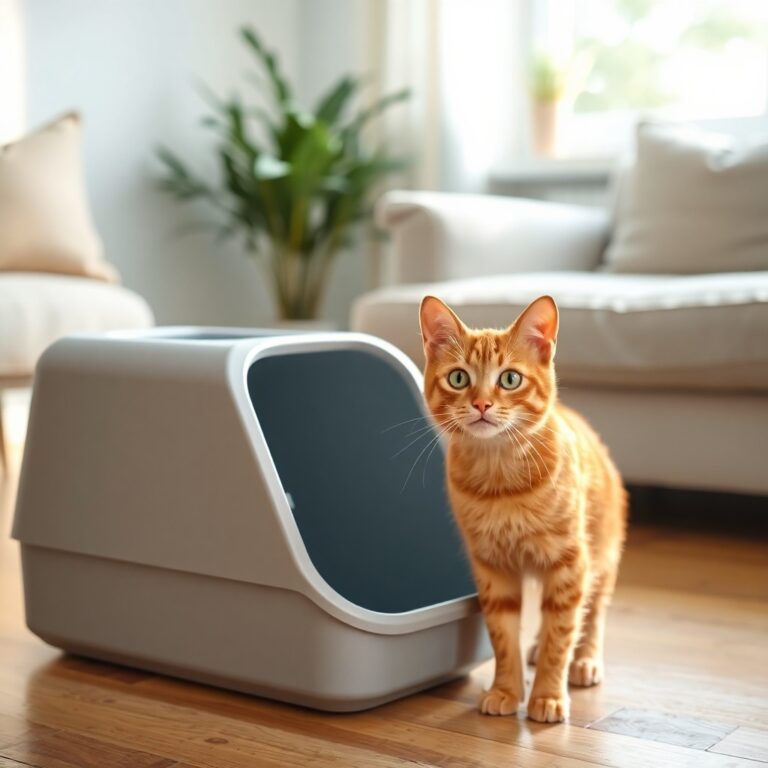
First, optimize resource distribution by following the ‘plus-one’ rule. If you have two cats, you should provide three food stations, three water bowls, and three litter boxes scattered in different locations. This prevents one cat from blocking access to vital resources.
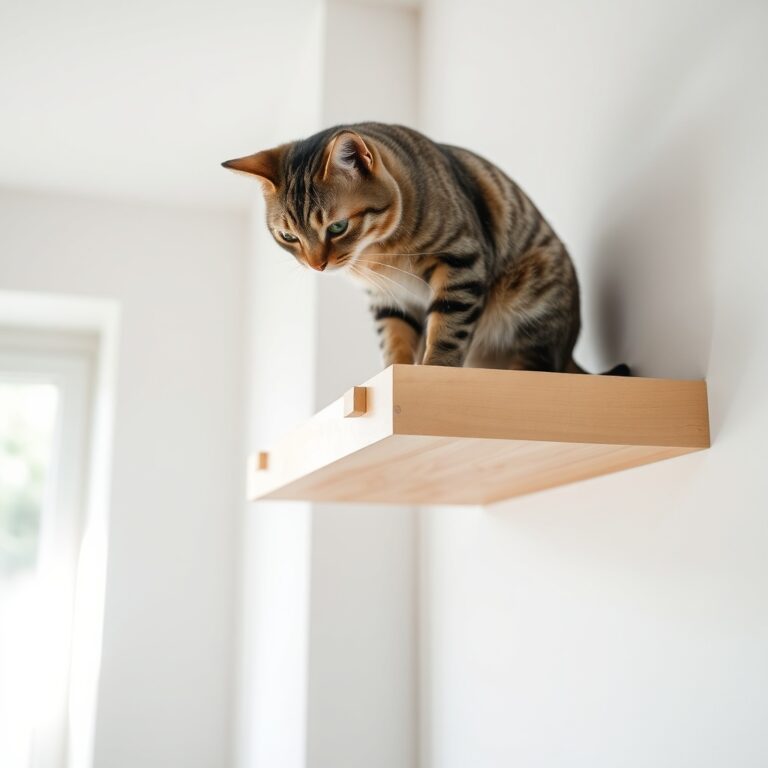
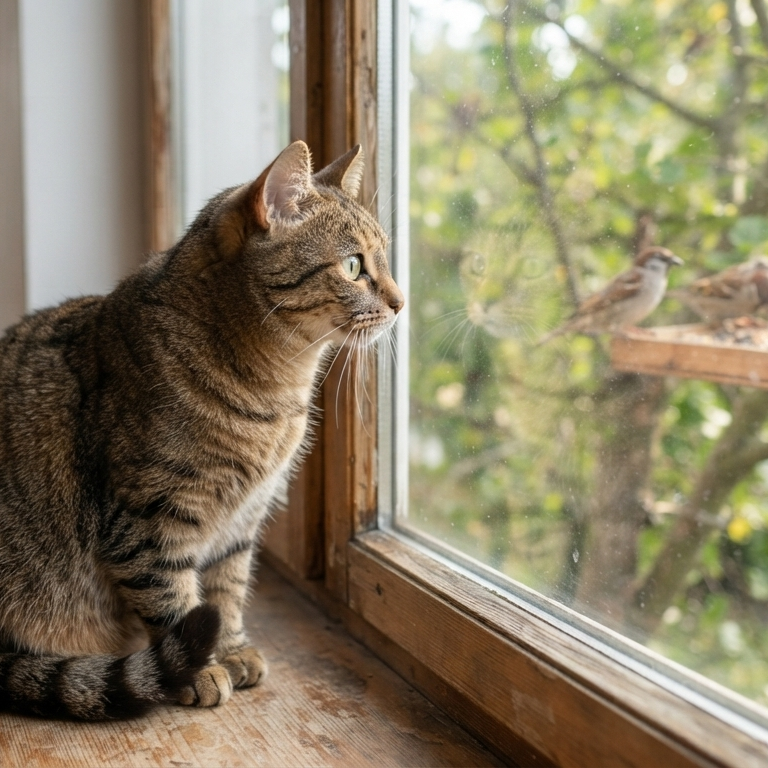
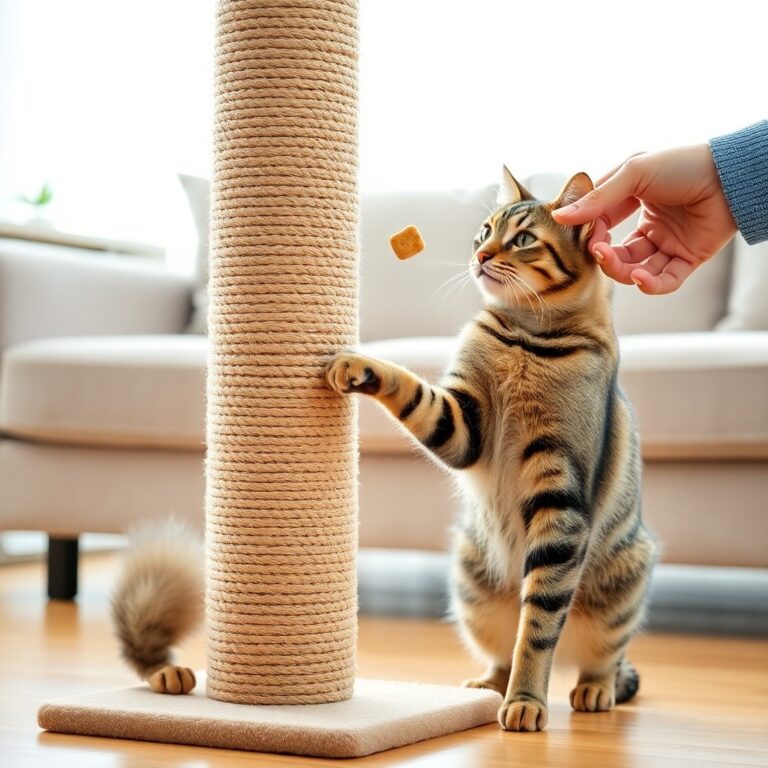
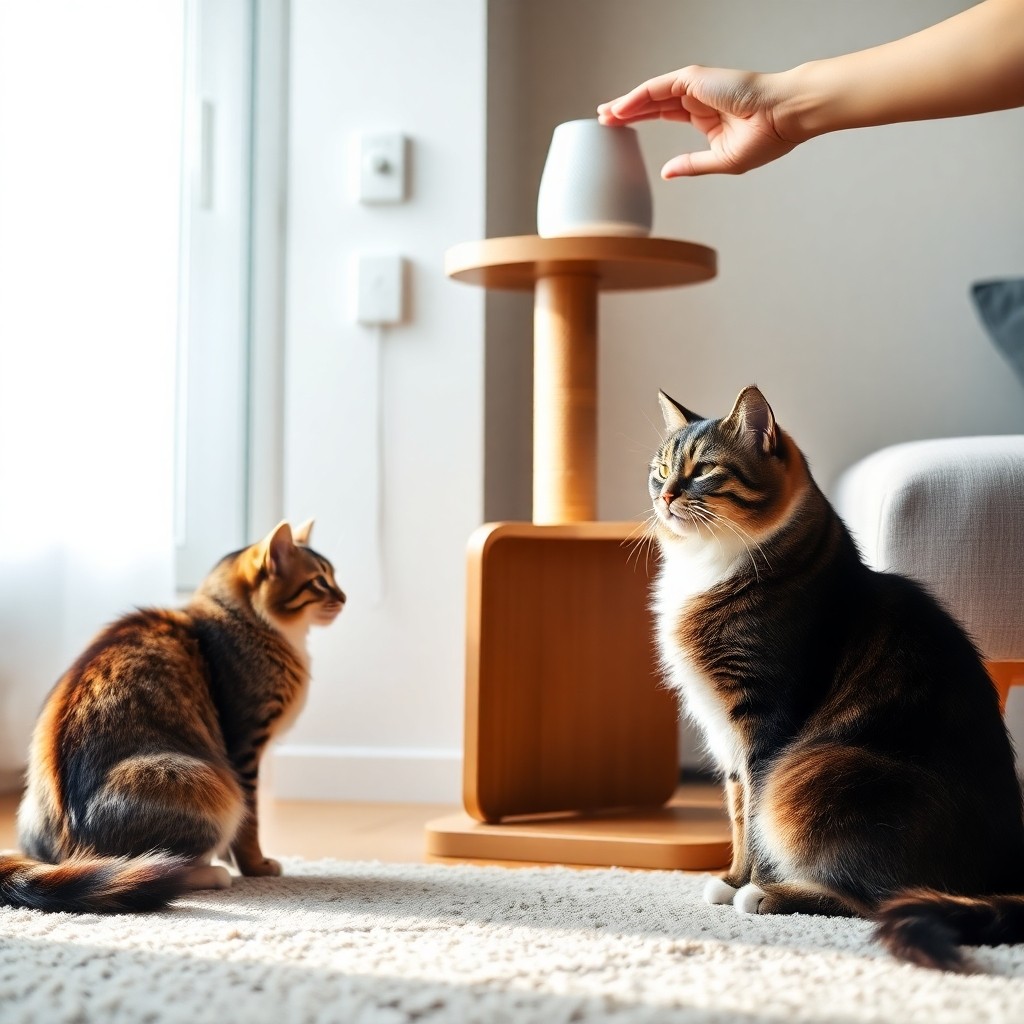
Second, introduce vertical territory. Cats feel safer when they can observe their environment from a high vantage point. Adding cat trees, wall shelves, or window perches allows a passive or fearful cat to navigate the room without having to cross paths directly with an aggressive housemate.
Finally, reward peaceful interactions. Whenever your cats are in the same room without staring, growling, or tense posturing, offer high-value treats. This builds a positive association, teaching them that good things happen when their housemate is nearby.
Frequently Asked Questions
How long do pheromone diffusers take to work?
While some subtle behavioral changes can appear within the first week, it typically takes 2 to 4 weeks of continuous, uninterrupted use to see a significant, long-term reduction in multi-cat aggression and household tension.
Can humans or other household pets smell these diffusers?
No. Synthetic feline pheromones are completely odorless to humans, dogs, and other non-feline pets. They are highly species-specific chemical signals that only cats can detect and interpret.
Should I leave the diffuser plugged in 24/7?
Yes. The diffuser must remain plugged in and active around the clock. Unplugging the device periodically disrupts the concentration of pheromones in the air, which can cause the cats’ anxiety and territorial aggression to return.