
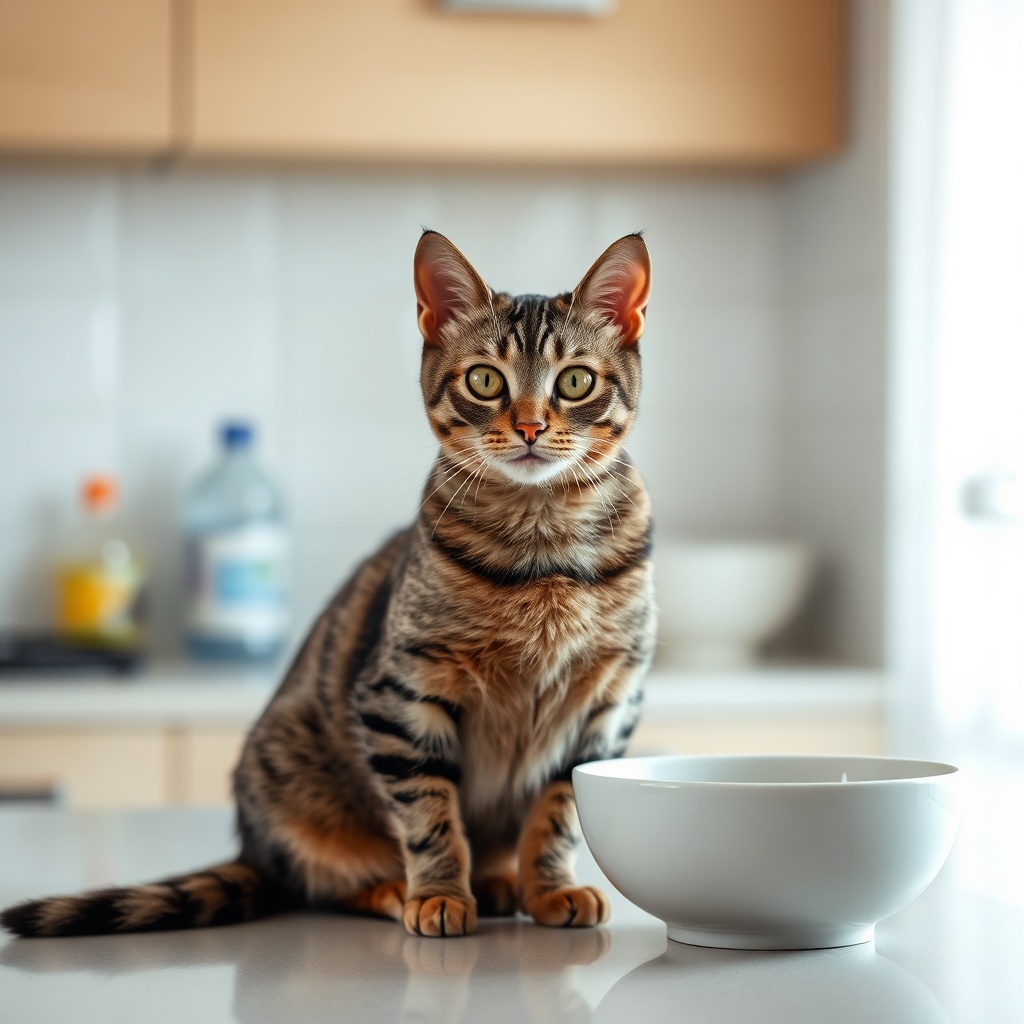
Figuring out the right feeding schedule for your cat is about much more than just filling a bowl twice a day—it is one of the most important factors in keeping them metabolically healthy for life. While letting cats graze all day might seem like the easiest route, how often they eat plays a massive role in preventing serious weight gain and diabetes down the road.
As a general rule, healthy adult cats should be fed at least two times per day, spaced roughly 12 hours apart. However, kittens require up to four to six small meals daily, while senior or medically compromised cats may need customized feeding intervals.
How Feeding Frequency Impacts Feline Biology
Cats are obligate carnivores with a biological blueprint designed for catching and consuming multiple small meals throughout the day. In the wild, a feline would hunt several small rodents or birds, distributing their energy intake across a 24-hour cycle. When domesticated cats are subjected to a single large meal or unlimited access to food, their natural metabolic rhythm is disrupted.
Prolonged fasting periods exceeding 12 hours can cause the feline stomach to become hyperacidic, leading to nausea, bile vomiting, and acid reflux. Conversely, constant grazing prevents the digestive system from entering a resting state, which can alter insulin sensitivity. For owners, this means that leaving a bowl of dry food out all day can lead to silent overeating, which increases the risk of joint stress and feline lower urinary tract diseases (FLUTD).
Feeding Schedules by Life Stage
Nutritional requirements and metabolic rates shift dramatically as a cat ages. Adhering to life-stage-specific feeding frequencies ensures appropriate development and prevents early-onset metabolic issues (AAHA).
Kittens (Up to 6 Months)
Due to rapid bone and muscular development, kittens require a high calorie-to-weight ratio. Their small stomachs cannot hold enough food in one sitting to sustain their energy needs. Kittens should be fed high-quality growth formulas four to six times per day. Spacing these meals evenly prevents hypoglycemia and supports steady growth spikes.
Adolescent and Young Adult Cats (6 Months to 1 Year)
As growth slows, the feeding frequency can be gradually reduced to three meals per day. During this transitional phase, metabolic rates begin to stabilize, making it crucial to monitor body condition scores to prevent excess fat accumulation post-neutering or post-spaying.
Adult Cats (1 Year to 10 Years)
Healthy adult cats thrive on a twice-daily feeding schedule. This routine fits standard household schedules while maintaining stable blood glucose levels. Some veterinary professionals recommend splitting the daily portion into three or four smaller, measured meals using automated feeders to mimic natural hunting patterns more closely.
Senior Cats (11 Years and Older)
Senior felines often experience shifts in digestive efficiency and cognitive health. Some aging cats lose weight due to decreased protein digestibility, while others become highly sedentary and prone to obesity. Senior cats benefit from two to three small, highly digestible meals per day to ease digestion and maintain interest in food.
Standard Feeding Frequency Guidelines
To keep a feline in optimal physical condition, refer to the target ranges below, adapted from standard veterinary nutritional frameworks (WSAVA).
| Life Stage | Daily Feeding Frequency | Est. Daily Caloric Needs (per kg) | Primary Nutritional Focus |
|---|---|---|---|
| Kitten (under 6 months) | 4 to 6 meals | 130 – 200 kcal | Rapid growth, cognitive development, high protein |
| Junior (6 – 12 months) | 3 meals | 80 – 100 kcal | Transition to maintenance, skeletal maturity |
| Adult (1 – 10 years) | 2 meals (minimum) | 60 – 80 kcal | Weight maintenance, urinary tract support |
| Senior (11+ years) | 2 to 3 meals | 50 – 70 kcal | Digestibility, joint health, lean mass retention |
Feeding Methods: Free Feeding vs. Portion-Controlled Meal Feeding
Selecting how food is presented is just as important as how often it is offered. Each method carries specific health implications.
Free Feeding (Ad Libitum)
This method involves leaving dry kibble available at all times. While convenient, it bypasses natural mealtime boundaries. Free feeding often leads to overeating out of boredom, making weight management difficult. It is highly discouraged for multi-cat households where dominant cats may guard the food source, leading to stress and unequal food distribution.
Portion-Controlled Meal Feeding
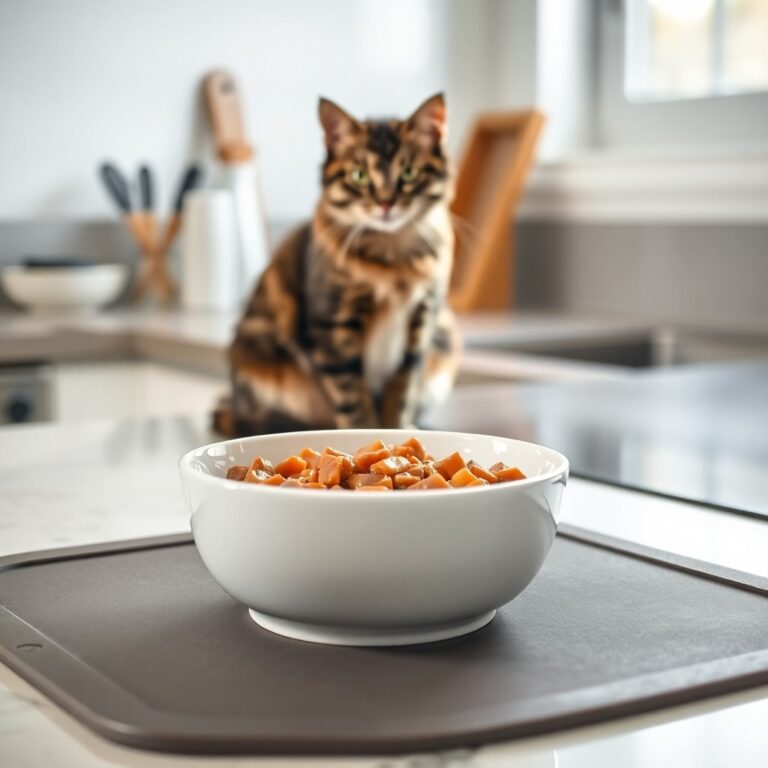
Offering measured portions of wet or dry food at set times of day is the most recommended approach. It allows precise monitoring of food intake, making it immediately obvious if a cat loses its appetite—a primary indicator of underlying illness. Portion control is essential for managing chronic conditions such as diabetes mellitus and chronic kidney disease.
When to Consult a Veterinarian
Changes in feeding frequency, appetite, or weight should never be ignored. Consult a veterinary professional if any of the following clinical signs occur:
- Sudden loss of appetite (anorexia) lasting more than 24 hours, which can trigger hepatic lipidosis in overweight cats.
- Unexplained weight loss despite an increased appetite, which can indicate hyperthyroidism, diabetes, or inflammatory bowel disease.
- Frequent vomiting of food or bile immediately after eating, suggesting food sensitivities or gastrointestinal blockages.
- Polydipsia (excessive drinking) paired with frequent urination.
References
- American Animal Hospital Association (AAHA) Nutritional Assessment Guidelines for Dogs and Cats.
- World Small Animal Veterinary Association (WSAVA) Global Nutrition Committee Guidelines.