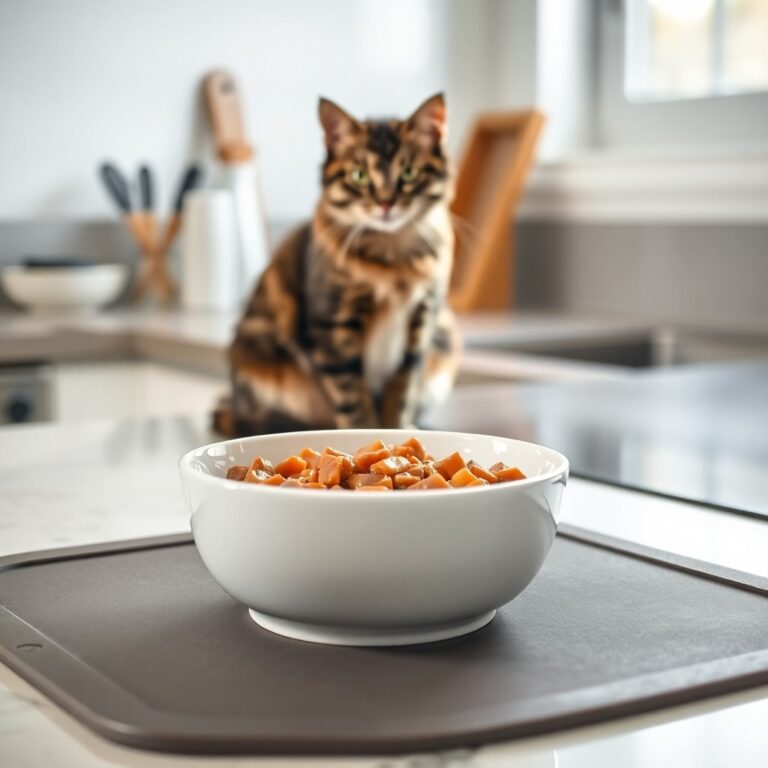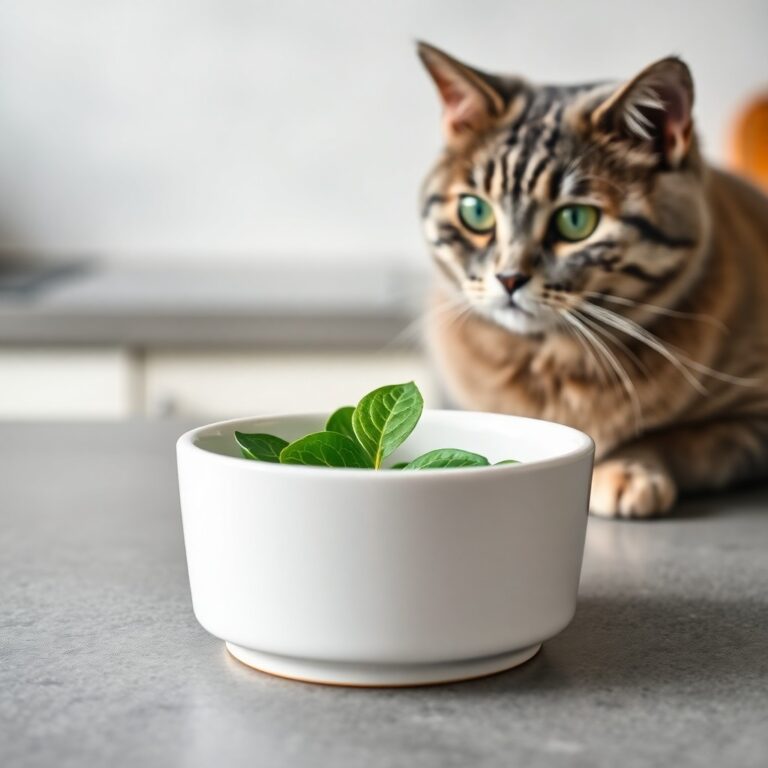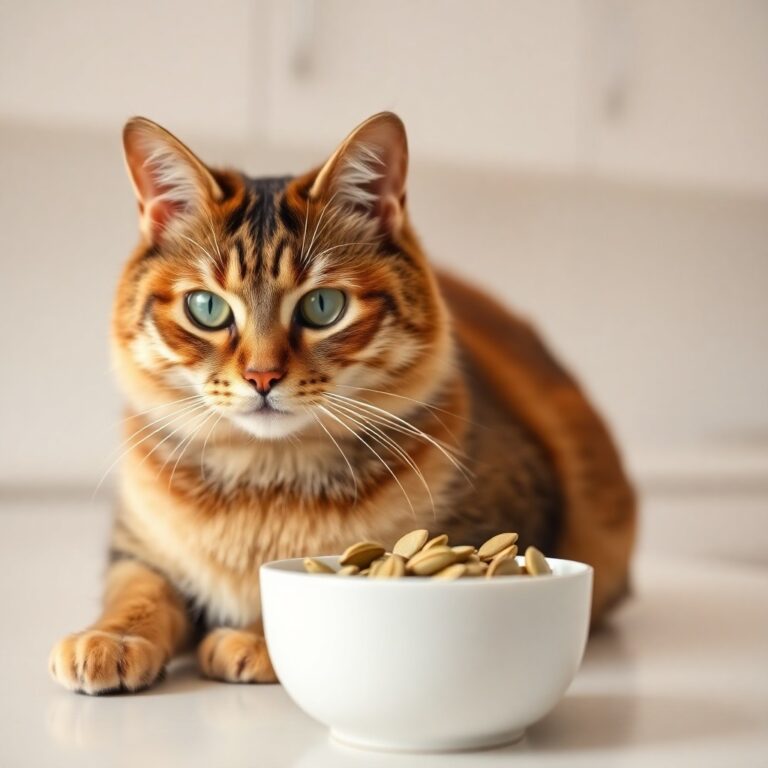

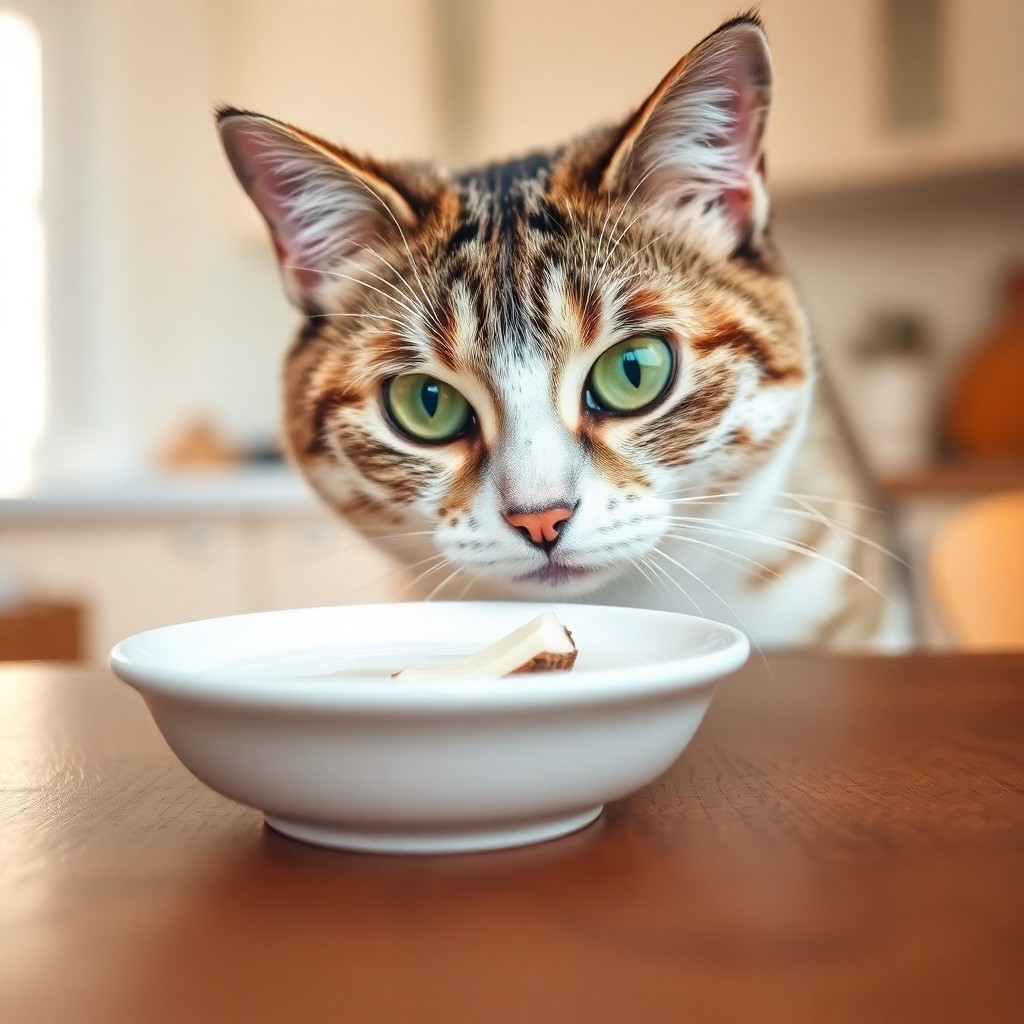
If your cat just licked coconut oil off a spoon or stole a nibble of a stray piece, you can breathe easy—they aren’t facing a medical emergency. Coconut isn’t toxic to felines, so a quick taste won’t lead to poisoning. Still, before you start sharing this tropical snack on the regular, it helps to understand how a cat’s strictly carnivorous digestive system actually handles all those heavy, plant-based fats.
Yes, cats can technically eat coconut in extremely small, infrequent quantities, but it is not recommended as a regular part of their diet. Because cats are obligate carnivores, their bodies are designed to process animal-derived nutrients, and the high concentration of saturated fats and oils in coconut can easily trigger gastrointestinal distress or more severe metabolic issues.
How Feline Digestion Handles Coconut
Unlike humans or dogs, cats lack the specific liver enzymes and metabolic pathways required to efficiently process large amounts of plant matter and medium-chain triglycerides (MCTs). Their digestive systems are structurally optimized for high-protein, moderate-fat diets sourced entirely from prey.
When a cat consumes coconut, the sudden influx of plant lipids can overwhelm the pancreas and intestines. For owners, this means that even a seemingly tiny portion of coconut meat or oil can lead to immediate digestive discomfort, marked by loose stools, gas, or mild abdominal pain.
The Health Risks of Coconut for Cats
While a microscopic taste of coconut is unlikely to cause lasting harm, regular ingestion presents several distinct veterinary concerns:
- Gastrointestinal Distress: The rich oils and high fiber content in raw coconut meat often act as a laxative in felines, leading to diarrhea and vomiting.
- Pancreatitis: The pancreas produces enzymes to break down dietary fats. An overload of saturated fats from coconut can trigger pancreatic inflammation (pancreatitis), a painful and potentially life-threatening condition requiring emergency veterinary intervention.
- Weight Gain and Obesity: Coconut is exceptionally calorie-dense. Frequent feeding can quickly lead to unwanted weight gain, placing unnecessary strain on a cat’s joints and cardiovascular system.
- Hyperkalemia (High Potassium): Certain forms of coconut, particularly coconut water, are packed with potassium. Excessively high potassium levels in a cat’s bloodstream can disrupt cardiac function and lead to serious heart issues.
Evaluating Different Forms of Coconut
Not all coconut products impact a cat’s body in the same way. Review this breakdown to understand the specific risks associated with each form:
| Coconut Form | Safety Status | Primary Veterinary Concern |
|---|---|---|
| Raw Meat | Avoid / Limit strictly | High fat and fiber content; potential choking hazard. |
| Coconut Oil | Use with caution | Extremely high calorie density; can cause diarrhea or pancreatitis. |
| Coconut Water | Do not feed | Excessively high potassium levels; risk of electrolyte imbalance. |
| Coconut Milk (Unsweetened) | Do not feed | Too rich and fatty; often contains artificial thickeners or additives. |
Coconut Meat and Flakes
Fresh coconut meat and dried coconut flakes are dense in fats and indigestible fiber. Shredded coconut purchased from grocery stores often contains added sugars, which are incredibly unhealthy for felines and can accelerate dental decay and obesity. Additionally, large chunks of raw coconut meat pose a physical choking hazard or can cause a foreign body obstruction in the narrow feline esophagus.
Coconut Oil
Coconut oil is sometimes suggested as a home remedy for hairballs or dry skin. While some owners use it topically to soothe minor skin irritations, oral ingestion should be highly restricted. If used to assist with hairballs, the dosage must never exceed a tiny fraction of a teaspoon, and only under direct veterinary guidance. For owners, this means treating coconut oil as a targeted, short-term therapeutic agent rather than a daily dietary supplement.
Coconut Water and Milk
Coconut water must never be offered to cats. Because it is highly enriched with potassium, it can rapidly upset the delicate electrolyte balance in a cat’s bloodstream, posing a severe threat to pets with pre-existing kidney disease. Similarly, commercial coconut milk is far too rich, containing processed fats and stabilizers that are highly incompatible with feline digestion.
Safest Feeding Practices and Guidelines
According to international nutritional guidelines (WSAVA), treats and non-balanced dietary additions should make up no more than 10% of a cat’s daily caloric intake. If choosing to share a taste of coconut, adhere to these strict safety protocols:
- Consult Your Vet First: Always discuss any human foods with a licensed veterinarian before introducing them, particularly if the cat has a history of sensitive stomach issues, diabetes, or kidney disease.
- Keep Portions Microscopic: A safe portion of coconut meat is no larger than half of a human fingernail. For coconut oil, a tiny smudge on the tip of a finger is the absolute maximum.
- Monitor Closely: After offering a tiny taste, observe the cat for 24 hours. Watch for any signs of lethargy, changes in stool consistency, or decreased appetite.
When to Seek Veterinary Assistance
If a cat accidentally consumes a significant amount of coconut, coconut milk, or coconut oil, keep a close watch for adverse reactions. Contact a veterinary clinic immediately if any of the following clinical signs emerge:
- Repeated vomiting or retching
- Severe, watery, or greasy diarrhea
- Abdominal pain (the cat may guard its stomach, hiss when touched, or assume a hunched posture)
- Extreme lethargy or refusal to eat for more than 12 hours
Frequently Asked Questions
Can I use coconut oil on my cat’s dry skin?
Yes, pure organic coconut oil can be applied topically to minor patches of dry skin or cracked paw pads. However, apply it sparingly and massage it in thoroughly. Cats will instinctively lick off any excess product, which can lead to the digestive issues and calorie overload outlined above.
Is sweetened coconut safe for cats?
No, sweetened coconut products are highly unsuitable for cats. Felines do not possess sweet taste receptors, meaning they cannot enjoy the sugary flavor, and the added sugars put them at high risk for digestive upset, dental issues, and long-term metabolic strain.
Can coconut cure a cat’s hairballs?
While the lubricating properties of coconut oil can occasionally help pass hairballs, it is not the safest or most effective option. Specially formulated veterinary hairball remedies or fiber supplements are much safer, as they do not carry the same high risks of pancreatitis and excessive caloric intake.
References
- World Small Animal Veterinary Association (WSAVA) Global Nutrition Guidelines.
- American Animal Hospital Association (AAHA) Nutritional Assessment Guidelines for Dogs and Cats.
- Merck Veterinary Manual – Gastrointestinal Diseases of Small Animals.