
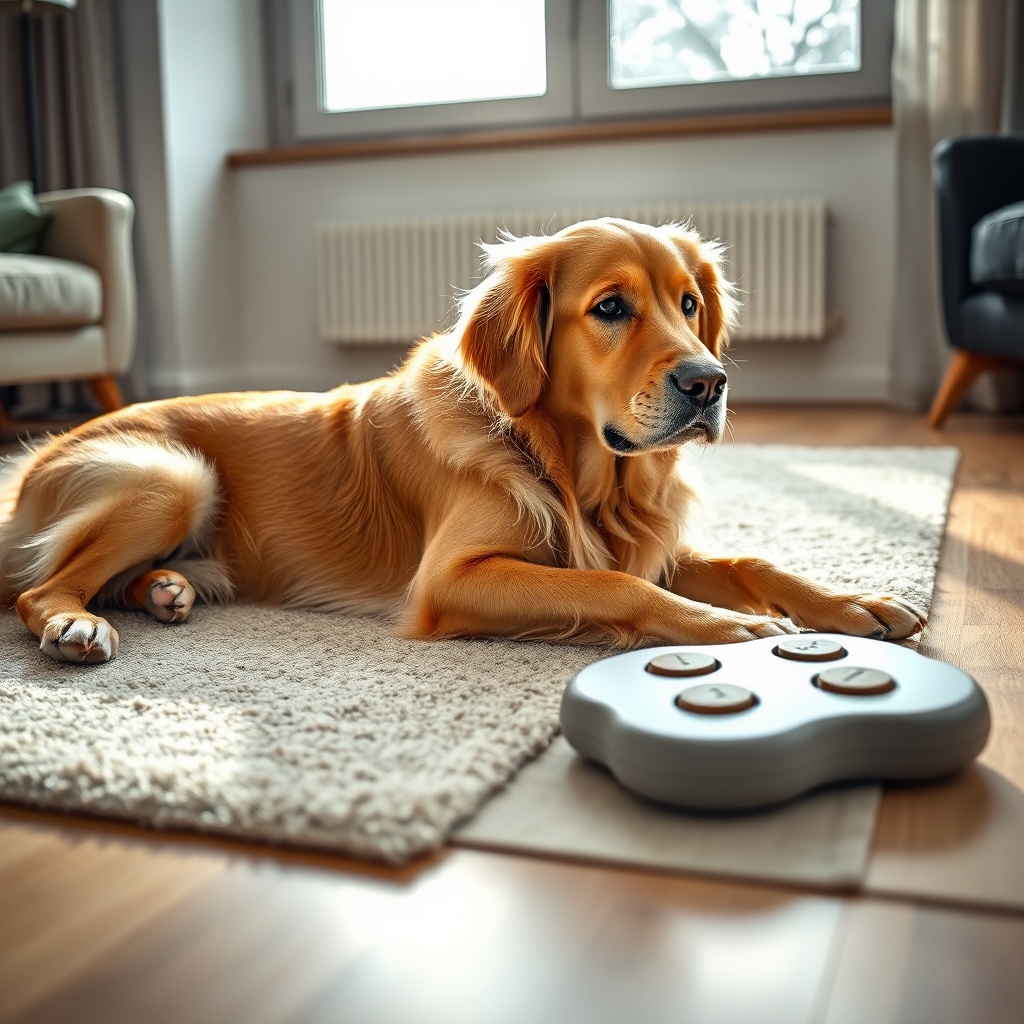
Juggling a standard eight-hour workday while sharing your home with a dog usually requires a bit of daily choreography. While our canine companions are remarkably adaptable, stretching their solo time too far can quickly lead to household destruction, bathroom accidents, and quiet distress.
As a general rule, healthy adult dogs should not be left alone for more than 4 to 6 hours, while young puppies require potty breaks and human interaction every 1 to 3 hours depending on their age. Senior dogs typically need to go outside every 2 to 4 hours due to age-related physical declines.
The Hourly Breakdown by Life Stage
A dog’s capacity for solitude depends heavily on developmental milestones, physical maturity, and cognitive health. To keep your pet safe and comfortable, refer to these realistic age-based limits:
- Puppies (Under 6 Months): 1 to 3 hours. A puppy’s physical bladder capacity is extremely limited. The general rule of thumb is one hour of bladder control per month of age. A three-month-old puppy should never be left alone for more than three hours without a potty break.
- Adult Dogs (1 to 7 Years): 4 to 6 hours. Although many healthy adult dogs can physically hold their bladder for up to eight hours, doing so regularly can cause urinary tract infections or urinary crystals. More importantly, dogs are social pack animals who require mental engagement and social contact to thrive.
- Senior Dogs (8+ Years): 2 to 4 hours. Aging dogs often suffer from conditions such as canine cognitive dysfunction, weakening sphincter control, or arthritis. This makes long stretches of isolation physically painful and mentally distressing.
Crucial Factors Determining Solo Safety Limits
Age is not the only metric to consider. Several variables influence how comfortable your dog will remain during your absence:
1. Physical Bladder Capacity
A dog forced to hold their urine for too long faces genuine physical discomfort. Over time, this practice stretches the bladder muscles and leads to bacterial buildup, increasing the risk of painful urinary tract infections (UTIs).
2. Mental and Social Stimulation Needs
Boredom is the root cause of many destructive behaviors. When a dog has no outlet for their energy, they create their own entertainment, which often manifests as chewing furniture, scratching doorways, or endless barking.
3. Pre-existing Separation Anxiety
For dogs suffering from clinical separation anxiety, even five minutes of isolation can trigger a panic attack. These dogs require systematic desensitization training before they can be safely left alone for any length of time.
Step-by-Step Guide to Training Your Dog for Alone Time
Building your dog’s tolerance for solitude requires patience and a highly structured approach. Follow these steps to build confidence in your pet:
Step 1: Establish a Dedicated Safe Zone
Designate a specific, puppy-proofed area of your home, such as a cozy crate, a playpen, or a spare room. Equip this area with a comfortable bed, fresh water, and safe, durable toys.
Step 2: Begin with Micro-Absences
Step into your designated safe zone, then step out, closing the door or gate behind you. Return immediately before your dog has a chance to whine or pace. Reward quiet behavior with a calm treat. Repeat this process, gradually increasing the time from five seconds to one minute.
Step 3: Gradually Extend the Duration
Slowly build up to 5 minutes, then 15 minutes, then an hour. If your dog begins to show signs of distress, you have moved too fast. Return to the previous successful duration and progress more slowly.
Step 4: Introduce High-Value Distractions
Right before you walk out the door, offer your dog a safe puzzle toy stuffed with frozen peanut butter or wet food. This creates a positive association with your departure and keeps their brain occupied during the critical first twenty minutes of isolation.
Common Mistakes to Avoid When Leaving Your Dog
Many well-meaning owners accidentally reinforce the exact behaviors they are trying to prevent. Avoid these critical mistakes to ensure a peaceful environment for your dog:
- Making Departures and Arrivals Highly Dramatic: Showering your dog with emotional goodbyes and high-energy reunions signals that your absence is a major, stressful event. Keep departures and arrivals entirely neutral and low-key.
- Skipping Morning Exercise: A dog with pent-up physical energy is far more likely to experience anxiety and engage in destructive chewing. Always provide a vigorous walk or play session before leaving them.
- Using the Crate as Punishment: If your dog associates their crate with negative experiences, putting them there when you leave will trigger instant panic. The crate must always remain a positive, voluntary sanctuary.
- Neglecting to Provide Mental Outlets: Leaving a dog with nothing to do is an open invitation for anxiety. Always leave interactive, chew-safe toys to keep their minds focused on rewarding tasks.
Frequently Asked Questions
Can a dog stay alone for 8 hours?
While some adult dogs can physically manage 8 hours alone occasionally, it is not recommended on a daily basis. Doing so increases the risk of bladder infections and often leads to behavioral issues like destructive chewing or excessive barking due to social deprivation and boredom.
What happens to a dog left alone too long?
Dogs left isolated for excessive periods can develop separation anxiety, depression, and compulsive behaviors. Physically, they may suffer from urinary tract issues, dehydration, or accidental injuries sustained from trying to escape or chewing unsafe household objects.
Should I leave a light or TV on for my dog?
Leaving a television or radio playing at a low volume can provide comforting ambient noise that masks sudden outdoor sounds, reducing alert barking. Keeping a light on is also beneficial if you will be away after dark, preventing your dog from waking up in pitch darkness, which can cause confusion and disorientation.