
If a dog seems indifferent to their water bowl, acting quickly can prevent serious clinical complications—but there is no need to panic. To tell if your dog is drinking enough water daily, check their gums (which should be wet and slippery, not dry or sticky) and perform a skin elasticity test by gently lifting the skin between their shoulder blades to see if it snaps back instantly. Healthy dogs generally require approximately 1 ounce (30 milliliters) of water per pound of body weight each day to maintain metabolic balance (AAHA).
The Daily Hydration Baseline: How Much Water Does a Dog Need?
Water is the foundation of every cellular function in the canine body. It facilitates nutrient absorption, regulates body temperature, cushions vital joints, and flushes metabolic waste through the kidneys. When fluid intake drops below what is lost through panting, urinating, and salivating, dehydration begins.
According to veterinary guidelines (WSAVA), a dog’s base water requirement is closely tied to their body weight, though variables such as activity level, ambient temperature, and diet play a significant role. Dogs fed a wet food diet will naturally drink less raw water because canned food is comprised of up to 78% moisture, whereas dry kibble contains only about 10% moisture.
To help monitor daily intake, the table below outlines target ranges for sedentary to moderately active dogs eating a dry kibble diet:
| Dog Weight (lbs / kg) | Target Daily Water Intake (Ounces) | Target Daily Water Intake (Milliliters) |
|---|---|---|
| 10 lbs / 4.5 kg | 10 oz | 300 ml |
| 25 lbs / 11.3 kg | 25 oz | 740 ml |
| 50 lbs / 22.7 kg | 50 oz | 1,480 ml |
| 75 lbs / 34 kg | 75 oz | 2,220 ml |
| 100 lbs / 45.4 kg | 100 oz | 2,960 ml |
Three Simple DIY Hydration Tests to Do at Home
Veterinarians rely on physical markers to assess hydration. Owners can easily replicate these three clinical diagnostic checks at home to monitor their pet’s status.
1. The Skin Turgor (Elasticity) Test
Gently grasp a fold of loose skin between your dog’s shoulder blades, pull it upward slightly, and then let it go. In a well-hydrated dog, the skin will instantly snap back flat against the body. If the skin is slow to return to its original position or remains standing up in a tent-like shape, the dog is experiencing moderate to severe dehydration.
The Layman’s Translation: For owners, this means that hydrated skin has high elasticity and bounces back like a rubber band, while dehydrated skin loses its snap and moves slowly, like thick dough, because the tissues lack fluid.
2. The Gum Moisture & Capillary Refill Test
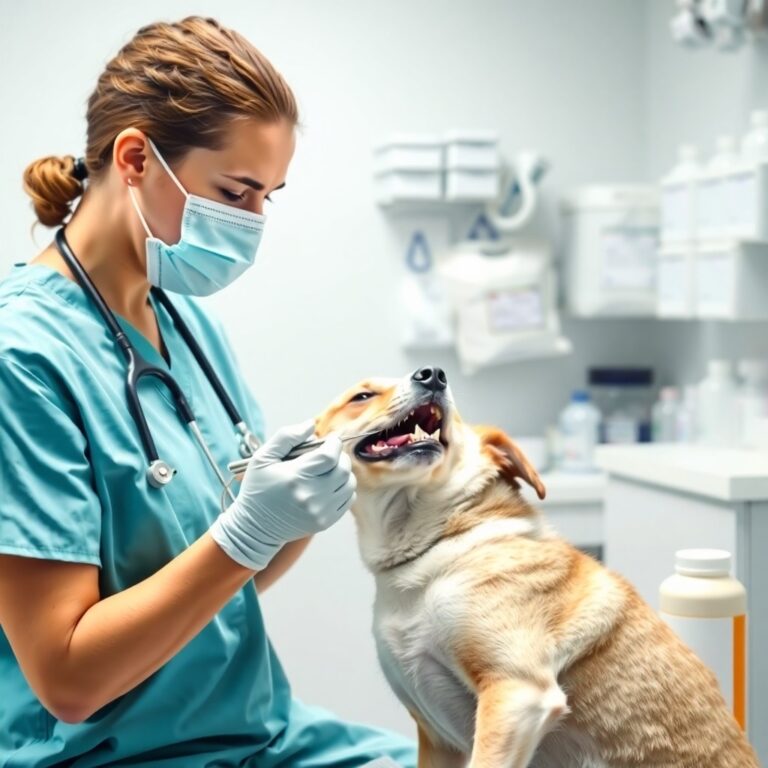
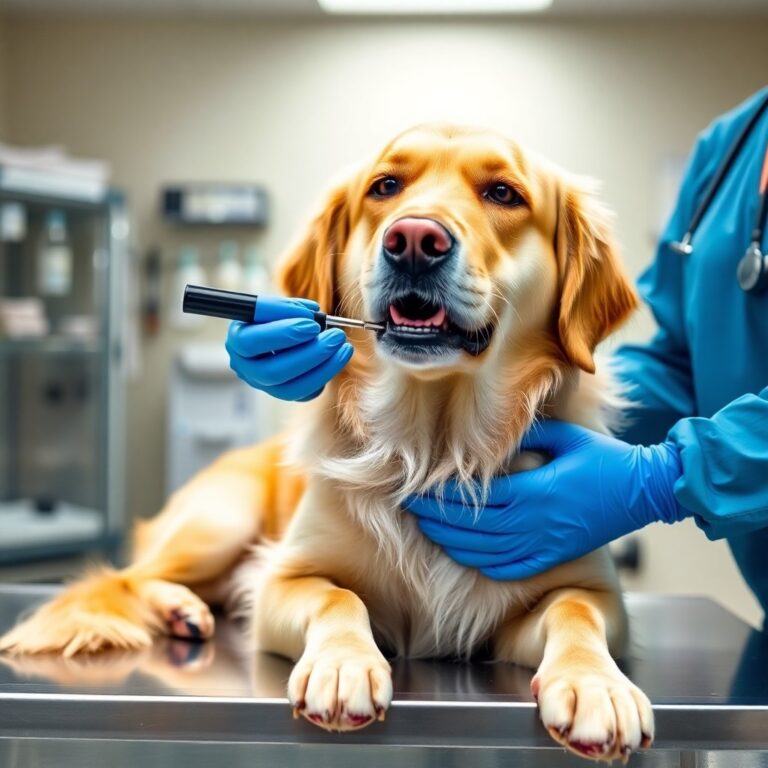
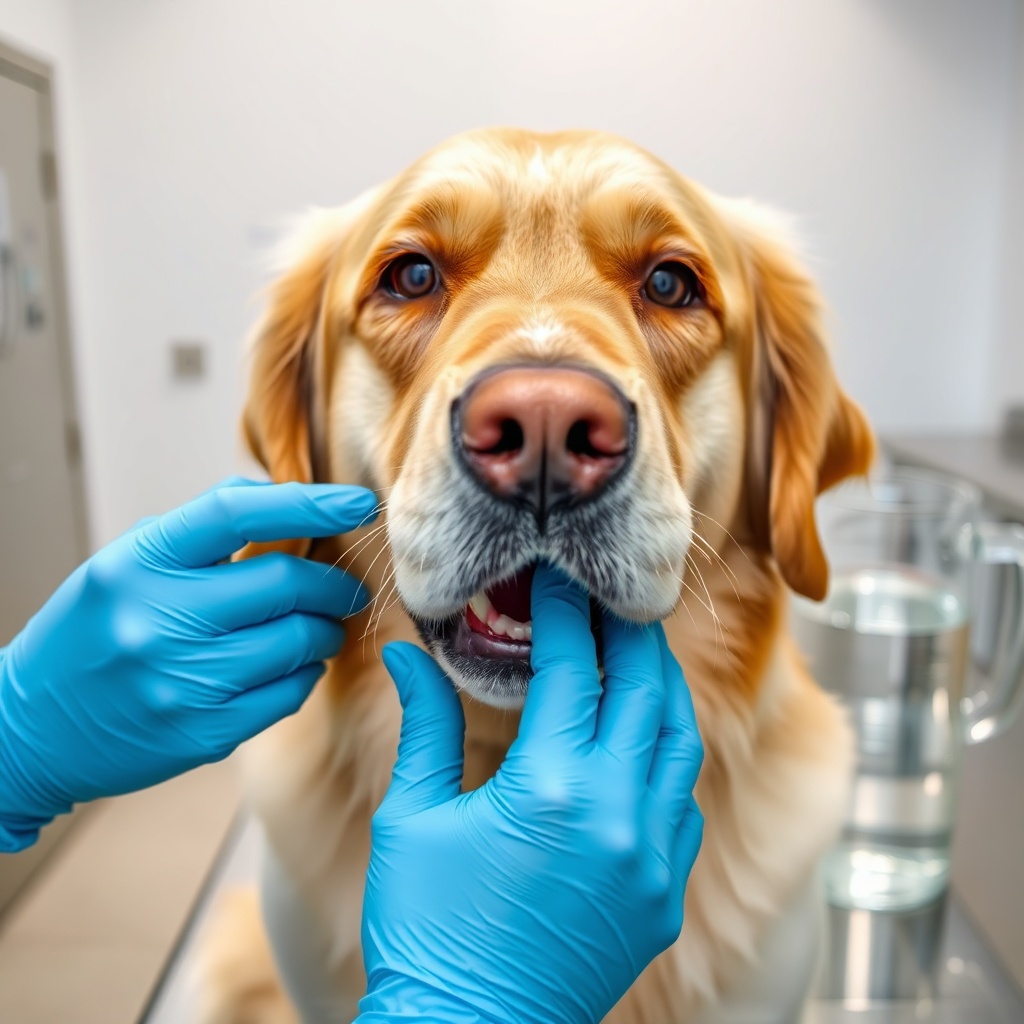
Lift your dog’s upper lip to inspect their gums. Healthy gums should be pink, wet, and slippery to the touch. If the gums feel dry, tacky, or sticky, the dog is dehydrated. Next, perform the Capillary Refill Time (CRT) test: press your index finger firmly against the gum tissue until it turns white, then release. The color should flush back to a healthy pink in under two seconds.
The Layman’s Translation: For owners, this means that if you press your dog’s gum and it remains white or pale for more than two seconds, their circulatory system is struggling to pump blood efficiently due to low overall fluid volume in the body.
3. The Eye and Saliva Assessment
Observe your dog’s facial features. Well-hydrated dogs have bright, moist, alert eyes. Dehydrated dogs often display dull, sunken, or dry-looking eyes. Additionally, observe their saliva; thick, stringy, or excessively pasty drool indicates that the body is conserving water by reducing salivary gland secretions.
Subtle Behavioral Signs of Low Water Intake
Physical tests are vital, but behavioral changes often provide the first warning signs that a dog’s water intake has fallen short. Watch closely for these progressive indicators:
- Uncharacteristic Lethargy: A lack of physical energy or a sudden disinterest in playing, walking, or interacting.
- Persistent Dry Panting: Panting heavily when the ambient temperature is cool and the dog has not engaged in physical exercise.
- Loss of Appetite: A sudden reluctance to eat dry food, as swallowing dry kibble requires significant saliva production, which a dehydrated dog cannot support.
Practical Methods to Encourage Daily Hydration
If your dog is healthy but simply stubborn about drinking water, several simple environmental changes can boost their daily fluid consumption.
- Transition to Wet Food: Incorporating canned formulas or adding warm water directly to their dry kibble increases hydration during mealtime.
- Install a Pet Fountain: Many dogs are instinctively drawn to moving water. Running water from a fountain keeps the supply aerated, cool, and highly appealing.
- Add a Splash of Flavor: Mix a tablespoon of low-sodium, onion-free bone broth into their water bowl to create an enticing aroma and taste.
- Strategic Bowl Placement: Place multiple fresh water bowls in different quiet rooms throughout the home, especially for older dogs who may suffer from joint pain and avoid long walks to a single water source.
When to Seek Immediate Veterinary Intervention
While mild dehydration from an active day can often be corrected at home, severe dehydration is a life-threatening medical emergency. If your dog exhibits dry, pale gums, persistent vomiting, diarrhea, extreme weakness, or if they refuse to drink fluids for more than 24 hours, contact a veterinary clinic immediately. Intravenous (IV) or subcutaneous fluids administered by a veterinary professional are often required to safely restore balance and protect vital organ function.
References
American Animal Hospital Association (AAHA) Canine Life Stage Guidelines.
World Small Animal Veterinary Association (WSAVA) Nutritional Assessment Guidelines.