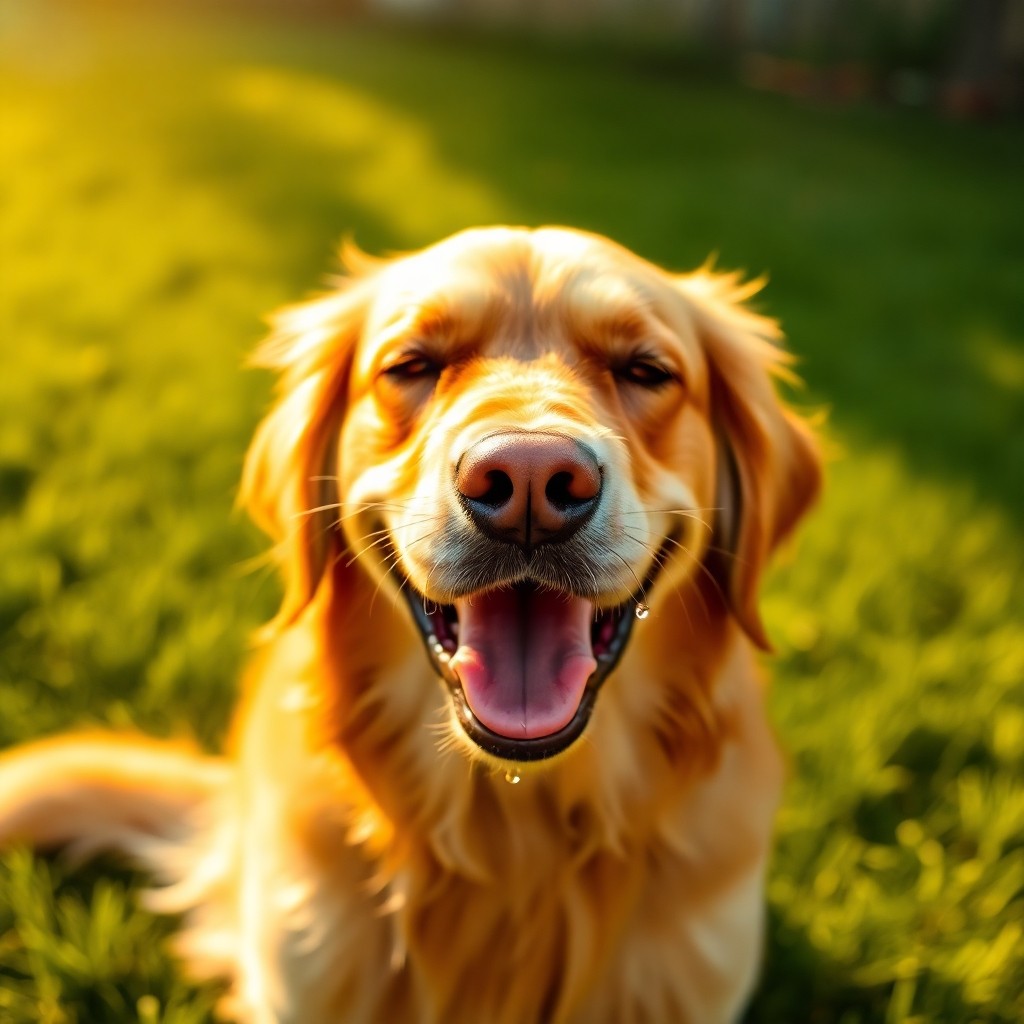
When your dog starts throwing dramatic sneezes mid-play, it’s easy to wonder if they’ve suddenly caught a cold or are reacting to backyard dust. But as it turns out, those enthusiastic bursts have nothing to do with allergies—they are actually one of the clearest signals your happy pup can send.
Dogs sneeze when excited as a form of non-threatening communication known as ‘play sneezing.’ This is a natural canine signal used to show other dogs (and humans) that their high-energy behavior is purely playful, safe, and not aggressive.
The Psychology of the ‘Play Sneeze’
Dogs are masters of body language, using everything from tail wags to play bows to communicate their intentions. When play becomes intense, wrestling, growling, and chasing can easily be misinterpreted by other dogs as actual aggression. To prevent misunderstandings, dogs use ‘play sneezing’ as a calming signal.
Think of it as a canine peace offering or a way of saying, ‘Hey, I am having fun, so do not take this growl seriously!’ It is particularly common in puppies and highly social breeds during vigorous play sessions or when they welcome their owners home after a long day.
Physical Triggers During Excitement
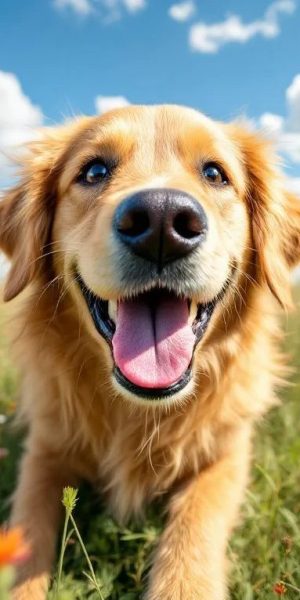
While play sneezing is primarily a communication tool, there are also physical reasons why excitement triggers a sneeze. When a dog gets excited, their heart rate increases, their breathing becomes rapid, and they tend to curl their upper lips in a happy ‘play smile.’
- Nasal Wrinkling: Curling the upper lip during play naturally pinches the nasal passages, tickling the delicate lining of the nose and triggering a sneeze reflex.
- Sniffing the Ground: Excited dogs often sniff the ground rapidly, accidentally inhaling dust, pollen, or grass particles that stimulate a physical sneeze.
- Rapid Breathing: Fast, shallow panting can dry out the nasal membranes, causing a sudden tickle that the dog clears with a quick sneeze.
How to Identify a Play Sneeze
Distinguishing between behavioral play sneezing and a medical issue is simple once you know what to look for. Normal play sneezes are dry, short, and occur exclusively during periods of high arousal, greeting, or play. As soon as the dog calms down, the sneezing stops entirely.
In contrast, medical sneezing is persistent and occurs regardless of the dog’s emotional state. If your dog is sneezing while resting, or if the sneezing is accompanied by nasal discharge, watery eyes, lethargy, or coughing, it is likely linked to allergies, a foreign object in the nasal passage, or an upper respiratory infection.
Reverse Sneezing vs. Play Sneezing
Another common phenomenon that occurs during excitement is reverse sneezing. Unlike a standard outward sneeze, a reverse sneeze sound like a sudden, alarming honking or choking noise. This happens when the soft palate becomes irritated, causing a temporary spasm that pulls air rapidly inward.
While reverse sneezing can look and sound terrifying to owners, it is generally harmless. If your dog experiences a reverse sneeze episode due to excitement, you can help them calm down by gently massaging their throat or briefly covering their nostrils to encourage them to swallow and clear the irritation.
When to Consult a Veterinarian
While excited play sneezing is perfectly normal, you should keep an eye out for clinical symptoms that suggest a deeper issue. Contact your veterinarian if you observe any of the following signs:
- The sneezing is continuous and does not stop when the dog calms down.
- There is thick, yellow, green, or bloody discharge coming from the nose.
- Your dog is repeatedly shaking their head or pawing at their snout, which indicates a foreign object like a foxtail grass seed may be stuck inside.
- The sneezing is accompanied by a persistent cough, fever, or loss of appetite.
Frequently Asked Questions
Do all dog breeds play sneeze?
Yes, all dog breeds are capable of play sneezing, though it is more common in smaller breeds and brachycephalic (flat-faced) dogs like Pugs and Bulldogs. These breeds have shorter nasal passages, making them more sensitive to physical tickles when their faces wrinkle during play.
Can a dog sneeze on purpose?
To some extent, yes. While the physical sneeze is a reflex, dogs utilize it voluntarily as a communication tool to de-escalate play tension or get their owner’s attention when they are feeling happy and playful.
Why does my dog sneeze when looking directly at me?
This is often a sign of deep connection and excitement. Your dog is likely trying to communicate their joy at seeing you, showing that they are in a friendly, playful mood and ready to interact.