
You can walk your dog for a solid hour, only to come home and watch them immediately start chewing the sofa or pacing the floor. Physical exercise is only half the battle when it comes to keeping a dog settled. In fact, just ten minutes of focused mental stimulation often tires a dog out far more effectively than pounding the pavement. When destructive habits like digging and barking start creeping into your daily routine, your dog isn’t acting out—they are simply looking for a job to do.
To quickly stop dog boredom in your backyard, combine basic agility structures like DIY hurdles and weave poles with scent-tracking games and puzzle feeding. This dual approach of physical coordination and mental problem-solving rapidly drains excess energy, curbs destructive behaviors, and strengthens your bond.
Setting Up Your DIY Backyard Agility Course
You do not need to spend hundreds of dollars on professional training equipment to challenge your dog’s athletic agility. In fact, building a course from household items is safer for beginners and highly customizable to your dog’s size. Start with these three simple setups:
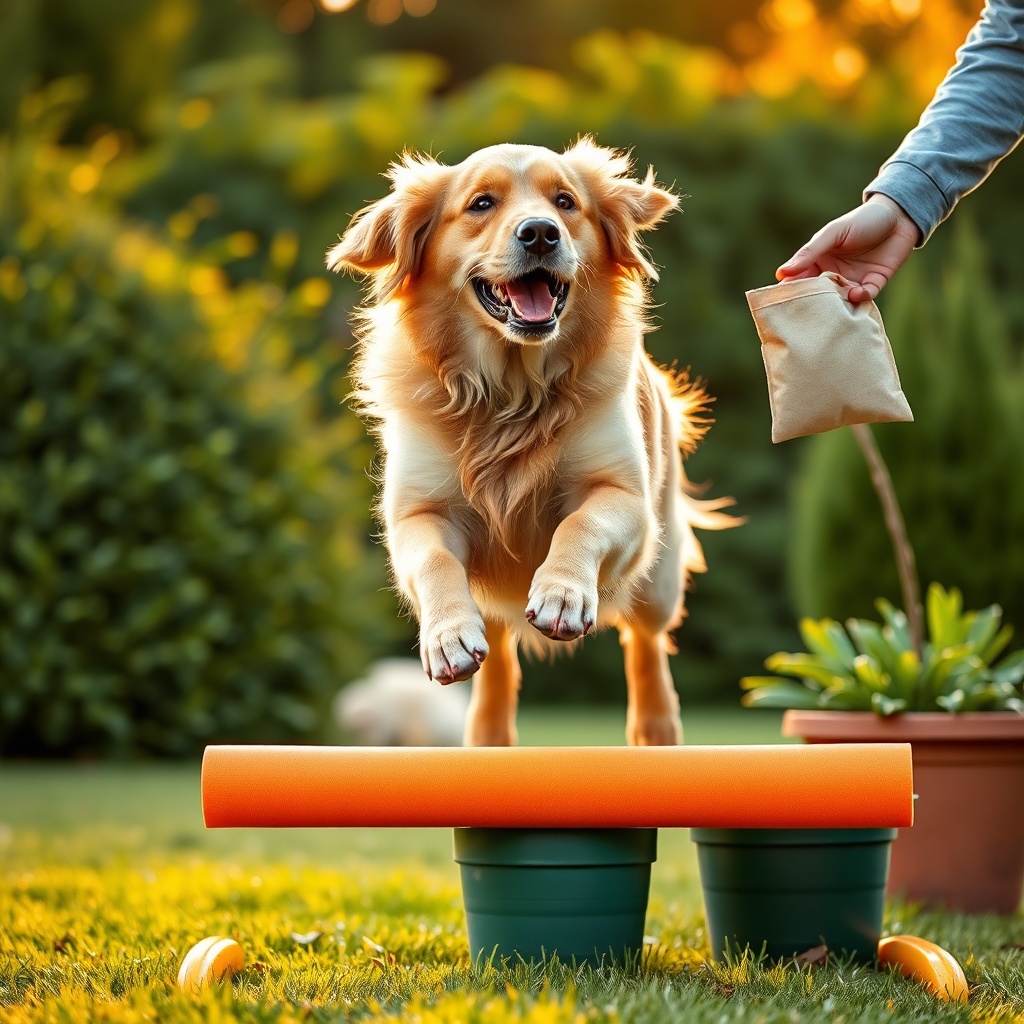
1. The Pool Noodle Hurdle
Rest a lightweight pool noodle across two sturdy plastic flower pots or cardboard boxes. This ensures that if your dog misjudges the height and hits the bar, the noodle will fall away harmlessly without causing injury or fear. Keep the height extremely low at first—just a few inches off the ground—and lure your dog over with a high-value treat.
2. The DIY Weave Poles
Push four to six plastic garden stakes or vertical cones into the grass, spacing them roughly two feet apart. Guide your dog slowly through the poles in a serpentine pattern using a treat held close to their nose. This exercise requires high coordination and works the core muscles, which is incredibly tiring for their brain.
3. The Laundry Basket Tunnel
For small-to-medium dogs, cut the bottom out of a large, flexible plastic laundry basket, or drape a light bedsheet over two patio chairs to create a short, non-threatening tunnel. Have a helper stand at the far end with a treat while you gently encourage your dog to step through the dark space.
Brain Games for Intense Mental Stimulation
Physical exercise alone can actually build up your dog’s cardiovascular endurance, meaning they will require more and more exercise to tire out. To truly stop boredom, you must integrate brain games that trigger their natural instincts.
The Backyard Scent Trail
A dog’s sense of smell is their primary way of understanding the world. Tap into this power by locking your dog inside while you drag a smelly treat, like a piece of hot dog or freeze-dried liver, along the grass in a winding path. Hide the treat behind a tree or patio chair at the end of the trail. Release your dog and command them to ‘find it’. Watch as their brain works overtime processing the scent trail.
The Muffin Tin Puzzle
Place a dozen high-value treats into the cups of an old metal muffin tin. Cover each cup with a tennis ball. Place the tin on your lawn and let your dog figure out how to nudge the tennis balls out of the way with their nose or paws to retrieve the treats. This simple game builds problem-solving resilience and prevents fast eating.
Common Backyard Training Mistakes to Avoid
To keep these games positive, safe, and effective, avoid these frequent training pitfalls:
- Setting hurdles too high: Forcing a dog to jump high heights before they have built core joint strength can lead to soft tissue injuries. Keep bars low and focus on form over height.
- Lacking high-value rewards: Kibble rarely cuts it when competing with the distractions of the outdoors. Use small bites of plain chicken, cheese, or freeze-dried meat to keep their focus absolute.
- Overworking your dog: Ten to fifteen minutes of structured backyard play is plenty. Watch for signs of heavy panting, slower movement, or loss of interest, and end the game on a high note before they burn out.
- Forcing a fearful dog: If your dog is afraid of a specific obstacle, such as a tunnel, never force them through it. Build positive associations slowly by placing treats near the entrance and praising any voluntary interaction.
Frequently Asked Questions
How long should a backyard play session last?
Keep training sessions short and energetic, ideally between 10 to 15 minutes. It is much better to have two short, highly engaging sessions a day than one long session that leaves your dog exhausted and frustrated.
Can puppies participate in backyard agility?
Yes, but with strict safety limits. A puppy’s growth plates are not fully closed until they are 12 to 18 months old. Avoid any high jumping or sharp, high-speed twisting. Focus purely on flat-ground work, like walking slowly through weave poles or stepping over pool noodles flat on the grass.
What if my dog has no food motivation?
If your dog is not interested in treats, use a favorite toy as the ultimate reward. A quick game of tug-of-war or a brief fetch throw can serve as a highly effective reward for completing an agility obstacle or puzzle game.