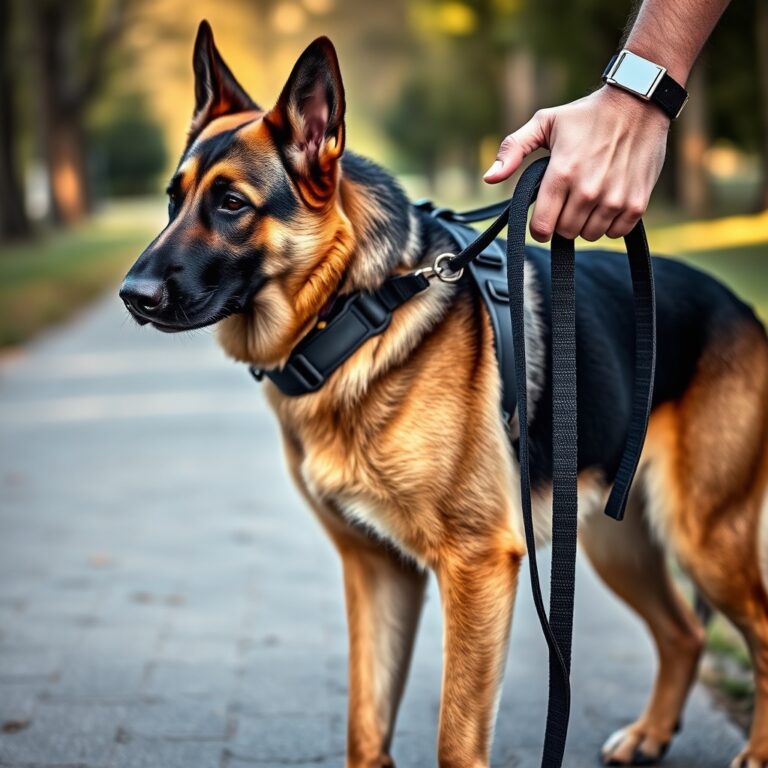

One sudden tug on a squirrel’s trail can leave you standing on the sidewalk holding an empty leash while your dog bolts. While the immediate reaction is usually to yank the buckle a notch tighter, a standard collar often fails simply because of canine anatomy and panic, requiring a smarter approach than just squeezing it on.
Dogs keep slipping out of their collars primarily because of a physical mismatch—such as a neck wider than their head—or because they perform a ‘backing up’ motion when panicked, which easily slides a standard flat collar over their ears. Understanding whether this is a gear issue or a behavioral reflex is the key to keeping your dog secure during walks.
The Main Reasons Your Dog Escapes Their Collar
When a dog suddenly backs out of its collar, it is rarely a random event. Usually, a combination of physics, anatomy, and instinct is at play. Here are the three primary reasons behind this frustrating safety hazard:
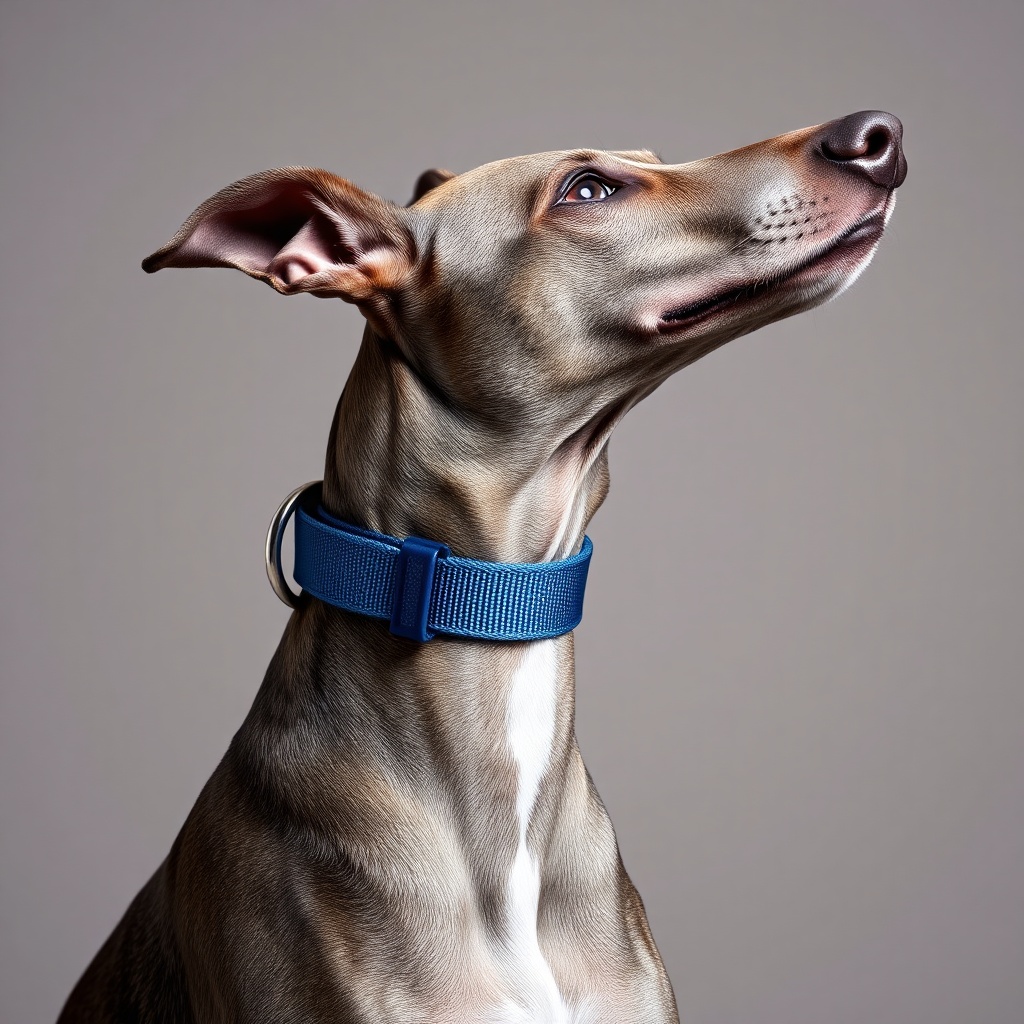
- Anatomical Proportions: Certain breeds, such as Greyhounds, Whippets, Bulldogs, and Pugs, have necks that are equal to or wider than their heads. Without a distinct taper where the head widens, a standard collar can easily slide off with minimal resistance.
- The Backing-Up Maneuver: When a dog gets startled, their natural flight instinct is to lower their head, tuck their ears back, and pull backward. This specific motion flattens the ears and slides the collar forward over the skull.
- Improper Gear Fit and Wear: Over time, nylon and leather collars stretch, or the sliding adjusters loosen. If you can fit more than two fingers flat underneath your dog’s collar, it is too loose to prevent an escape.
Comparing Escape-Prevention Gear Options
Resolving this issue requires transitioning from standard walking gear to specialized equipment designed to resist backing-out maneuvers. The table below compares the most effective options available for escape artists.
| Gear Type | Best For | Security Level | Primary Advantage |
|---|---|---|---|
| Martingale Collar | Sighthounds & mild backers | Moderate to High | Tightens evenly under tension without choking. |
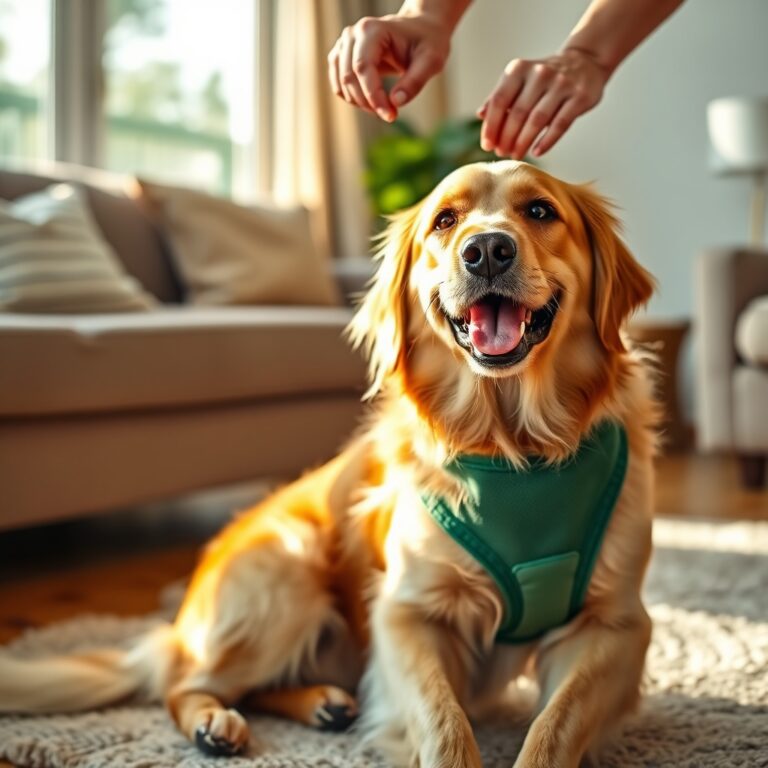
| Y-Shaped Harness | General walking & active dogs | Moderate | Distributes pressure away from the neck. |
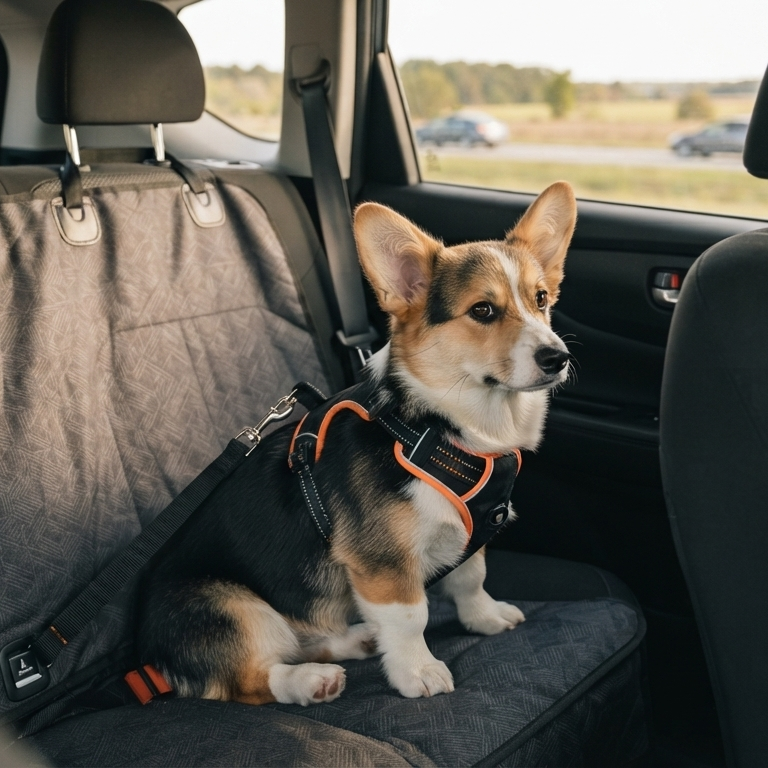
| Three-Strap Escape-Proof Harness | Severe escape artists & fearful dogs | Extreme | A third strap sits behind the ribcage, preventing backward slippage. |
Pros and Cons of Specialized Walking Gear
Every piece of gear has its ideal use case. Reviewing the pros and cons of each will help you select the safest option for your dog’s specific body shape and behavior pattern.
1. The Martingale Collar
Originally designed for sighthounds, the Martingale collar features a dual-loop system. When the dog pulls back, the tension pulls the small loop taut, which gently tightens the main collar loop to prevent it from slipping over the ears.
- Pros: Highly effective for narrow-headed dogs; prevents choking by distributing pressure evenly; lightweight for daily wear.
- Cons: Should not be left on unsupervised as the loop can catch on furniture or branches; does not prevent pulling behavior.
2. Three-Strap Escape-Proof Harness
Unlike standard harnesses that only have straps around the neck and chest, an escape-proof harness features a third strap that sits further back on the dog’s abdomen. Because the abdomen is narrower than the ribcage, it is anatomically impossible for the dog to pull backwards out of this harness.
- Pros: Virtually impossible to slip out of; ideal for highly anxious, rescue, or reactive dogs; distributes force across the entire torso.
- Cons: Bulkier to put on; requires careful adjustment of all five points to ensure it does not rub or chafe the skin.
How to Verify a Safe and Correct Fit
Even the best gear will fail if adjusted incorrectly. Follow these simple steps to ensure your dog’s collar or harness is secure before your next walk:
- The Two-Finger Rule: For standard collars, you should be able to slide exactly two fingers flat between the collar and your dog’s neck. If you can fit three or more, or if your fingers can turn sideways, it is too loose.
- The Collar-to-Head Test: With the collar buckled, gently try to pull it forward over your dog’s ears. If it slips over the jawline even slightly without force, tighten the collar or switch to a Martingale.
- Harness Sternum Fit: Ensure the front Y-strap of a harness sits on the dog’s breastbone, not up on the windpipe. The side straps should sit at least two inches behind the armpits to prevent chafing.
Frequently Asked Questions
Can a dog wear a Martingale collar all the time?
No, dogs should not wear Martingale collars unsupervised. The tightening loop can easily catch on crates, fencing, or other dogs during play, posing a serious strangulation hazard. Use a standard flat collar for ID tags at home, and switch to the Martingale only for walks.
Why does my dog pull backward when scared?
Pulling backward is an instinctual flight response. When startled by a loud noise, a vehicle, or an unfamiliar object, a dog naturally tries to create distance between themselves and the threat. Lowering the head and backing up is the fastest way for them to run away, which inadvertently causes standard collars to slip off.