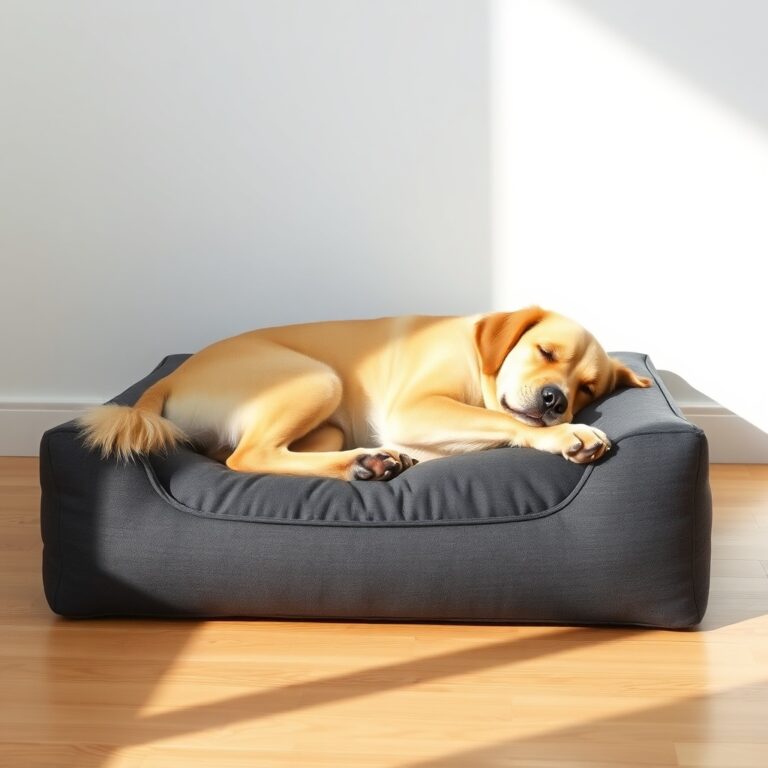

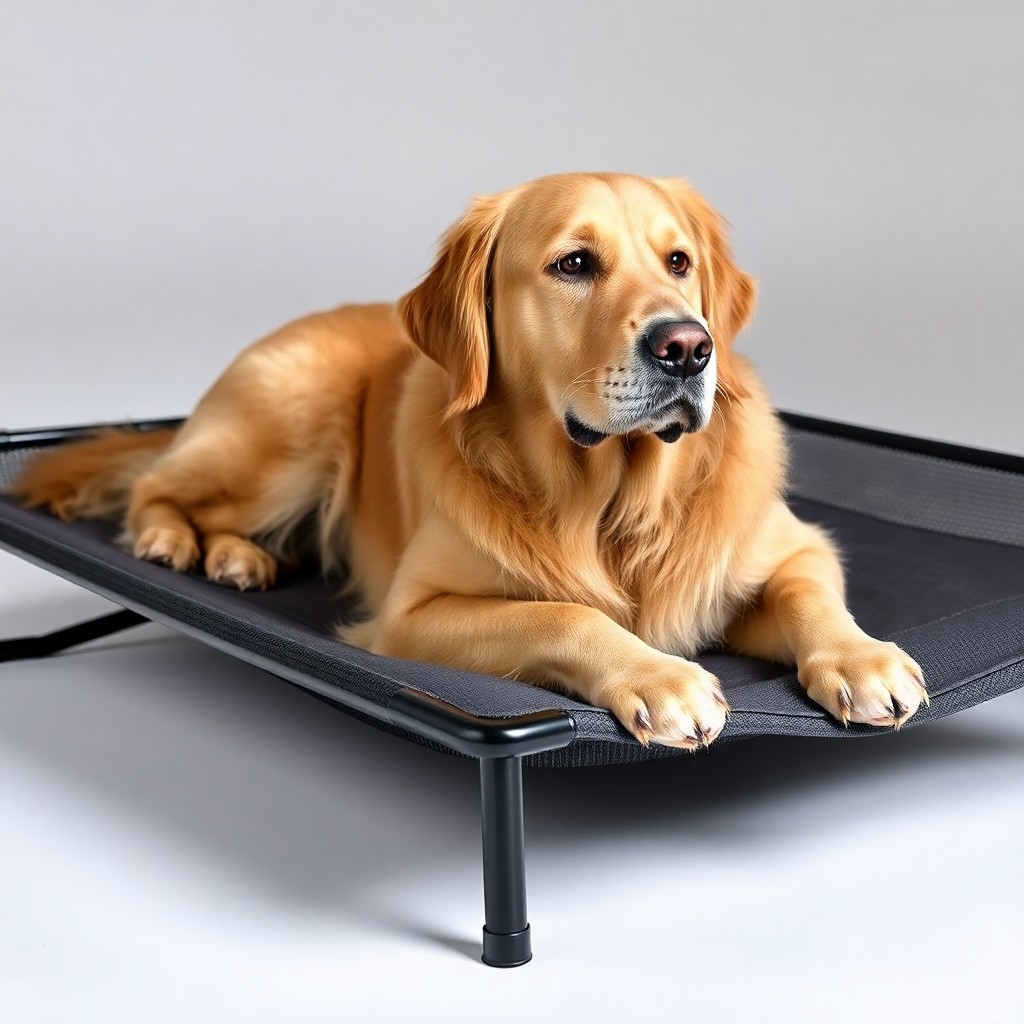
Watching your aging dog struggle to get up from the floor is a familiar heartbreak for any pet parent. When it comes to soothing their stiff joints, choosing the right sleeping surface—whether that is an elevated mesh cot or a thick orthopedic memory foam pad—suddenly feels like a high-stakes decision. While raised beds offer great airflow and effortless entry, they can actually introduce unexpected physical hurdles for a senior dog dealing with arthritis or muscle loss, making it essential to weigh how these designs truly impact an aging body.
Is an Elevated Bed Safe for Your Aging Dog?
Yes, senior dogs can sleep on a raised bed, but only if they have mild joint stiffness, can step onto it easily, and the bed is paired with a supportive orthopedic pad. For senior dogs with advanced arthritis, vestibular disease, or severe hind-limb weakness, traditional low-profile orthopedic memory foam beds are generally a safer and more supportive option because they eliminate the risk of slipping or tripping while stepping up.
The Benefits of Raised Beds for Senior Dogs
Raised beds, often constructed with a metal or plastic frame and a taut mesh fabric, offer unique mechanical and environmental advantages for senior canine companions. Understanding these benefits can help you decide if this style matches your dog’s current mobility levels.
- Easier Transitions (No Deep Squatting): For a dog with mild arthritis, the hardest part of the day is often rising from a flat floor. A raised bed acts like a platform, allowing them to step off the bed rather than haul their entire body weight up from ground level.
- Temperature Regulation: Senior dogs often struggle to regulate their body temperature. The under-bed airflow of a raised cot keeps them cool in the summer and elevates them off drafty, cold floors during the winter.
- Joint Pressure Relief: The suspended mesh fabric evenly distributes body weight, eliminating the hard pressure points on elbows, hips, and shoulders that occur when a dog bottoms out on a cheap polyester-filled bed.
- Hygiene and Allergen Control: Elevated cots do not trap dust mites, dander, or moisture, making them an excellent choice for senior dogs with age-related skin sensitivities or respiratory issues.
The Risks and Drawbacks for Aging Pets
Despite their benefits, raised beds are not a universal cure-all. For certain senior dogs, these structures can present distinct physical hazards.
The primary concern is the stepping-up motion. If a dog suffers from severe hind-end weakness or vestibular (balance) issues, navigating even a three-to-six-inch height differential can cause them to trip, slip, or lose their footing. The slippery nature of bare mesh fabrics can also cause a dog’s paws to splay as they attempt to stand, causing immediate stress to arthritic hips.
Furthermore, standard raised beds lack the targeted, dense contouring of high-grade memory foam. While the mesh prevents bottoming out, it does not cradle sore joints the way specialized orthopedic foam does, which can leave dogs with severe osteoarthritis feeling stiff after long sleeps.
Raised Beds vs. Orthopedic Memory Foam Beds
To help you weigh your options, this comparative breakdown highlights how these two popular sleeping surfaces stack up against key senior care criteria:
| Care Criteria | Raised Mesh Bed | Orthopedic Memory Foam Bed |
|---|---|---|
| Pressure Point Relief | Moderate (Suspended tension reduces pressure) | Excellent (Contours specifically to joints) |
| Ease of Getting Up | Excellent for mild stiffness (No deep squat) | Moderate (Soft foam can sometimes feel sinky) |
| Slipping & Fall Risk | Higher (Slippery mesh, raised stepping edge) | Very Low (Flat, low-profile to the floor) |
| Temperature Control | Excellent (Continuous 360-degree airflow) | Variable (Can trap heat unless gel-infused) |
| Washability & Incontinence | Very Easy (Can be hosed down instantly) | Moderate (Requires waterproof liners/covers) |
How to Choose: A Senior Dog Bed Checklist
If you decide to purchase a raised bed for your senior dog, look for specific design features to ensure their safety and comfort. Use this checklist before making your selection:
- Low-Profile Design: Choose a frame that sits no higher than 5 to 7 inches off the ground, ensuring your dog can step, rather than jump, onto the surface.
- Non-Skid Rubber Feet: The frame must remain completely stationary when the dog steps on or off. Sliding frames can cause panic and acute joint injuries.
- Traction Additions: Look for beds with textured mesh or place a non-slip, low-pile micro-fiber blanket over the cot to provide secure paw traction.
- Heavy-Duty Stability: Ensure the frame does not sag excessively in the center, which can bow your dog’s spine into an uncomfortable, unnatural alignment.
The Hybrid Setup: The Ultimate Senior Comfort Hack
Many veterinary rehabilitation specialists recommend a compromise that offers the best of both worlds: the hybrid setup. By placing a thin, high-density orthopedic memory foam pad on top of a low-profile raised mesh bed, you create a sleeping surface that provides the mechanical lift of a cot with the deep joint-cradling comfort of memory foam.
This hybrid approach protects the dog from cold under-bed drafts while offering a stable, non-slip surface that makes standing up effortless. Ensure any added mattress is secured to the frame with straps so it does not slide during exit or entry.
References
- American Animal Hospital Association (AAHA) Senior Care Guidelines for Dogs and Cats: Environmental modifications for arthritic aging pets.
- Veterinary Sports Medicine and Rehabilitation clinical insights on surface friction, traction, and joint alignment in sleeping senior canines.