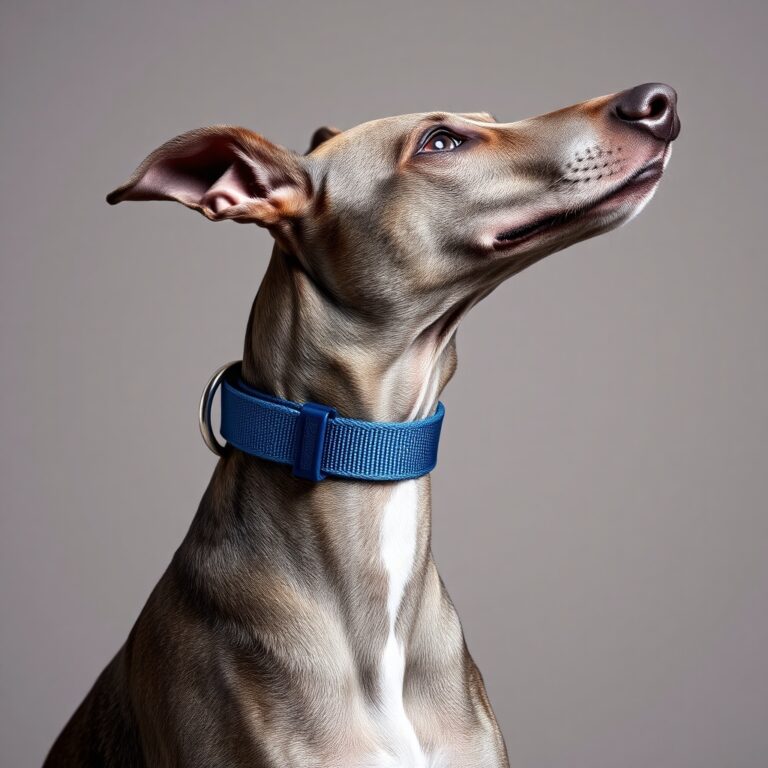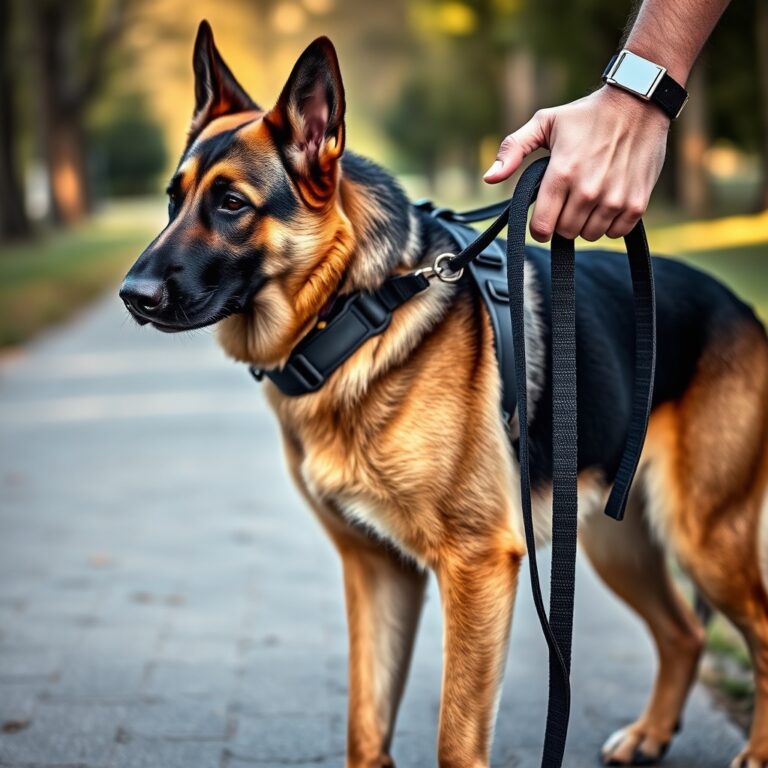

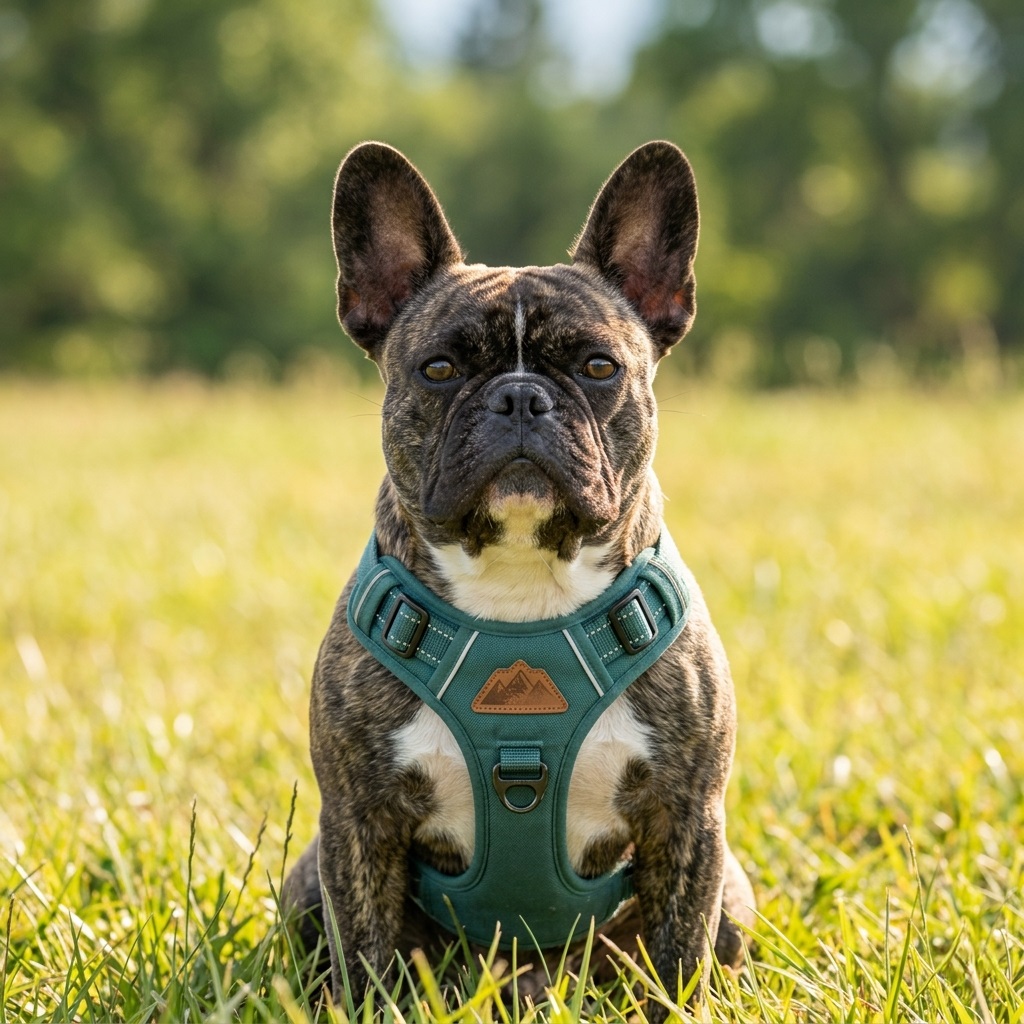
For flat-faced dogs that pull on the leash, every gasp, honk, or cough is a warning sign that should never be ignored. Standard neck collars and poorly designed chest harnesses put direct pressure on the delicate canine windpipe, risking irreversible airway trauma. Transitioning to a specialized, ergonomic walking setup is one of the most critical health decisions an owner of a brachycephalic breed can make.
An ergonomic Y-shaped harness prevents trachea damage in pulling brachycephalic dogs by distributing pulling force away from the neck and onto the sturdy breastbone (sternum), keeping the airway completely free from constrictive pressure. This structural design ensures that even during high-arousal pulling episodes, the sensitive cartilage of the windpipe remains completely unobstructed.
The Vulnerable Brachycephalic Airway: Why Collars Pose a Direct Threat
Brachycephalic breeds—such as French Bulldogs, English Bulldogs, Pugs, Boston Terriers, and Shih Tzus—possess a unique anatomical profile characterized by shortened skull bones and compressed upper airways. This conformation makes them highly susceptible to Brachycephalic Obstructive Airway Syndrome (BOAS). Clinical presentations of BOAS often include stenotic nares (narrowed nostrils), an elongated soft palate, and a hypoplastic trachea (an abnormally narrow windpipe).
When a dog wears a traditional collar and pulls against the leash, the force is concentrated directly on the anterior neck. The canine trachea is supported by C-shaped rings of cartilage that are highly susceptible to flattening under acute or chronic pressure. For brachycephalic dogs, this localized force can trigger immediate airway occlusion, respiratory distress, and rapid overheating due to their compromised thermoregulation. Over time, repeated micro-trauma from pulling can lead to tracheal collapse, a chronic and progressive disease where the airway cartilage permanently loses its rigidity.
For owners, this means that even a minor tug on a standard collar can instantly restrict your dog’s oxygen intake, leading to dangerous oxygen deprivation, syncopal episodes (fainting), or a veterinary emergency.
What Makes a Harness ‘Y-Shaped’ and Ergonomic?
Not all harnesses are created equal. Many standard chest-strap harnesses (often called ‘horizontal’ or ‘Norwegian’ harnesses) feature a strap that runs horizontally across the dog’s chest, resting directly above the shoulders. While this style avoids the neck, it severely restricts shoulder extension and alters the dog’s natural gait, which can lead to chronic musculoskeletal issues over time.
An ergonomic Y-shaped harness is specifically designed to solve both the respiratory and skeletal issues associated with walking a pulling dog. The key design elements include:
- The Y-Shaped Chest Plate: The straps form a clear ‘Y’ shape when viewed from the front, meeting at a low point on the sternum (the breastbone). This completely bypasses the throat and the soft tissues of the lower neck.
- Free Shoulder Movement: The straps run over the shoulders and down between the front legs, leaving the scapula and shoulder joints completely free to rotate naturally.
- No Choke Cut-Out: The neck opening is cut low and wide. When the dog pulls, the harness sits snugly against the skeletal structure of the chest, rather than riding up into the throat.
- Adequate Clearing Behind the Armpits: The rib strap is positioned far enough behind the front legs to prevent painful chafing in the sensitive axillary region (armpits).
Veterinary Guidelines for Walking Brachycephalic Breeds
International veterinary and animal welfare organizations, including the American Animal Hospital Association (AAHA) and the World Small Animal Veterinary Association (WSAVA), advocate for the exclusive use of properly fitted harnesses over collars for all brachycephalic breeds. Because these dogs struggle to cool themselves efficiently, any restriction on their breathing severely impairs their ability to pant, which is their primary method of heat dissipation.
Clinical guidelines recommend introducing a Y-shaped harness early in puppyhood to prevent chronic micro-trauma to the laryngeal and tracheal tissues. Additionally, walking these dogs on a longer, lightweight leash rather than a tight, short lead can reduce the frequency and intensity of pulling episodes, further safeguarding their airways.
Comparative Analysis: Walking Gear Performance
The following table outlines how different types of walking gear distribute pressure and affect the health of brachycephalic dogs:
| Gear Type | Tracheal Pressure Risk | Shoulder Mobility | Force Distribution Point | Veterinary Recommendation Rating |
|---|---|---|---|---|
| Standard Neck Collar | Extremely High | Unrestricted | Anterior Neck / Trachea | Not Recommended (High Risk) |
| Horizontal Chest Harness | Low | Highly Restricted | Shoulder Joints / Upper Sternum | Marginal (Risk of Musculoskeletal Issues) |
| Ergonomic Y-Harness | Zero | Completely Unrestricted | Sternum and Rib Cage | Highly Recommended (Optimal Safety) |
How to Correctly Fit a Y-Shaped Harness
An ill-fitting harness, even of the correct Y-shaped design, can shift out of place and cause harm. To ensure maximum safety and comfort, follow these precise fitting steps:
- Measure the Neck Base: Measure around the very base of the neck where it meets the shoulders, not high up where a collar would sit. The harness neck opening should rest comfortably on the collarbones.
- Measure the Girth: Locate the widest part of your dog’s rib cage (usually 2 to 3 inches behind the front legs). Ensure the rib strap sits securely here to prevent the harness from sliding forward into the armpits.
- The Two-Finger Rule: Once adjusted, you should be able to slide two fingers flat between the harness straps and your dog’s body. It should be snug enough not to rotate or slip, but loose enough to prevent friction.
- Check the Y-Point: Verify that the intersection point of the ‘Y’ sits directly on the hard, bony part of the breastbone (sternum). If it sits higher, the harness is too small and may still apply pressure to the trachea when pulled.
Frequently Asked Questions
Can a Y-shaped harness stop my dog from pulling?
While a Y-shaped harness safely distributes pressure, it is not an inherent training tool to stop pulling. To address the behavior itself, choose a Y-shaped harness that features a front-clip option (a leash attachment ring on the chest plate). When the dog pulls, the front-clip gently redirects their forward momentum sideways toward you, discouraging the pulling habit without causing physical distress.
How do I know if my dog’s trachea is already damaged?
Symptoms of tracheal irritation or collapse include a dry, harsh cough that sounds like a ‘goose honk,’ particularly during excitement, exercise, or when eating and drinking. If your dog gag, coughs, or struggles to catch their breath during walks, stop using any neck gear immediately and consult your veterinarian for a thorough diagnostic evaluation.
Are step-in harnesses safe for brachycephalic dogs?
Most step-in harnesses form a ‘T’ or horizontal line across the chest, which can ride up into the throat when the leash is pulled at an upward angle. For flat-faced dogs, an over-the-head Y-shaped harness with adjustable neck and chest straps is significantly safer and provides a much more secure, anatomically correct fit.
References
- American Animal Hospital Association (AAHA) Lifestyle and Canine Safety Guidelines.
- World Small Animal Veterinary Association (WSAVA) Hereditary Disease Committee Guidelines on Brachycephalic Obstructive Airway Syndrome (BOAS).