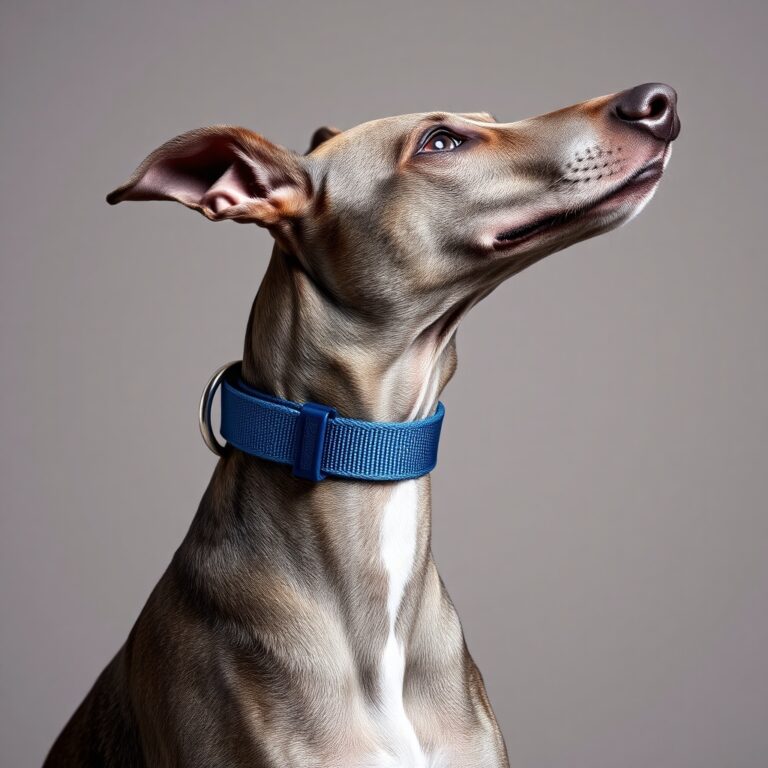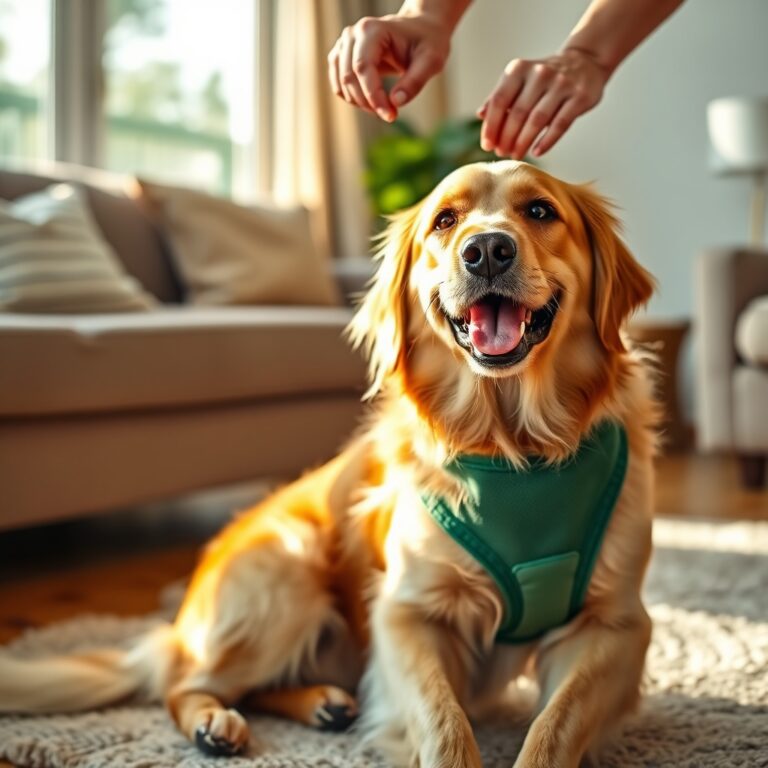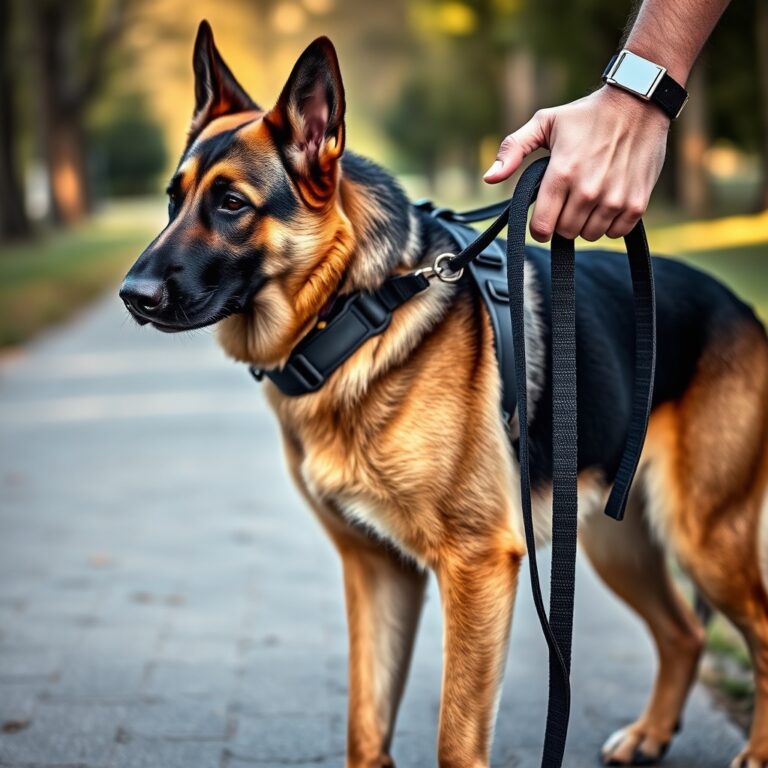

That classic image of a dog with floppy ears and a massive grin, face-first in the rushing breeze of a moving car, is pure joy to watch. Yet behind that happy sniffing lies a handful of hidden road hazards that catch plenty of drivers totally off guard.
No, it is not safe to let a dog stick its head out of a car window. While dogs find the rush of air and scents highly stimulating, doing so exposes them to severe risks of eye injuries from airborne debris, inner ear damage from high-velocity wind, and the catastrophic danger of falling or being projected from the vehicle.
Why Do Dogs Love Open Car Windows?
To understand why dogs are drawn to open windows, we have to look at how they perceive the world. A dog’s sense of smell is up to 100,000 times more sensitive than a human’s. When a car travels down the road, it passes through a constantly shifting landscape of odors. For a dog, sticking its head out of the window is the ultimate sensory experience—it is the canine equivalent of binge-watching a favorite television show. The rush of air delivers a high-speed stream of information about other animals, food, and the environment.
The Real Dangers of the Open Window
While the experience is undeniably thrilling for your pet, the physical risks far outweigh the psychological benefits. Understanding these hazards can help you make safer choices for your next road trip.
Airborne Debris and Eye Injuries
At road speeds, even the tiniest speck of dust, sand, or insect transforms into a dangerous high-velocity projectile. If a small pebble or bug strikes your dog’s eye at 40 miles per hour, it can easily cause corneal ulcers, painful scrapes, or even permanent blindness. Veterinarians frequently treat dogs for severe eye trauma acquired during what seemed like a harmless joyride.
Ear Damage and ‘Flapping’ Trauma
Those happily flapping ears are actually at risk of medical complications. The rapid, high-frequency buffeting of the wind against a dog’s ear flaps (pinnae) can cause fluid to pool inside the ear tissue. This condition, known as an aural hematoma, causes painful swelling and often requires surgical correction. Over time, the constant wind can also irritate the delicate structures of the inner ear, leading to chronic inflammation.
Sudden Braking and Ejection Risks
No matter how well-behaved your dog is, physics still applies. A sudden stop, sharp turn, or minor fender bender can easily launch an unrestrained dog through an open window. Additionally, a dog may spot a squirrel, another dog, or a familiar person and impulsively jump out of a moving vehicle, resulting in severe fractures, road rash, or fatal impact.
Foreign Objects Along the Roadway
When a dog’s head is outside the physical boundary of the car, they are vulnerable to external hazards. Tree branches, road signs, construction barriers, or passing vehicles can come dangerously close to the side of your car, posing an immediate threat of severe head trauma.
Pros and Cons of Open-Window Rides
When deciding how to manage your dog’s car habits, it helps to weigh the brief moments of enjoyment against the long-term safety risks.
- Pro: Intense mental stimulation and sensory satisfaction for the dog.
- Pro: A cooling breeze on warm days (though air conditioning is far more effective).
- Con: High risk of expensive vet visits for eye and ear injuries.
- Con: Danger of catastrophic falls or vehicular ejection.
- Con: Driver distraction caused by monitoring a moving animal.
Safe Alternatives for Happy Car Rides
You do not have to deprive your dog of the joys of travel. You can easily satisfy their curiosity while keeping them completely secure inside the vehicle.
Crack the Window Safely
You can still let your dog enjoy the outdoor scents by rolling the window down just an inch or two. This allows fresh air and smells to enter the cabin without creating an opening large enough for your dog to force its nose, head, or paws through.
Use a Certified Crash-Tested Harness
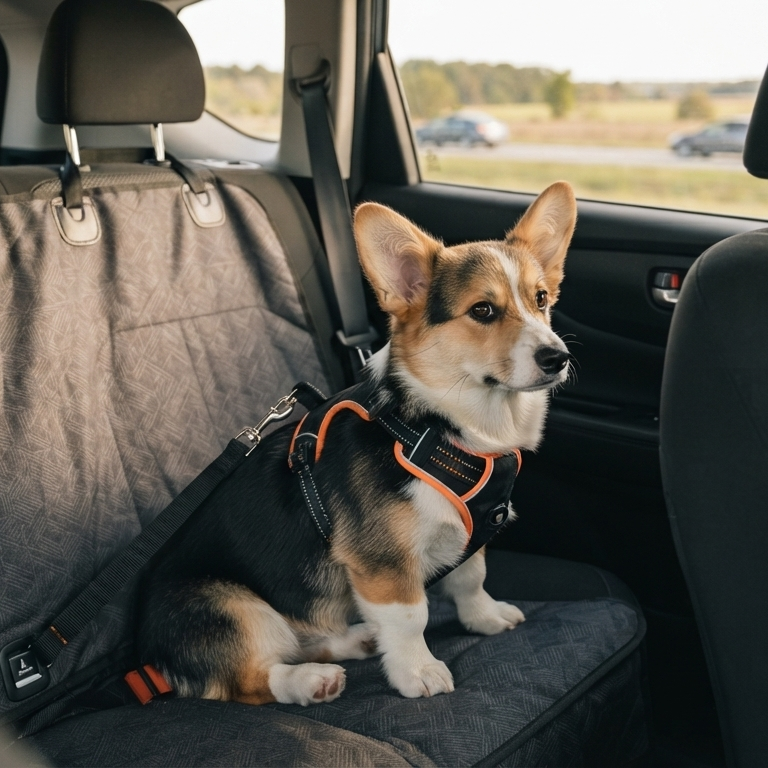
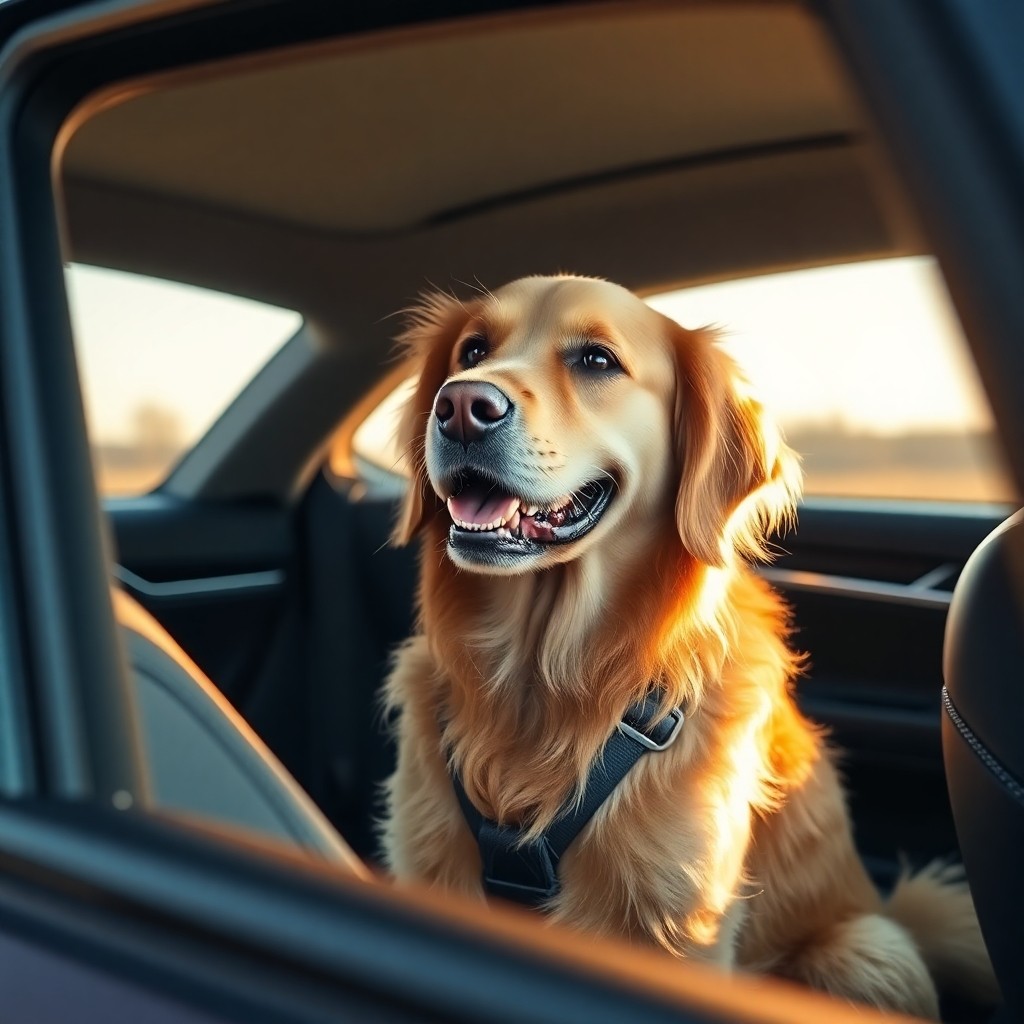
The safest way for a dog to ride in the back seat is secured by a specially designed safety harness. These harnesses clip directly into the car’s seat belt buckle, keeping your dog safely in place during sudden stops while still allowing them to sit comfortably and look out the window.
Utilize a Travel Crate
For maximum protection, place your dog inside a sturdy, secured travel crate in the cargo area or back seat. This mimics a safe den environment, reduces travel anxiety, and guarantees that they cannot interfere with your driving or get injured by external hazards.
Frequently Asked Questions
Why does my dog whine when the window is closed?
Your dog is likely experiencing frustration from the sudden loss of sensory stimulation, or they may be dealing with mild car anxiety. You can help ease this behavior by keeping the air conditioning running to circulate fresh air and offering a favorite chew toy to keep them distracted.
Are dog goggles safe for car rides?
Specialized protective eyewear designed for dogs can shield their eyes from dust and debris. However, while goggles protect the eyes, they do not prevent your dog from jumping out of the window or suffering ear damage. Goggles should only be used in combination with a secure crash-tested harness.
How much should I roll down the window for my dog?
As a general rule, the window should never be open wider than the width of your dog’s muzzle. Keeping the opening under two inches allows scents to flow into the car while ensuring your dog’s head remains safely inside the protective frame of the vehicle.