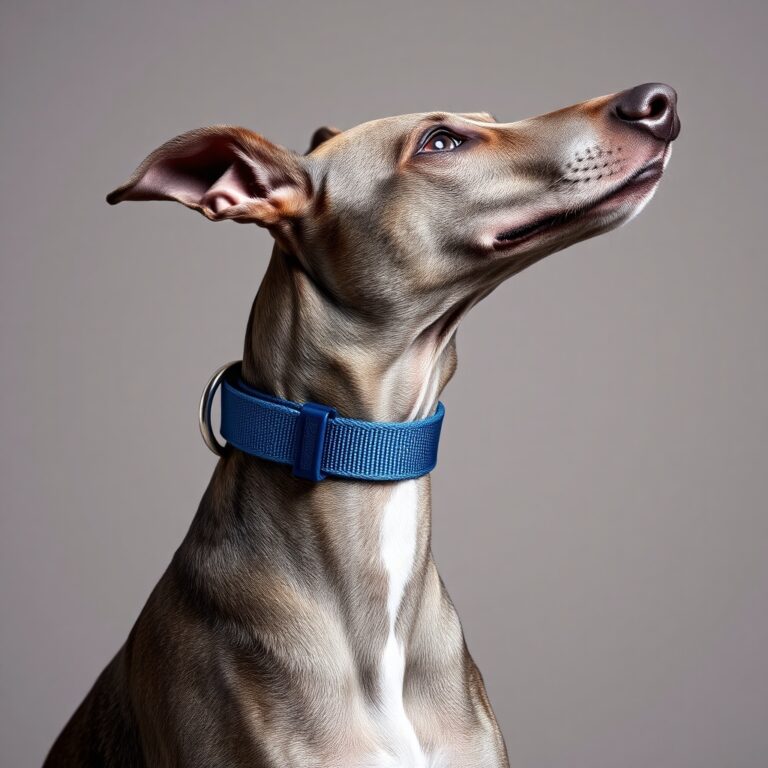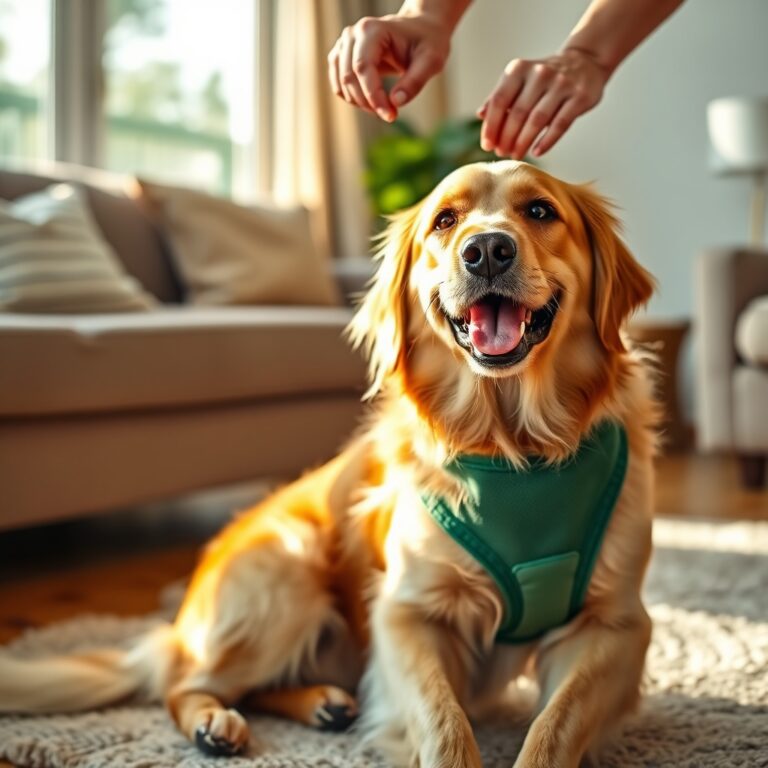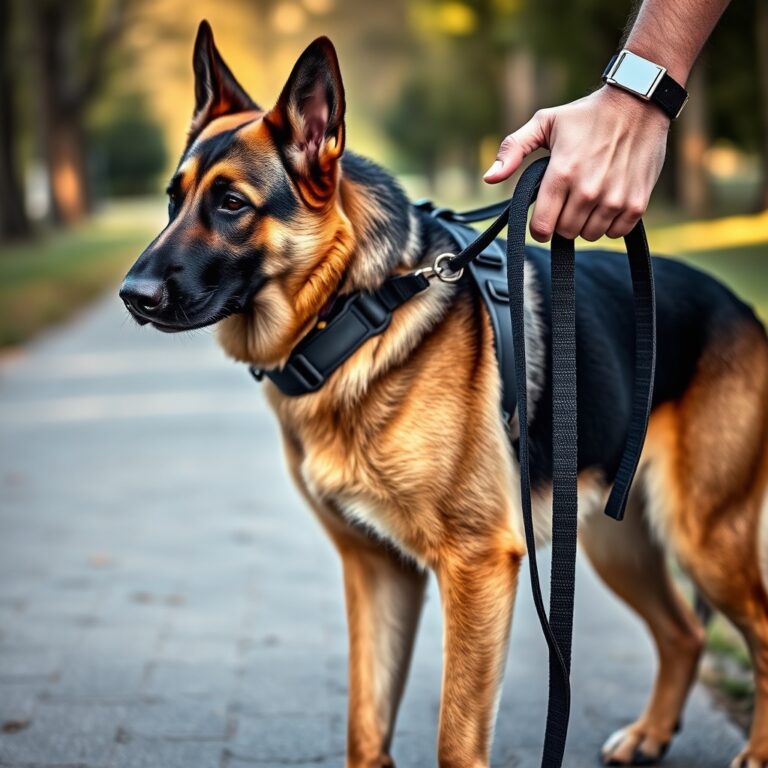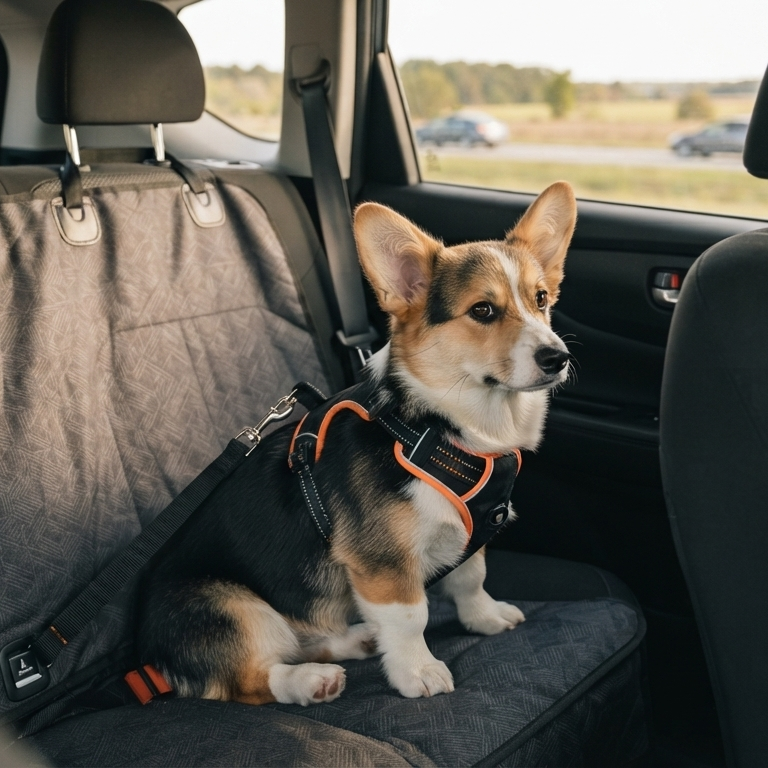

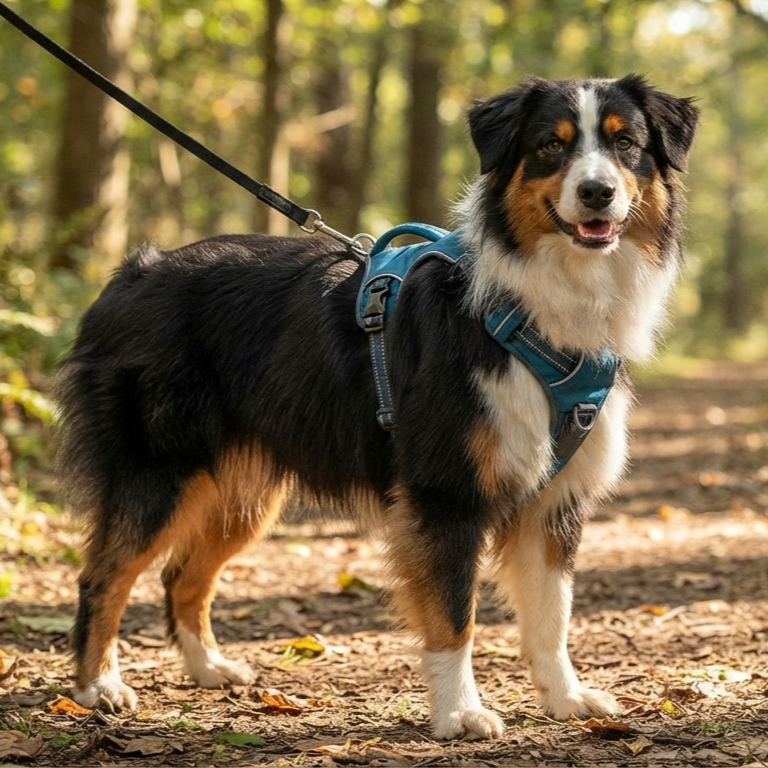
Have you ever watched your dog easily back out of their harness right in the middle of a bustling sidewalk, or noticed red friction marks behind their front legs after a long walk? Striking the right balance with harness tension is surprisingly tricky, yet it’s the key to keeping your daily strolls both secure and chafe-free.
A dog harness is properly tightened when you can comfortably slide two fingers between the harness straps and your dog’s body. If you cannot fit two fingers underneath the straps, the harness is too tight and will restrict movement; if you can fit three or more fingers, the harness is too loose, presenting a serious escape risk.
The Golden Standard: The Two-Finger Rule
The easiest and most reliable way to test the tightness of any dog harness is the classic ‘two-finger rule’. This simple physical check ensures the harness remains secure without causing discomfort or restricting your dog’s blood circulation.
- Step 1: Put the harness on your dog and secure all the buckles completely.
- Step 2: Slide your index and middle fingers flat against your dog’s body, slipping them underneath the main straps.
- Step 3: Test three critical areas: the neck strap, the chest/girth strap, and the ribcage strap.
- Step 4: Assess the resistance. Your fingers should slide under snugly but smoothly. If you have to force them in, loosen the straps. If there is a noticeable gap around your fingers, tighten them.
Signs Your Dog’s Harness Is Too Tight
Dogs cannot tell us when their gear is uncomfortable, but they communicate through physical signs and behavioral changes. Watch out for these clear indicators that your dog’s harness needs to be loosened immediately:
- Chafing and Hair Loss: Look for raw skin, redness, or bald patches around the armpits, chest, and neck where the straps rub.
- Restricted Movement: If your dog walks with a stiff, unusual gait, takes shorter steps than usual, or seems reluctant to run, the harness is likely pinching their shoulder joints.
- Harness Resistance: If your dog actively runs away, hides, or growls when you bring the harness out, they may associate it with physical discomfort.
- Deep Fur Indentations: When you remove the harness, check if there are deep, lasting indentations left behind in your dog’s coat or skin.
Signs Your Dog’s Harness Is Too Loose
A loose harness is just as dangerous as a tight one. If the harness does not fit snugly, you risk losing control during walks or losing your pet entirely. Watch for these common signs of a loose fit:
- The ‘Saddle’ Effect: The harness slides heavily from side to side or rotates around your dog’s torso as they walk.
- The Escape Artist Maneuver: Your dog can easily back out of the harness by pulling their head and front legs backward.
- Low-Hanging Chest Straps: The front strap drops below your dog’s breastbone, which can cause them to trip or interfere with their natural front-leg stride.
- Chafing from Friction: Paradoxically, a harness that is too loose can rub back and forth against the skin, causing severe friction burns and raw spots.
Harness Fit Checklist by Style
Different harness styles distribute pressure across your dog’s body in unique ways. Use this quick reference table to check the fit based on the specific gear style your dog wears:
| Harness Style | Primary Adjustment Point | Key Fit Indicator |
|---|---|---|
| Y-Harness / H-Harness | Center chest and neck straps | The center strap must sit directly on the breastbone, never resting on the soft throat. |
| Step-In Harness | Shoulder and girth straps | Leg holes must be wide enough to prevent pinching the back of the front legs. |
| No-Pull (Front-Clip) | Front chest strap | The front leash attachment point must rest directly in the middle of the chest without sagging. |
How to Measure Your Dog for a Perfect Fit
To avoid sizing issues from the start, always measure your dog before purchasing a new harness. Do not rely solely on weight or breed recommendations, as body shapes vary significantly.
- Measure the Chest Girth: Use a flexible tape measure to wrap around the widest part of your dog’s ribcage, which is typically two to three fingers behind their front legs.
- Measure the Neck: Wrap the tape measure around the base of the neck where a collar naturally sits.
- Compare with Size Charts: Every brand has a unique sizing scale. If your dog falls between two sizes, choose the larger size and adjust the straps down for a snug fit.
Frequently Asked Questions
Can a dog wear a harness all day?
No, it is not recommended to keep a harness on your dog 24/7. Continuous wear can trap moisture, cause painful skin chafing, lead to matted fur, and create pressure points. Remove the harness once you return inside from your walk.
Should the harness be tighter around the neck or chest?
The harness should be evenly balanced, but the chest strap should generally be slightly more secure than the neck strap. The neck area must remain loose enough to prevent breathing restrictions, while the chest strap keeps the harness securely anchored to the body.
Why does my dog freeze or refuse to move when wearing a harness?
If your dog ‘freezes’ when the harness is on, it is often a sign of discomfort, limited shoulder mobility, or a lack of desensitization. Loosen the straps slightly using the two-finger rule, and use positive reinforcement training with high-value treats to build a positive association with the gear.