
It is easy to look at a dog bounding happily through the snow and assume their paws are naturally armored against the cold. While nature equipped them with a clever circulatory system to keep their pads from freezing, today’s winter landscape brings a whole new set of hazards that our dogs were never quite designed to handle.
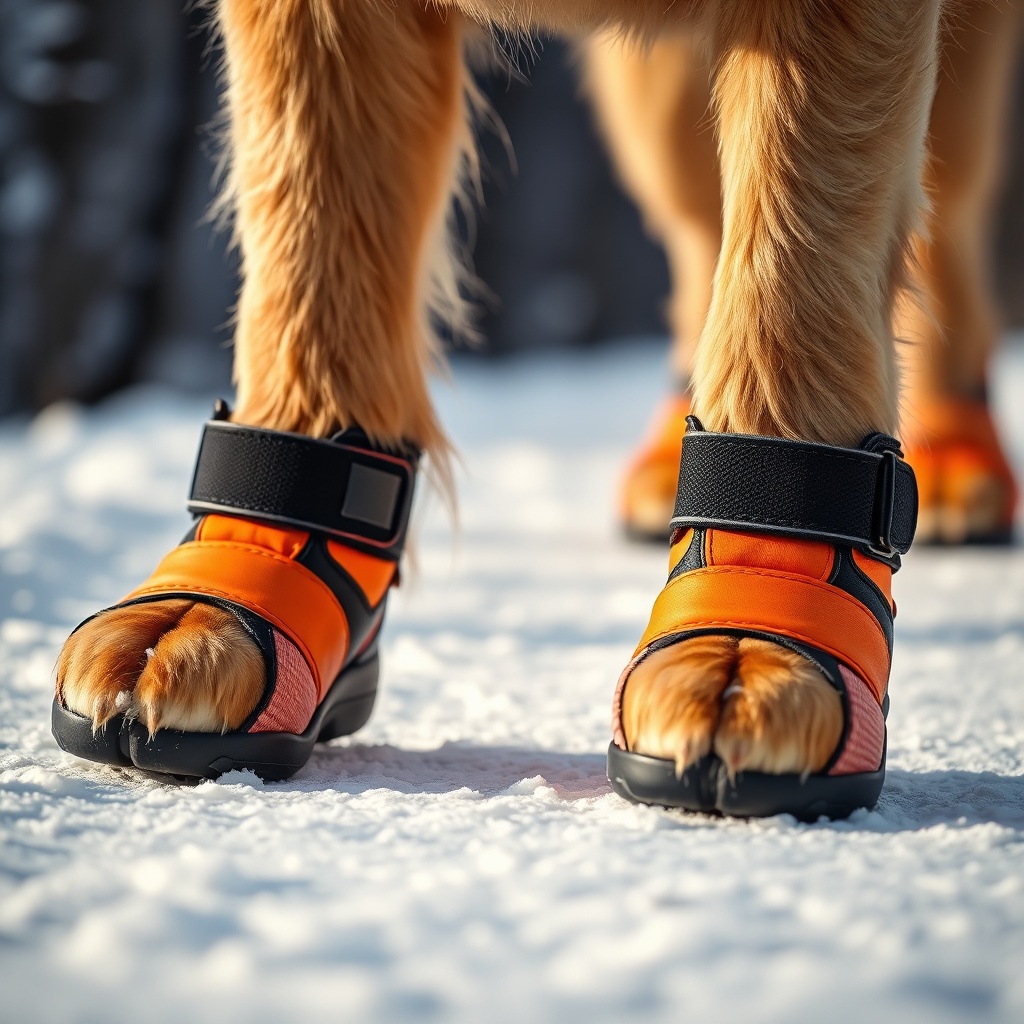
Most dogs do not strictly need winter boots for short walks in mild cold, but boots are highly recommended for dogs walking on salted sidewalks, icy terrains, or in temperatures below 20 degrees Fahrenheit (-7 degrees Celsius), especially for small breeds, seniors, and short-coated dogs.
The Science of Dog Paws in the Cold
Dogs possess a unique countercurrent heat exchange system in their paws. The warm blood flowing down to the paws transfers its heat to the cold blood returning to the body. This prevents the dog’s core temperature from dropping and helps keep the pads from freezing on contact with cold ground. However, this natural defense has its limits.
While the skin on a dog’s paw pads is thick and resilient, it is still vulnerable to frostbite, cracking, and chemical burns. When temperatures drop significantly, or when artificial hazards are introduced to the walking surface, the biological protection is no longer sufficient.
The Real Dangers of Winter Walks
Cold weather itself is only one part of the winter paw safety equation. The primary hazards that dog owners must navigate include:
- Chemical De-Icers and Rock Salt: These substances are highly toxic to dogs. Rock salt can get lodged between paw pads, causing painful chemical burns and deep cracks. Furthermore, dogs often lick their paws after walks, leading to dangerous chemical ingestion.
- Ice Balls: For long-haired breeds, snow easily clings to the fur between the toes. This snow melts from body heat and quickly refreezes into hard ice balls. These ice balls spread the toes apart, causing severe discomfort, skin tearing, and limping.
- Sharp Ice Crusts: Hardened, frozen snow crusts can act like glass, slicing open a dog’s paw pads or scratching the delicate skin around the dewclaws.
- Freezing Temperatures: Prolonged contact with surfaces below freezing can cause tissue damage and frostbite, particularly in dogs not acclimated to cold climates.
Which Dogs Need Boots the Most?
Not every dog requires winter footwear, but certain groups are highly susceptible to cold-weather paw injuries. You should strongly consider boots if your dog falls into any of the following categories:
Toy and Small Breeds
Chihuahuas, Yorkies, and Maltese dogs lose body heat rapidly. Their paws are close to the frozen ground, and they have less body mass to generate heat, making winter walks painful without insulation.
Senior Dogs and those with Arthritis
Older dogs often struggle with stability on icy patches. Boots with textured, rubberized soles provide much-needed traction, helping them maintain their balance and preventing slip-and-fall joint injuries.
Dogs with Long Hair Between Their ToesBreeds like Golden Retrievers, Cocker Spaniels, and Poodles are highly prone to ice ball accumulation. Even with regular grooming, these dogs benefit immensely from a physical barrier against snow.
Working and Hiking Dogs
If you take your dog on long winter hikes or snowshoeing trips, their paws are exposed to freezing elements for hours. The sheer duration of exposure makes protective gear a safety necessity.
Pros and Cons of Winter Dog Boots
Before purchasing a set of booties, it is helpful to weigh the benefits against the practical challenges of using them.
The Pros
- Provides a 100% physical barrier against toxic sidewalk salt and chemical ice melts.
- Prevents the formation of painful ice balls between the toes.
- Protects against cuts from sharp ice and hidden debris beneath the snow.
- Keeps paws clean and dry, reducing post-walk grooming time.
The Cons
- Many dogs find the sensation of wearing boots highly unnatural and require extensive training to tolerate them.
- Poorly fitted boots can slip off easily in deep snow, leading to lost gear.
- Chafing can occur if the boots are secured too tightly or if moisture gets trapped inside for long periods.
Smart Alternatives to Winter Boots
If your dog absolutely refuses to wear boots, you must still protect their paws. Fortunately, there are several highly effective alternatives:
- Natural Paw Protection Wax: Applying a thick layer of a food-grade, breathable paw wax before walks creates a temporary barrier against salt and prevents snow from sticking.
- Regular Trimming: Keep the hair between your dog’s pads trimmed flush with the pads to minimize ice ball formation.
- Post-Walk Paw Rinsing: Keep a bowl of warm water or a damp towel by the door to thoroughly clean and dry your dog’s paws immediately after every winter walk. This removes any chemical residues before they can lick them.
How to Train Your Dog to Wear Boots
Success with winter boots depends heavily on patience. Do not expect your dog to wear them on a long walk immediately. Start by introducing the boots indoors. Place one or two boots on their front paws and immediately offer high-value treats to create a positive association. Let them walk around the house for a few minutes, ignoring the funny ‘high-stepping’ gait, which is completely normal at first. Gradually build up to all four boots over several days, rewarding them constantly, before attempting your first outdoor winter walk.
Frequently Asked Questions
How cold is too cold for a dog’s paws?
Generally, when temperatures drop below 20 degrees Fahrenheit (-7 degrees Celsius), the risk of frostbite and rapid heat loss increases significantly. For small or short-coated breeds, even temperatures below 32 degrees Fahrenheit (0 degrees Celsius) can cause discomfort during extended walks.
How do I know what size boots to buy for my dog?
To find the correct size, place your dog’s paw on a piece of paper, trace the outline while they are bearing weight, and measure the widest point of the paw. Compare this measurement to the manufacturer’s specific sizing chart, as sizes vary widely between brands.
Can dogs wear boots in the rain?
Yes, water-resistant or waterproof boots are excellent for rainy days. They keep your dog’s paws dry and prevent them from tracking mud and dampness into your home, though you should ensure the boots are breathable to prevent sweat buildup.