
Standard fiber-fill versus true orthopedic memory foam comes down to a simple question of canine skeletal health. While premium bedding might look like an unnecessary luxury on the surface, the way a dog’s joints actually experience pressure during rest tells a completely different story backed by veterinary science.
Do dogs really need an orthopedic bed? Yes, dogs suffering from arthritis, hip dysplasia, or structural joint issues absolutely require orthopedic beds, while large breeds and senior dogs benefit immensely from the preventative pressure-point relief and spinal alignment that high-density memory foam provides.
The Science Behind Orthopedic Support for Dogs
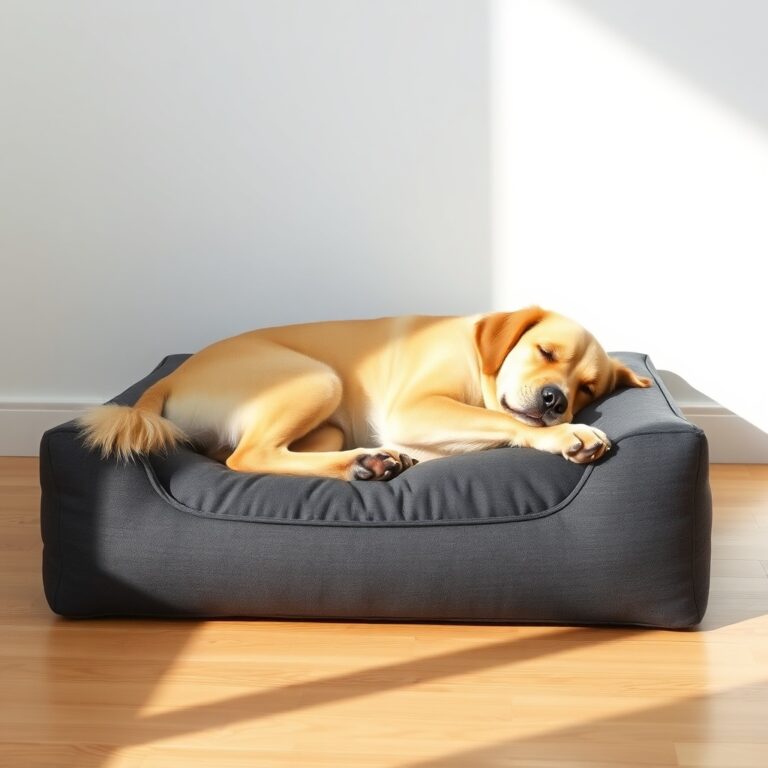
When a dog sleeps on a standard polyester-filled or shredded foam bed, their heaviest points—the hips, shoulders, and elbows—sink directly to the cold, hard floor. This is known as ‘bottoming out’. This creates concentrated pressure points, which restrict blood flow, aggravate inflamed joints, and accelerate joint degeneration.
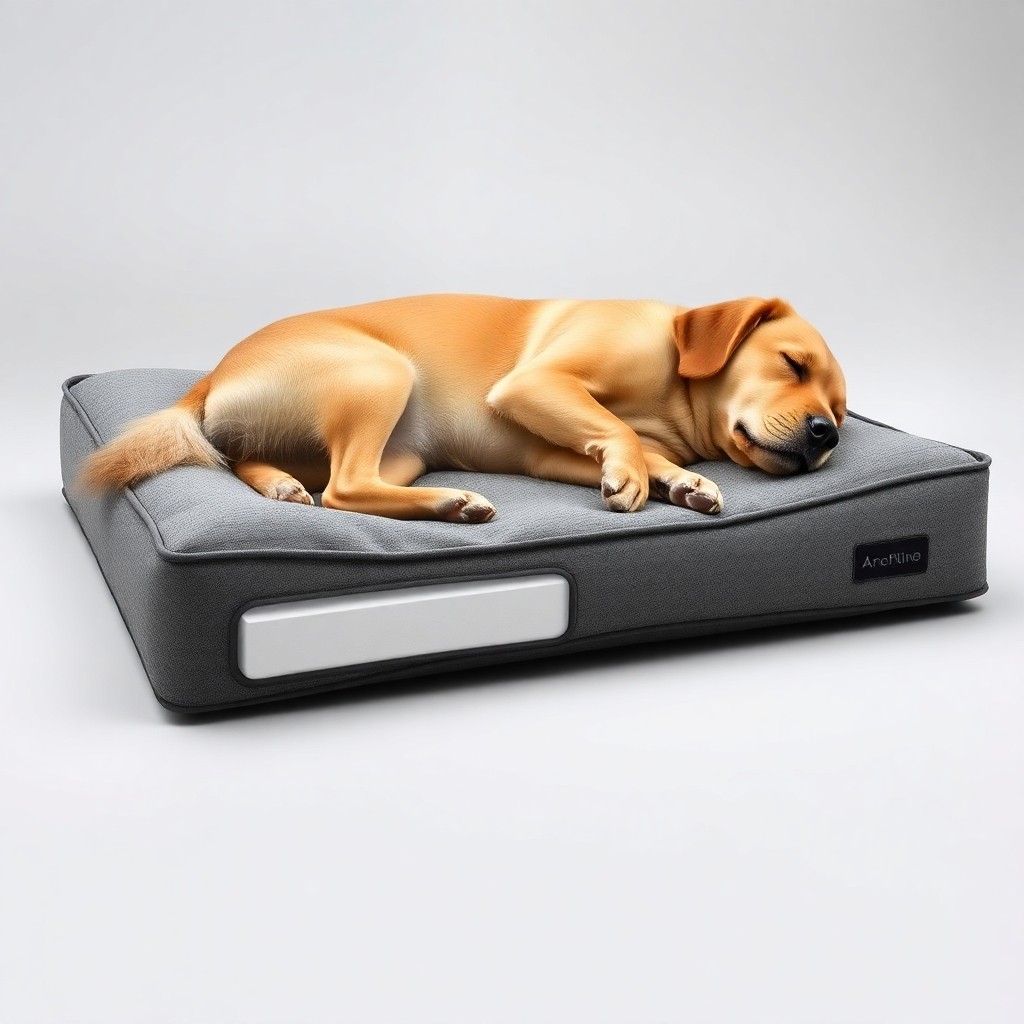
A true orthopedic bed utilizes solid, medical-grade, high-density memory foam. This material reacts to the dog’s body heat and weight, contouring precisely to their shape. Instead of forcing the joints to support the body’s weight at unnatural angles during sleep, the foam distributes the dog’s weight evenly across the entire surface. This neutralizes pressure points, increases circulation, and allows muscles and ligaments to fully relax and recover.
Standard Dog Beds vs. True Orthopedic Beds
Understanding the structural differences between these bedding types is crucial for making an informed investment. Cheap fillers simply cannot offer the same physical support as engineered foam layers.
| Feature | Standard Dog Bed | True Orthopedic Bed |
|---|---|---|
| Core Material | Polyester fiber-fill, cedar chips, or shredded foam scraps | Solid, high-density memory foam or medical-grade support foam |
| Pressure Relief | Minimal; bottoms out easily under average weight | High; contours dynamically to body shape and weight |
| Durability | Clumps, sags, and flattens within 3 to 12 months | Retains original shape and support density for years |
| Spinal Alignment | Poor; joints and spine rest at awkward, unsupported angles | Optimal; keeps spine, hips, and shoulders neutrally aligned |
Which Dogs Benefit the Most?
While every canine can enjoy a comfortable bed, orthopedic support transition is a non-negotiable health requirement for specific groups:
- Senior Dogs: As dogs age, natural cartilage wears thin, leading to osteoarthritis. A supportive bed makes the transition from lying down to standing much easier and less painful.
- Large and Giant Breeds: Breeds like Great Danes, Mastiffs, German Shepherds, and Golden Retrievers are highly prone to hip and elbow dysplasia. Starting them on orthopedic foam early can serve as a vital preventative measure.
- Working or High-Activity Dogs: Canine athletes, hunting dogs, and active companions experience microscopic muscle tears and joint strain daily. Rest on high-density foam optimizes physical recovery.
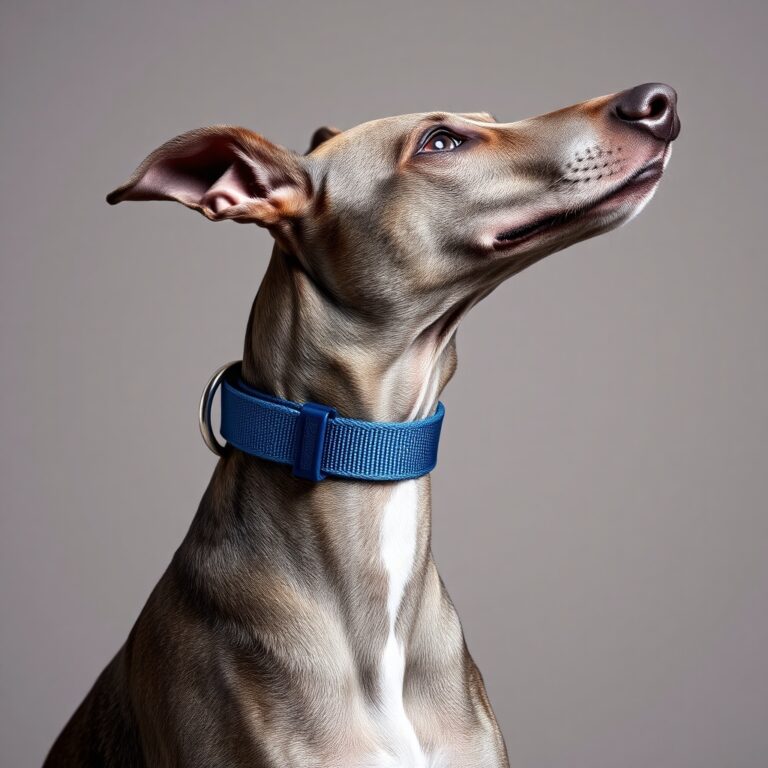
- Thin or Low-Body-Fat Breeds: Greyhounds, Whippets, and Italian Greyhounds lack protective fat padding over their bones, making them highly susceptible to painful pressure sores and hygromas on hard surfaces.
Pros and Cons of Investing in an Orthopedic Bed
Before purchasing, it is helpful to weigh the advantages against the practical realities of high-end pet gear.
The Advantages
- Provides therapeutic relief from chronic joint pain and stiffness.
- Improves sleep quality, which reduces daytime irritability and anxiety.
- Reduces the risk of pressure sores (hygromas) on bony areas like the elbows and hocks.
- Offers superior long-term value, as high-density foam does not require constant replacement like cheap fiber beds.
The Drawbacks
- Higher upfront financial investment compared to standard synthetic beds.
- Beds are often heavier, bulkier, and less convenient for travel.
- Some dense foams trap body heat, which might cause double-coated breeds to seek the cool floor (unless paired with a breathable or gel-infused cover).
Key Features of a Real Orthopedic Bed
Many manufacturers use the term ‘orthopedic’ as a marketing buzzword without actually using supportive materials. To find a genuine, high-quality bed, prioritize these specifications:
Look for solid foam construction rather than shredded foam or ‘egg-crate’ foam, which lacks the density to support heavy joint structures. The bed should feature a waterproof or water-resistant inner liner to protect the foam core from accidents, drool, or wet paws, as memory foam cannot easily be washed. Finally, ensure the bed has a removable, machine-washable outer cover made of durable, tear-resistant fabric like heavy microfiber or canvas, alongside a non-slip bottom surface to prevent the bed from sliding when your dog tries to stand up.
Frequently Asked Questions
How can I tell if my dog needs an orthopedic bed?
If your dog takes longer to stand up in the morning, hesitates before climbing stairs, stiffness after exercise, or circles repeatedly trying to get comfortable on their current bed, they are likely experiencing joint discomfort and need orthopedic support.
At what age should a dog get an orthopedic bed?
There is no need to wait until your dog is senior. Introducing an orthopedic bed around one to two years of age, especially for medium to giant breeds, acts as an excellent preventative measure to protect their joints during their most active years.
Can I wash an orthopedic dog bed?
You cannot machine-wash or submerge the memory foam core itself, as this destroys the cell structure of the foam. However, a high-quality orthopedic bed will always feature a removable, machine-washable outer cover and a waterproof inner protective lining.