
The Critical Heatwave Threat to Brachycephalic Breeds
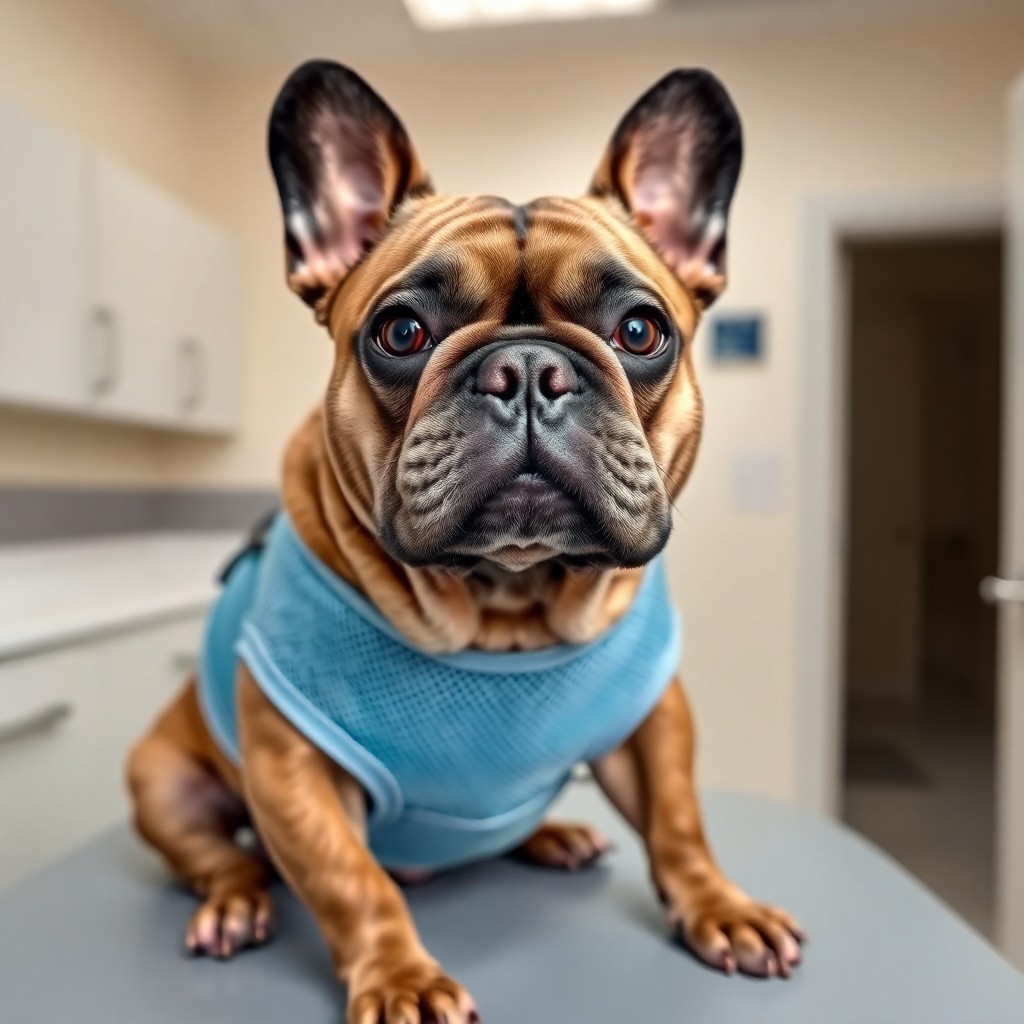
When a severe heatwave strikes, owners of flat-faced dogs face an immediate, high-stakes race against the clock to prevent life-threatening heatstroke. While evaporative cooling vests are widely marketed as a simple outdoor solution, deploying them without understanding the unique thermodynamic limitations of brachycephalic breeds can catastrophically accelerate systemic overheating.
Do evaporative cooling vests work for brachycephalic dogs during heatwaves? Yes, but only under specific environmental conditions; evaporative vests effectively lower skin temperature in low-humidity environments, but in high humidity (above 60-65%), they create a suffocating ‘sauna effect’ that impairs a flat-faced dog’s already compromised respiratory cooling mechanism.
The Respiratory Crisis: Why Flat-Faced Dogs Struggle
Unlike humans, who regulate temperature through sweat glands across their skin, canines rely almost exclusively on respiratory evaporation—panting—to release excess metabolic heat. When a dog pants, air passing over the moist membranes of the nasal turbinates, tongue, and lungs facilitates heat exchange, cooling the blood circulating through these tissues.
For dogs suffering from Brachycephalic Obstructive Airway Syndrome (BOAS), this vital thermal pathway is severely deformed. Narrowed nostrils (stenotic nares), an elongated soft palate, and a narrowed windpipe (hypoplastic trachea) create immense physical resistance to airflow. Because these dogs must work significantly harder simply to draw breath, the muscular effort of panting actually generates substantial internal metabolic heat, creating a dangerous feedback loop during extreme weather.
For owners, this means that any external tool used to aid cooling must assist the dog’s body without adding physical weight, restricting breathing effort, or trapping ambient humidity close to the skin.
How Evaporative Cooling Vests Perform in Real Climates
Evaporative cooling vests operate on the physical principle of latent heat of vaporization. The vest is soaked in water, wrung out, and placed on the dog. As dry ambient air passes over the wet fabric, the water evaporates, drawing heat energy away from the dog’s underlying skin and superficial blood vessels.
However, this physical process is entirely dependent on relative humidity. In dry, arid climates, the evaporation process is rapid and highly efficient, successfully providing a external thermal sink. In humid environments, the air is already saturated with water vapor, meaning the water trapped in the vest’s layers cannot evaporate. Instead of cooling the dog, the wet fabric becomes a warm, heavy blanket that traps body heat and rising skin moisture, rapidly driving up the dog’s core body temperature.
Thermodynamic Performance and Safety Matrix
Veterinary observations and clinical guidelines emphasize that ambient humidity dictates whether a cooling vest acts as a life-saving tool or a heat-trapping hazard. Below is a safety matrix adapted for brachycephalic breeds during extreme weather events:
| Relative Humidity (%) | Ambient Temperature | Vest Evaporation Rate | BOAS Risk Level | Required Clinical Action |
|---|---|---|---|---|
| Below 45% | Up to 35°C (95°F) | High / Highly Effective | Moderate | Safe for short supervised transits; monitor coat dryness. |
| 45% to 60% | Up to 32°C (90°F) | Moderate / Reduced | High | Limit outdoor exposure to under 10 minutes; monitor respiratory rate. |
| Above 60% | Any Temp above 26°C (79°F) | Stagnant / Insignificant | Extreme | DO NOT USE. Vest will trap heat. Keep dog in air conditioning. |
The Restricted Chest Expansion Danger
Beyond thermodynamic limits, the mechanical design of many cooling vests presents a direct physical risk to BOAS-affected dogs. To breathe effectively during thermal stress, brachycephalic dogs utilize accessory respiratory muscles, requiring maximum chest expansion to draw in sufficient oxygen.
If a cooling vest is fitted too snugly, or if the wet fabric becomes heavy and rigid as it dries, it physically restricts the expansion of the rib cage. This restriction forces the dog to work even harder to breathe, escalating airway swelling, laryngeal collapse risks, and rapid-onset respiratory distress. When choosing or fitting gear, veterinary consensus guidelines suggest that you must easily be able to slide two flat fingers beneath every part of the vest when the dog is standing (AAHA).
Clinical Best Practices for Heatwave Management
To safely manage a brachycephalic dog during extreme summer heatwaves, clinicians recommend a strict safety protocol that prioritizes active prevention over reactive gear usage:
- Prioritize Active Air Conditioning: Evaporative vests are never a substitute for climate-controlled indoor spaces. If ambient indoor temperatures exceed 26°C (79°F), utilize active air conditioning or dehumidifiers rather than relying on wet gear.
- The Dry-to-Wet Ratio: Never allow an evaporative vest to dry out completely while still on the dog. A dry vest acts as an insulating layer, trapping the dog’s body heat. Wet the vest frequently, or remove it entirely the moment evaporation slows.
- Pre-Cooling Transits: If travel is unavoidable, use the vest to pre-cool the dog during transit in a pre-cooled vehicle, rather than during active outdoor exercise.
- Avoid Ice-Cold Water: Never soak the vest in ice water. Extremely cold temperatures cause peripheral vasoconstriction—the narrowing of blood vessels near the skin surface—which actually traps heat deeper inside the dog’s core organs. Use cool or room-temperature water.
Emergency Escalation: Recognizing Heat Stroke
Even with protective gear, a brachycephalic dog can experience heatstroke within minutes during a heatwave. Owners must monitor for early clinical warning signs, including dark red or purple gums, thick foaming saliva, loud raspy breathing (stridor), rapid heart rate, and lethargy. If these signs occur, immediately remove any vest, apply cool (not cold) water to the abdomen and paws, place the dog in front of a fan, and seek emergency veterinary care immediately (WSAVA).
References
This clinical guidance aligns with the emergency medicine and environmental safety standards established by the following veterinary authorities:
- The American Animal Hospital Association (AAHA) Canine Lifestyle and Environmental Care Guidelines.
- The World Small Animal Veterinary Association (WSAVA) Hereditary Disease Committee Respiratory Safety Standards.
- The American College of Veterinary Internal Medicine (ACVIM) Consensus Statements on Brachycephalic Obstructive Airway Syndrome (BOAS) Management.