

Rusty streaks below your dog’s eyes aren’t just a cosmetic annoyance. They are a direct signal from the body. Reddish-brown stains stem from porphyrins—iron-containing waste molecules excreted through tears, saliva, and sweat that turn reddish when exposed to light and oxygen.
To eliminate stubborn dog tear stains naturally, switch to filtered water, replace plastic food bowls with stainless steel, clear inflammatory fillers from their diet, and wipe the eye area daily with a mild saline wash.
Understanding What Causes Dog Tear Stains
Excessive tear production, known medically as epiphora, floods the fur beneath the eyes. When fur stays constantly wet, two things happen. First, porphyrins stain the hair shaft. Second, opportunistic yeast like Malassezia takes hold in the damp skin, creating dark reddish-brown crusts accompanied by a distinct musky smell.
Common triggers for tear overflow include:
- High mineral content in tap water: Heavy metals and iron fuel high porphyrin levels in bodily fluids.
- Bacterial buildup in plastic bowls: Micro-scratches in plastic harbor bacteria, triggering low-grade facial inflammation every time your dog eats.
- Dietary sensitivities: Artificial colorings, meat by-products, and cheap grain fillers prompt systemic inflammation and overactive tear glands.
- Blocked tear ducts: Nasolacrimal duct obstructions prevent normal tear drainage into the nose, forcing fluids over the lower eyelids.
Dietary Changes That Stop Tear Staining
Fixing tear stains long-term requires working from the inside out. External wipes only treat the symptom. Adjusting your dog’s intake cuts off porphyrin production at the source.
1. Switch to Filtered or Distilled Water
Tap water in many regions contains high levels of iron, magnesium, and chlorine. Swap tap water for reverse-osmosis or filtered pitcher water. Many dog owners notice visible fading within four to six weeks simply by changing the water source.
2. Upgrade Food and Water Dishes
Throw away plastic bowls. Plastic degrades over time, leeching chemicals and harboring deep-seated bacteria that irritate your dog’s muzzle and mouth. Switch to heavy-gauge stainless steel, high-fired ceramic, or glass. Wash these dishes daily with hot water and dish soap.
3. Eliminate Inflammatory Ingredients
Check the ingredient label on your kibble or canned food. Ditch foods containing artificial dyes (such as Red 40), chemical preservatives (BHA, BHT, ethoxyquin), and vague protein meals. Opt for single-protein, fresh, or clean-label diets rich in omega-3 fatty acids to reduce overall inflammatory load.
4. Add Raw Apple Cider Vinegar
Raw, unfiltered apple cider vinegar containing ‘the mother’ can help shift your dog’s internal pH balance slightly, making the body less hospitable to yeast overgrowth. Add 1/4 teaspoon per 20 pounds of body weight directly into their daily meal or drinking water. Start slow to make sure they accept the taste.
Safe Natural Topical Remedies
While diet stops new staining, topical care clears existing buildup and keeps skin healthy.
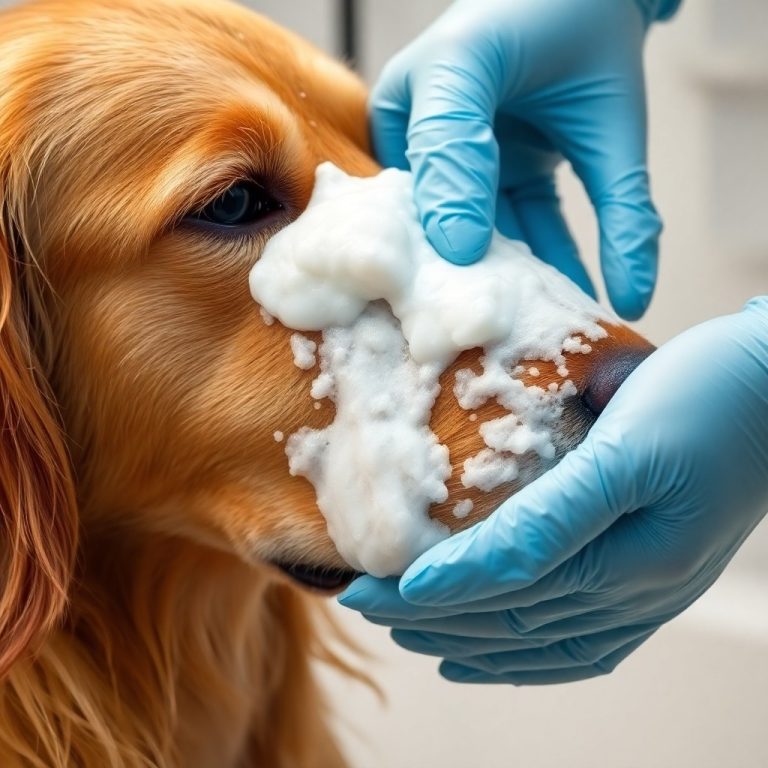
- Sterile Saline Solution: Flush the fur around the eyes once or twice daily with basic over-the-counter sterile eyewash (saline). This removes pollen, dust, and dried tear waste before it oxidizes.
- Cooled Chamomile Tea: Steep an organic chamomile tea bag, let it cool completely, and gently press the damp bag against stained fur for two minutes. Chamomile acts as a mild natural antiseptic and calms irritated skin.
- Pure Coconut Oil Barrier: After cleaning and thoroughly drying the facial fur, dab a tiny bit of organic virgin coconut oil onto the stained hair. The oil acts as a hydrophobic shield, repelling fresh tear fluid so it glides off without soaking the hair shaft.
Comparing Tear Stain Fixes
| Remedy / Action | Target Root Cause | Timeframe for Results | Safety / Precautions |
|---|---|---|---|
| Filtered / RO Water | Excess heavy metals & porphyrins | 3 to 6 weeks | 100% safe for all life stages. |
| Stainless Steel Bowls | Bacterial facial irritation | 2 to 3 weeks | Extremely safe; dishwasher friendly. |
| Raw Apple Cider Vinegar | Yeast flourish & systemic pH balance | 4 to 8 weeks | Do not use if dog has active stomach ulcers. |
| Sterile Saline Flush | Environmental dust & tear crusting | Immediate cleaning | Never touch nozzle to the eyeball. |
When Tear Stains Require a Vet Visit
Natural remedies work well for benign staining, but sudden tear overflow can signal a painful ocular condition. Schedule an exam if you notice any of these signs:
- Yellow or green thick eye discharge instead of clear liquid.
- Squinting, constant blinking, or holding one eye shut.
- Visible cloudiness or redness on the cornea.
- Excessive rubbing of the face against carpet or furniture.
- Inward-rolling eyelids (entropion) or stray eyelashes pointing toward the eye surface.
A veterinarian can run a simple Fluorescein stain test to check for corneal scratches or perform a flush to clear blocked nasolacrimal ducts.
Frequently Asked Questions
Can I use human hydrogen peroxide or makeup remover on tear stains?
No. Never use hydrogen peroxide, human makeup removers, or rubbing alcohol near your dog’s eyes. These substances can cause severe chemical burns to the cornea and delicate eyelids, potentially leading to permanent scarring or blindness.
How long does it take for natural tear stain remedies to show results?
Existing stained fur will not magically turn white. Stained hair shafts must grow out and be trimmed away. Natural dietary fixes prevent *new* hair from staining, so expect to see clear, unstained root growth in roughly 30 to 60 days.
Are commercial tear stain powders and wipes safe?
Read labels carefully. Avoid any product containing tylosin or other unapproved low-dose antibiotics. Stick to natural products utilizing herbal extracts, chamomile, or simple saline solution, and confirm safety with your vet.