
The persistent itch, greasy skin, and distinctive odor of a Malassezia flare-up are all too familiar to many dog owners, often signaling a frustrating cycle of discomfort for their pet. As a veterinarian, I frequently see cases where well-meaning owners struggle with effective management, underscoring the critical need for a precise, evidence-based approach to therapeutic bathing. This article will guide you through the veterinarian-approved medicated shampoo protocol, designed to bring lasting relief and prevent recurrence.
Understanding Canine Yeast Dermatitis
Yeast dermatitis, primarily caused by Malassezia pachydermatis, is a common skin condition in dogs. While Malassezia is a normal inhabitant of canine skin and ears, certain conditions can lead to its overgrowth, resulting in an uncomfortable and often painful infection. In clinical practice, the immediate observation is often not just the visible skin changes but also the owner’s exasperation with recurrent issues.
Recognizing the Signs of Yeast Overgrowth
Identifying a Malassezia flare-up early is key to effective management. Owners frequently report a distinct, somewhat sweet and pungent odor, often described as ‘yeasty’ or like ‘corn chips,’ emanating from their dog’s skin. Other common clinical signs include:
- Intense Pruritus: Persistent itching, leading to scratching, licking, and chewing, particularly in areas like armpits, groin, paws, and skin folds.
- Erythema: Reddened, inflamed skin.
- Seborrhea: Oily or greasy skin and coat, often accompanied by dandruff-like flakes.
- Hyperpigmentation and Lichenification: In chronic cases, the skin may thicken and darken, developing a leathery texture.
- Hair Loss: Alopecia due to self-trauma or direct impact of the infection.
- Crusts and Scales: Visible flaking and scabbing, especially on the trunk.
Underlying Predisposing Factors
Malassezia rarely acts alone. Its overgrowth is typically secondary to an underlying condition that disrupts the skin barrier or alters the microenvironment. The most common mistake owners make during diagnosis is focusing solely on the yeast without addressing the root cause. Predisposing factors often include:
- Allergies: Environmental allergies (atopy) and food allergies are primary triggers, causing inflammation that predisposes to yeast overgrowth.
- Hormonal Imbalances: Conditions like hypothyroidism or Cushing’s disease can compromise skin health.
- Immune Suppression: Illnesses or medications that weaken the immune system.
- Skin Fold Dermatitis: Breeds with excessive skin folds (e.g., Bulldogs, Pugs) create warm, moist environments ideal for yeast.
- Oily Skin Conditions: Dogs with primary seborrhea often struggle with secondary yeast infections.
- High Humidity: Environmental factors can exacerbate skin moisture.
Selecting the Right Medicated Shampoo
Choosing the correct medicated shampoo is paramount. Not all antifungal shampoos are created equal, and specific active ingredients target different aspects of the infection. When owners come to me with ineffective results, it’s often due to using a product with insufficient potency or incorrect active ingredients for their dog’s specific flare-up.
Key Antifungal Ingredients
The most effective shampoos for Malassezia dermatitis typically contain one or a combination of these ingredients:
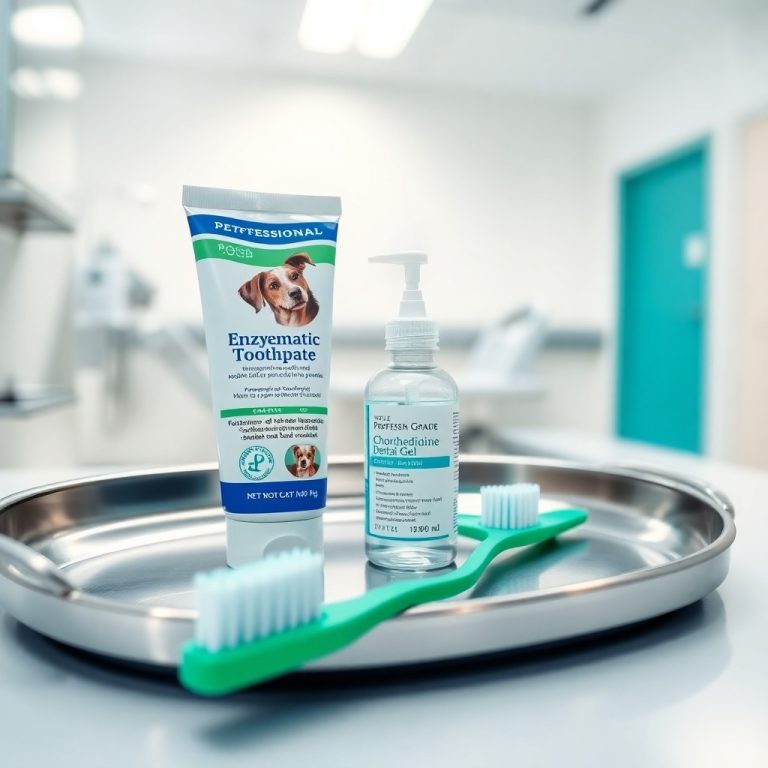
- Chlorhexidine (2-4%): A broad-spectrum antiseptic with antibacterial and antifungal properties. It disrupts microbial cell membranes.
- Miconazole (2-3%): An imidazole antifungal that inhibits ergosterol synthesis, a vital component of fungal cell walls. It is highly effective against Malassezia.
- Ketoconazole (2%): Another imidazole antifungal with a similar mechanism to miconazole. Often found in combination with chlorhexidine.
- Selenium Sulfide (1-2.5%): An antifungal and keratolytic agent that helps remove scales and crusts, often used for seborrheic conditions.
Considering Skin Type and Severity
The specific formulation may also depend on your dog’s skin type. For dogs with greasy, oily skin (seborrhea oleosa), shampoos with degreasing properties (e.g., salicylic acid, benzoyl peroxide in lower concentrations) combined with antifungals can be beneficial. For dry, flaky skin (seborrhea sicca), choose formulations that are less drying and may include moisturizing agents like ceramides or colloidal oatmeal, while still delivering potent antifungal action. For sourcing these specialized products, I often direct clients to reliable online stores like BiZOOn.com.ua, which typically offer a wide range of veterinary dermatological solutions.
The Optimized Bathing Strategy
Effective therapeutic bathing is more than just getting your dog wet; it’s a precise procedure. The goal is to achieve adequate contact time for the active ingredients to penetrate the skin and exert their antifungal effect. Missing a step significantly reduces efficacy.
Preparing for a Therapeutic Wash
Before you even wet your dog, gather all necessary supplies: chosen medicated shampoo, cotton balls for ears, a towel, and perhaps a non-slip mat for the tub. Brush your dog thoroughly to remove loose fur and any matted areas, which can impede shampoo contact. For dogs with thick coats, a pre-bath clipping of matted areas might be necessary, as directed by your vet.
Step-by-Step Application Technique
Follow these steps carefully for maximum benefit:
- Wet Thoroughly: Completely saturate your dog’s coat with lukewarm water.
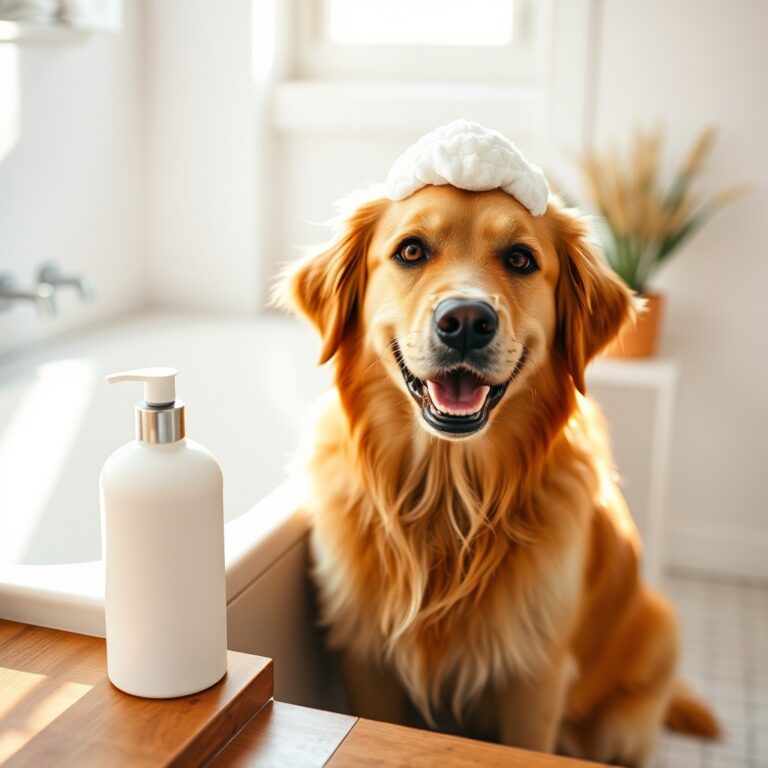
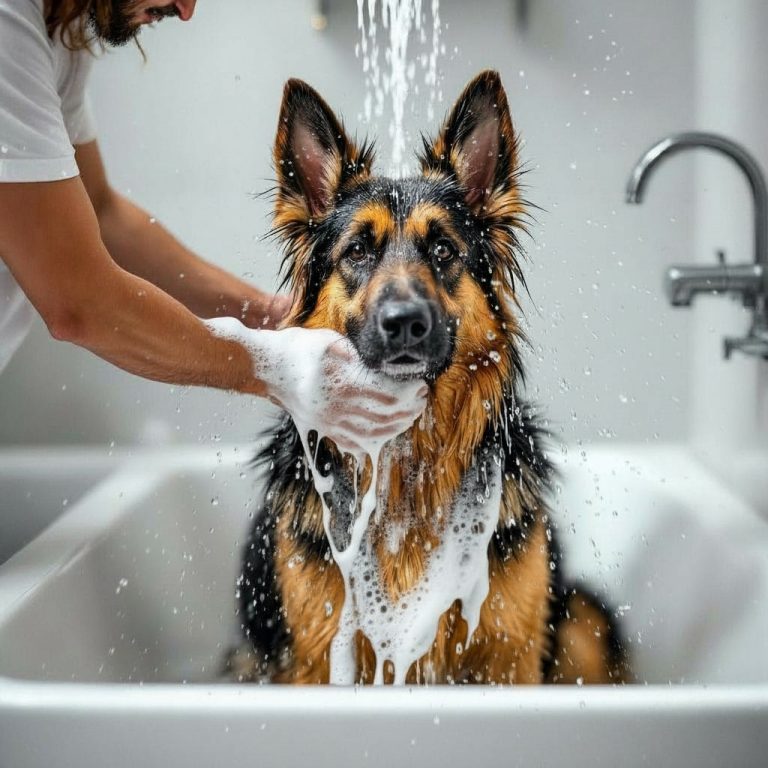
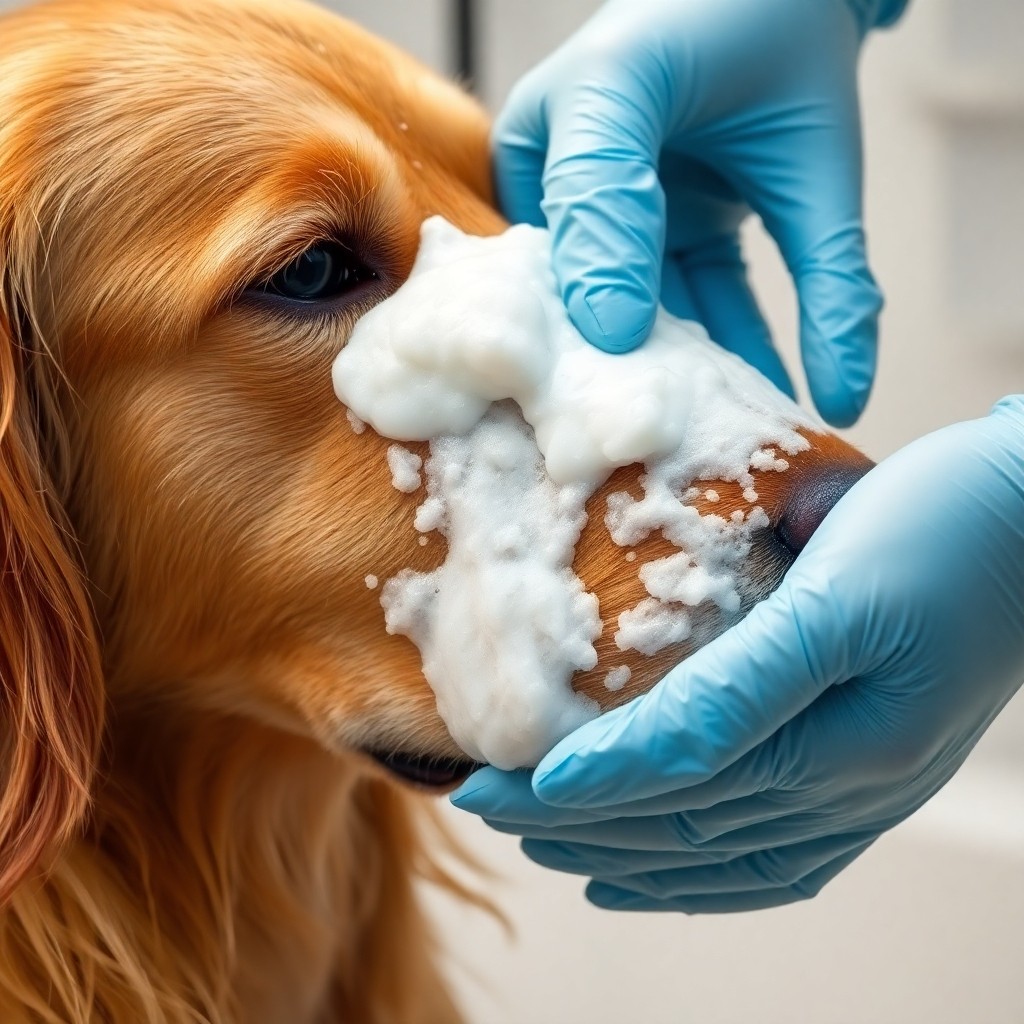
- Apply Shampoo: Apply the medicated shampoo liberally to the entire body, starting from the neck and working backward. Pay extra attention to affected areas such as paws, armpits, groin, and skin folds. Use cotton balls to protect the ears during the bath.
- Lather and Massage: Work the shampoo into a rich lather, ensuring it contacts the skin, not just the fur. Massage gently but thoroughly for several minutes.
- Critical Contact Time: This is the most crucial step. Allow the shampoo to remain on the skin for the manufacturer’s recommended contact time, typically 10-15 minutes. During this period, keep your dog warm and distracted with praise or treats. Setting a timer is essential.
- Rinse Thoroughly: Rinse your dog meticulously with lukewarm water until no shampoo residue remains. Any residue can cause irritation or hinder the next application.
Post-Bath Care and Drying
After rinsing, gently blot your dog with a clean towel. For breeds prone to skin fold dermatitis or those with thick coats, thorough drying is critical. From a veterinary standpoint, neglecting the drying phase is a common factor in treatment failure, as moisture provides an ideal environment for yeast proliferation. Use a towel and, if tolerated, a low-heat hairdryer, ensuring the skin is completely dry, especially in skin folds. Avoid harsh rubbing, which can irritate inflamed skin.
Frequency and Duration of Treatment
The frequency and duration of medicated bathing depend heavily on the severity of the flare-up and the underlying cause. There isn’t a one-size-fits-all answer, and your veterinarian will tailor a specific plan.
Acute Flare-Up Management
For active Malassezia flare-ups, an intensive initial phase is typically required. We frequently advise owners to bathe their dogs 2-3 times per week for 2-4 weeks. Clinical improvement, such as reduced odor, itching, and redness, should be noticeable within this timeframe. If improvement is not observed, a re-evaluation by your vet is warranted.
Long-Term Maintenance and Prevention
Once the acute flare-up is controlled, the frequency can be reduced to a maintenance schedule. This often involves bathing once every 1-4 weeks, depending on the individual dog and its predisposing factors. Consistent maintenance is vital for preventing recurrence, especially in dogs with chronic allergies. This proactive approach helps manage the skin microbiome and minimizes conditions favorable for yeast overgrowth.
The following table outlines general guidelines for active ingredient contact times:
| Active Ingredient | Primary Action | Recommended Contact Time | Indicative Frequency (Acute) |
|---|---|---|---|
| Chlorhexidine (2-4%) | Antiseptic, Antifungal | 10 minutes | 2-3 times/week |
| Miconazole (2-3%) | Antifungal | 10 minutes | 2-3 times/week |
| Ketoconazole (2%) | Antifungal | 10 minutes | 2-3 times/week |
| Selenium Sulfide (1-2.5%) | Antifungal, Keratolytic | 5-10 minutes | 1-2 times/week |
Adherence and Common Pitfalls
Successful treatment hinges on strict adherence to the protocol. Even the best shampoo will fail if not used correctly. Owner compliance is frequently the greatest challenge in managing chronic dermatological conditions.
Ensuring Proper Contact Time
The most common error I see with medicated shampoos is insufficient contact time. Owners often rinse too soon, believing the lather is enough. However, the active ingredients require adequate time on the skin to penetrate and kill the yeast. Setting a timer for the full 10-15 minutes is not optional; it’s mandatory for efficacy.
When to Seek Veterinary Re-evaluation
If, despite diligent adherence to the bathing protocol, your dog’s condition does not improve within 2-4 weeks, or if it worsens, it’s crucial to seek veterinary re-evaluation. This indicates that either the diagnosis needs refinement, the underlying cause is not adequately controlled, or the current treatment protocol requires adjustment. We may need to consider oral antifungal medications, investigate further diagnostics for underlying conditions, or explore alternative topical therapies.