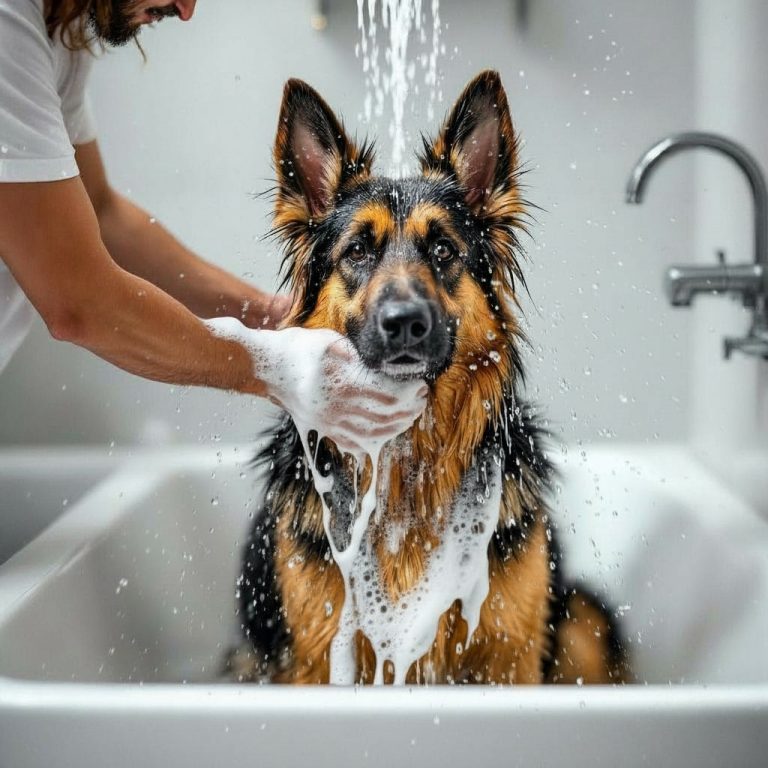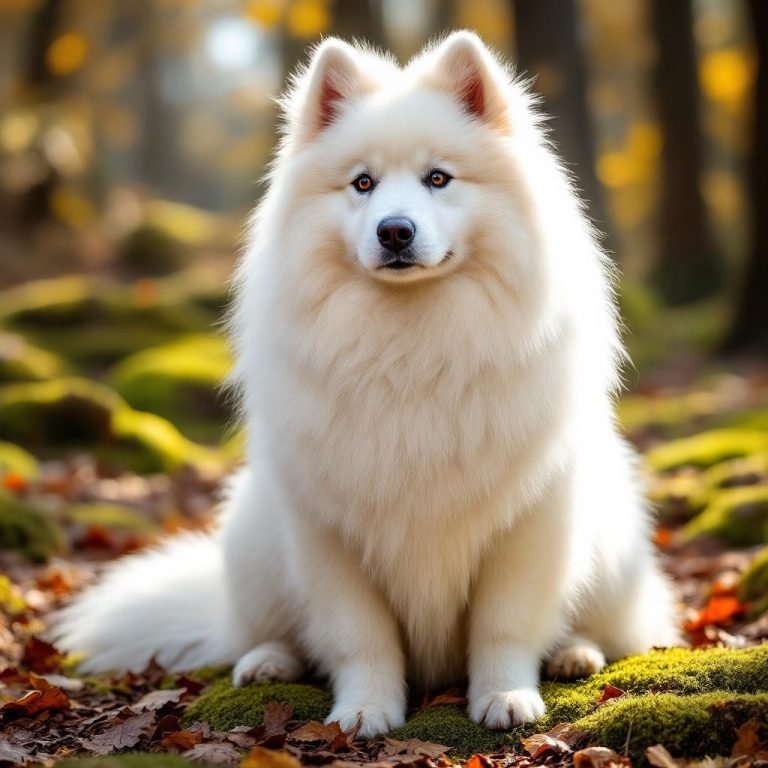

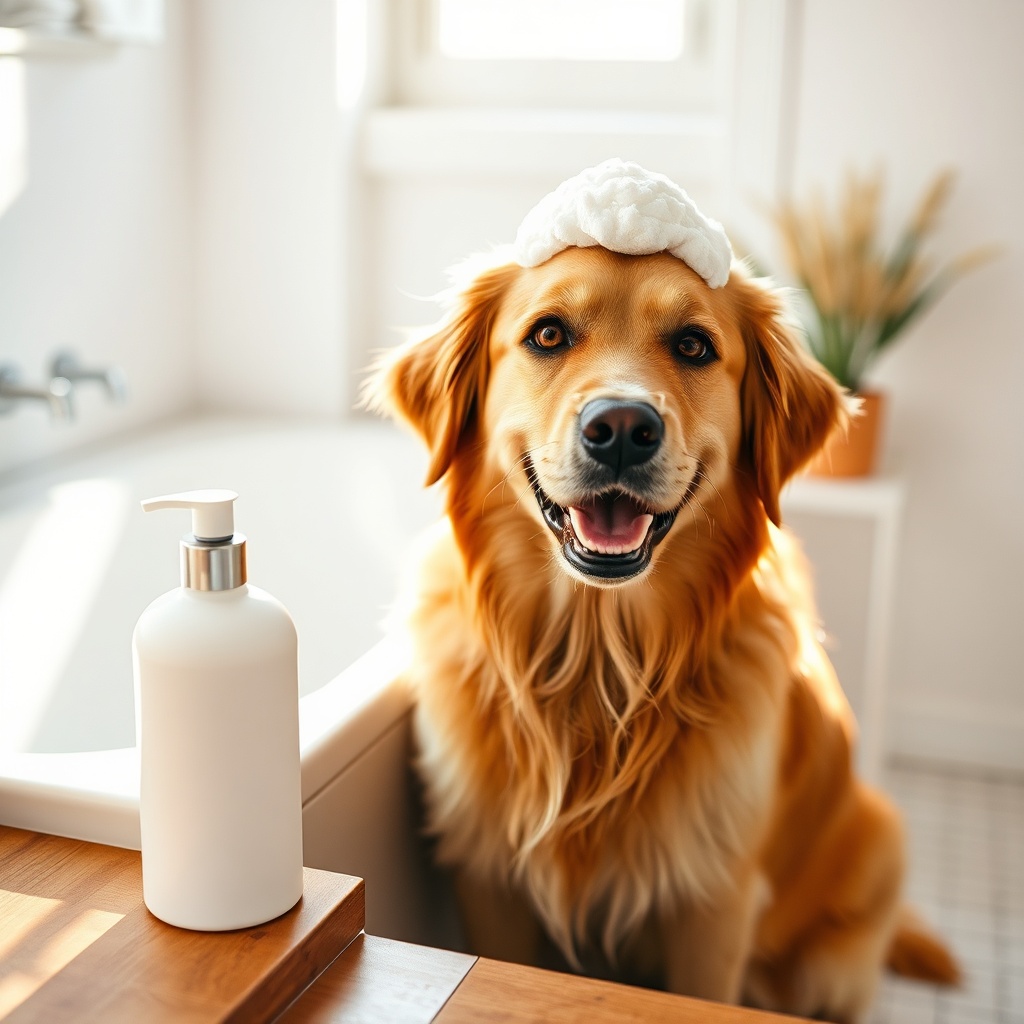
When that familiar doggie odor starts taking over the living room, the impulse is usually to rush the pup straight to the bathtub. Yet, washing a dog too frequently often backfires, stripping away the natural oils that keep their coat healthy and leaving them with irritated, itchy skin.
How often should you bathe a dog? As a general rule, most dogs with healthy skin only need to be bathed once every 4 to 8 weeks, though this frequency varies widely depending on their coat type, lifestyle, and underlying health conditions.
Key Factors That Determine Bathing Frequency
Every dog is a unique individual, meaning there is no one-size-fits-all schedule for bath time. To determine the perfect routine for your pet, you must evaluate several distinct lifestyle and genetic factors.
1. Coat Type and Breed
A dog’s coat is their primary defense mechanism against the elements. Different breeds have evolved distinct coat structures that handle dirt and moisture in unique ways. For instance, water-repellent double coats require completely different care than single-layered silky coats.
2. Activity Level and Lifestyle
An adventurous dog that loves rolling in the mud, swimming in lakes, or digging in the backyard will naturally require more frequent baths than a pampered lapdog that spends most of its time indoors on the sofa. Often, a quick rinse with warm water is enough to remove physical dirt without resorting to a full soapy bath.
3. Skin Conditions and Allergies
Dogs with underlying skin issues, environmental allergies, or parasitic infections may need therapeutic baths as often as twice a week. These regimens should always be guided by a veterinarian using specialized, medicated shampoos to soothe inflammation and restore the skin barrier.
Dog Bathing Frequency by Coat Type
To help you establish a safe and healthy grooming schedule, look at this breakdown of recommended bathing frequencies based on coat characteristics:
- Short or Smooth Coats (e.g., Boxers, Beagles): Every 8 to 12 weeks. These coats are excellent at shedding dirt naturally. Brushing is often enough to keep them clean.
- Double Coats (e.g., Huskies, Golden Retrievers): Every 8 to 12 weeks. Washing too frequently can trap moisture in the dense undercoat, leading to hot spots and skin infections. Focus on heavy brushing, especially during shedding season.
- Long or Silky Coats (e.g., Yorkies, Maltese): Every 4 to 6 weeks. These coats easily trap debris and form mats. Regular baths paired with high-quality dog conditioner help keep the hair manageable.
- Curly or Wavy Coats (e.g., Poodles, Doodles): Every 4 to 8 weeks. Curly hair holds onto dirt and dander. Frequent professional grooming and regular washing are necessary to prevent painful matting.
- Hairless Breeds (e.g., Chinese Crested): Weekly. Without hair to absorb sebum, oil builds up quickly on the skin, leading to clogged pores and blackheads. They require gentle, frequent bathing to stay comfortable.
The Dangers of Over-Bathing Your Dog
While a clean pet is wonderful to hug, bathing your dog too frequently can cause significant dermatological harm. Dog skin is much thinner and more sensitive than human skin, with a completely different pH level.
Repetitive washing with harsh soaps strips away the natural sebum that hydrates their skin and insulates their hair shafts. This leads to dry, flaky skin, chronic itching, and a dull, brittle coat. In severe cases, the damaged skin barrier becomes highly vulnerable to bacterial and yeast infections, resulting in a distinct, unpleasant odor that actually makes the dog smell worse.
How to Keep Your Dog Fresh Between Baths
You can easily stretch the time between baths by adopting a few simple daily maintenance habits. These techniques keep your pet smelling clean without compromising their skin health.
- Daily Brushing: This is the single most effective way to keep your dog clean. Brushing removes loose hair, lifts away dried mud, and distributes natural oils evenly throughout the coat.
- Pet-Safe Wipes: Use gentle, fragrance-free grooming wipes to clean dirty paws, muddy bellies, and messy faces after outdoor excursions.
- Dry Shampoo for Dogs: A quick application of a dog-safe waterless shampoo or cornstarch can absorb excess oils and neutralize minor odors instantly.
- Wash Their Bedding: Often, a smelly dog is simply sleeping on a dirty bed. Regularly washing your pet’s bedding in hypoallergenic detergent can dramatically improve how they smell.
Frequently Asked Questions
Can I bathe my dog once a week?
Generally, weekly bathing is too frequent for dogs with normal skin and can cause severe dryness. Weekly baths should only be performed if recommended by a veterinarian using a specialized therapeutic shampoo for a specific medical condition.
What happens if I do not bathe my dog?
If a dog is never bathed, natural oils, dead skin cells, and dirt will eventually accumulate. While some short-haired dogs can go many months without a bath, long-haired or curly-haired dogs will develop severe matting, pelted fur, and painful skin sores if left ungroomed.
Is human shampoo safe for dogs?
No, you should never use human shampoo on a dog. Human skin has an acidic pH of around 5.5, while dog skin is much more neutral to alkaline, ranging from 6.2 to 7.5. Using human products disrupts their acid mantle, leaving them vulnerable to irritation and infection.