
If your normally quiet feline has suddenly turned into a non-stop chatterbox, you are likely noticing a shift that happened almost overnight. While some cats are born talkers, a sudden surge in vocalization is almost always a sign that something in their world—whether in their health or their environment—has shifted.
A cat who suddenly becomes more vocal is usually reacting to physical discomfort, environmental stress, cognitive changes, or attention-seeking desires. If the vocalization is loud, persistent, or accompanied by other behavioral shifts, it often indicates an underlying medical issue like pain, hyperthyroidism, or sensory decline that requires a veterinary checkup.
Rule Out Medical Causes First
Before assuming your cat is simply acting out or demanding extra treats, you must eliminate potential health problems. Cats are master survivalists and naturally mask their pain. Often, vocalization is one of the few outward indicators that something is physically wrong.
- Systemic Illnesses: Conditions such as hyperthyroidism or high blood pressure (hypertension) are incredibly common in aging cats. These ailments cause feelings of hyperactivity, restlessness, and constant hunger, which often translate into endless yowling, particularly at night.
- Pain and Discomfort: Urinary tract infections (UTIs), kidney disease, osteoarthritis, or dental issues can cause acute discomfort. If your cat meows sharply when jumping, using the litter box, or being touched, pain is the likely culprit.
- Sensory and Cognitive Decline: As cats enter their senior years, they can develop Feline Cognitive Dysfunction, which is highly similar to dementia in humans. Disorientation, combined with deteriorating vision or hearing, can leave senior cats feeling lost, leading to loud, panicked crying, especially in dark rooms.
Environmental and Emotional Triggers
If your veterinarian gives your cat a clean bill of health, the next step is to evaluate their daily environment. Cats thrive on routine, predictability, and safety. Even minor alterations to their world can trigger vocal distress.
- Changes in the Household: Moving to a new home, rearranged furniture, a new work schedule, or the introduction of a new pet or family member can disrupt a cat’s sense of security. They may use vocalizations to express their anxiety or seek reassurance.
- Boredom and Under-stimulation: Indoor cats need regular physical and mental workouts. If your cat lacks toys, scratching posts, or interactive play sessions, they may resort to loud vocalizations to capture your attention and break the monotony of their day.
- Mating Insticts: If your cat is not spayed or neutered, sudden howling is a natural reproductive behavior. Females in heat will emit incredibly loud, persistent yowls to attract potential mates, while unneutered males will yowl in response to smelling a female nearby.
A Step-by-Step Action Plan to Manage Cat Vocalization
Addressing this behavioral shift requires a structured approach. Use these steps to systematically pinpoint the trigger and help your cat return to their normal, peaceful self.
- Step 1: Track the Patterns. Keep a log of when the vocalization occurs. Note if it happens around feeding times, in the middle of the night, when you leave the room, or right after they use the litter box. This tracking provides vital clues for you and your veterinarian.
- Step 2: Schedule a Veterinary Visit. Ensure a professional performs bloodwork, blood pressure checks, and a physical assessment to rule out internal issues. Do not attempt behavioral training until physical pain is entirely ruled out.
- Step 3: Enrich the Environment. Introduce food puzzles, climbing trees, and window perches. Dedicate at least two 15-minute sessions daily to active play using feather wands or laser toys to expend their pent-up energy.
- Step 4: Establish a Predictable Routine. Feed your cat, play with them, and head to bed at consistent times. Predictability dramatically lowers cortisol levels in anxious felines.
Common Mistakes Owners Make When Cats Yowling
How you react to your cat’s vocalizations will either resolve the behavior or accidentally lock it in as a permanent habit. Avoid these common owner pitfalls:
- Scolding or punishing your cat: Yelling, using spray bottles, or physically punishing your cat will only increase their fear and anxiety. This often worsens the vocalization and destroys the bond of trust between you.
- Reinforcing the behavior with attention: If your cat meows loudly and you immediately talk to them, pick them up, or offer a treat to quiet them down, you have taught them that crying works. Instead, ignore the meowing completely and only reward them when they are quiet.
- Ignoring sudden vocalization in aging cats: Assuming a senior cat’s nighttime howling is just an annoying quirk of old age is a mistake. It is often a plea for help due to disorientation or systemic pain that can be managed with veterinary support.
Frequently Asked Questions
Why does my cat yowl specifically at night?
Nighttime yowling is frequently linked to senior cognitive decline, sensory loss, or boredom. In younger cats, it is often a burst of nighttime energy or a demand for early-morning food. Using blackout curtains, leaving a nightlight on for senior cats, and playing with your cat right before bed can help curb this behavior.
Can a change in diet cause a cat to meow more?
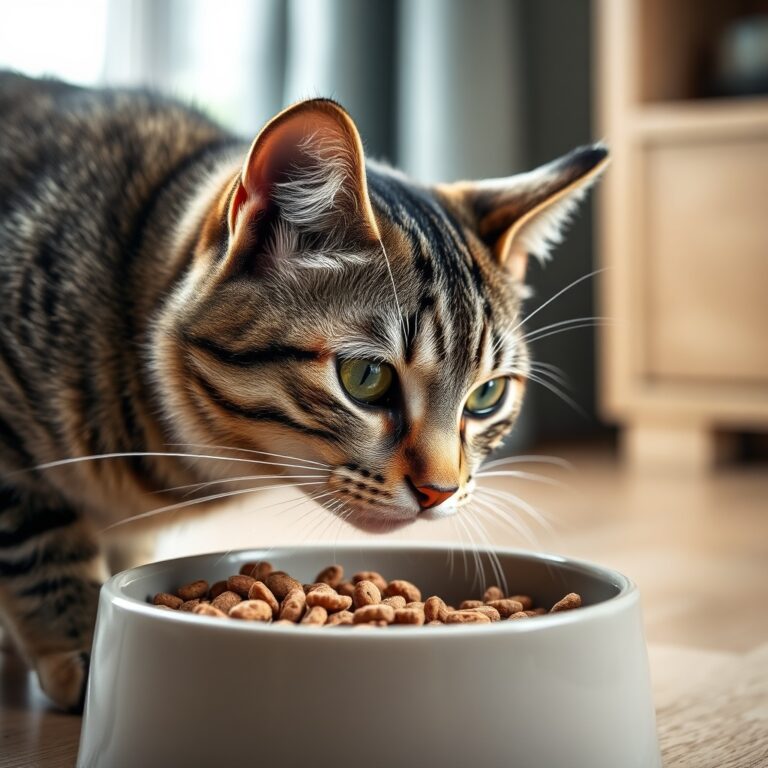
Yes. If you have recently reduced your cat’s food portion sizes or switched to a less filling diet, they may vocalize out of hunger. Additionally, sudden digestive issues or food sensitivities can cause abdominal discomfort, leading to pain-induced vocalization.
How long does it take to train a cat to stop attention-seeking meowing?
It typically takes several weeks of consistent behavior modification. You must strictly ignore the vocalizations—meaning no eye contact, no speaking, and no physical movement toward the cat—while consistently rewarding quiet moments. The behavior often temporarily worsens before it disappears, a phenomenon known as an extinction burst.