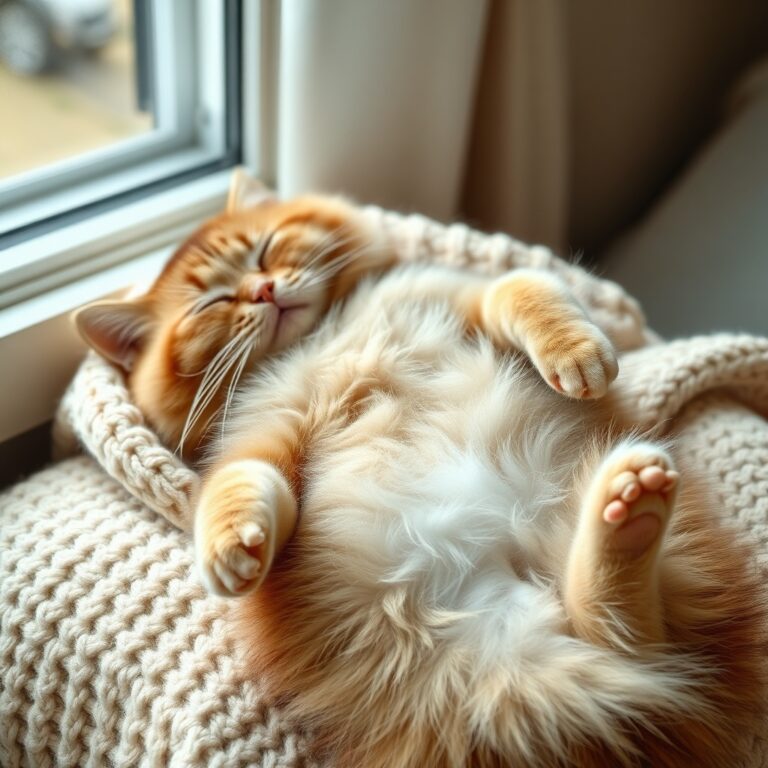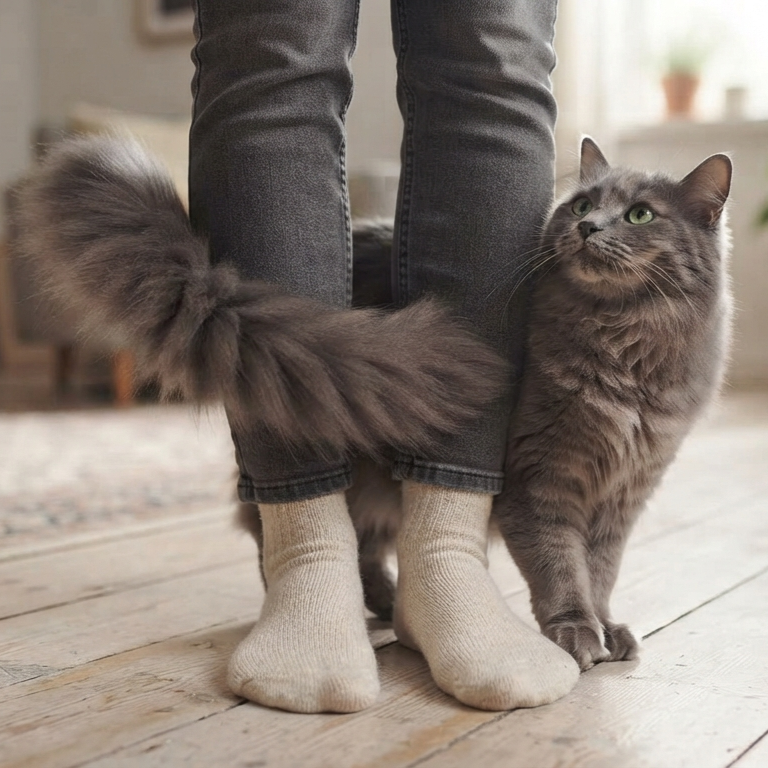


If you have ever wondered why your cat bypasses a plush, expensive new bed just to curl up on the exact center of your favorite throw blanket, you are not alone. That cozy spot on your lap or at the foot of your bed isn’t chosen at random; it is the result of carefully calculated instincts, a need for security, and a very deliberate display of affection.
Cats sleep on your blanket primarily because it carries your comforting scent, traps body heat efficiently, and provides a soft, secure nesting ground that makes them feel safe while resting.
The Top Reasons Your Cat Claims Your Blanket
To understand this behavior, we must look at the world through a feline lens. From thermal regulation to social communication, blankets serve multiple purposes in a cat’s daily routine.
1. The Search for Thermal Comfort
A cat’s normal body temperature ranges between 101 and 102.5 degrees Fahrenheit. Because their baseline temperature is higher than ours, they expend significant energy maintaining it. Your favorite blanket—especially those made of fleece, wool, or thick cotton—acts as an exceptional insulator. By curling up on these materials, cats conserve vital metabolic energy.
2. The Power of Familiar Scent
Your blanket is a sensory canvas saturated with your unique scent profile. To your cat, this aroma is the ultimate source of security. Sleeping on your blanket allows them to feel close to you even when you are away, lowering their stress levels and triggering the release of calming hormones.
3. Natural Nesting and Safety Instincts
In the wild, felines are both predators and prey. When they sleep, they are at their most vulnerable. A soft, piled blanket mimics the protective nests of their wild ancestors. By burrowing into the folds of a blanket, your cat creates a physical barrier that makes them feel shielded from potential threats.
Quick Facts: Feline Blanket Habits
- Kneading (Making Biscuits): This behavior dates back to kittenhood, when they kneaded their mother’s belly to stimulate milk flow. Doing this on a blanket shows immense comfort and trust.
- Scent Marking: Cats have scent glands in their cheeks and paws. When they rub against or knead a blanket, they are claiming it as safe territory.
- Texture Preference: Many cats prefer ultra-soft microfibers because they mimic the feel of another cat’s fur.
Pros and Cons of Sharing Your Blankets
Sharing bedding with your pet can strengthen your relationship, but there are practical factors to consider before letting them turn your duvet into their permanent bed.
The Benefits
- Strengthened Bond: Sharing quiet resting spaces fosters mutual trust and deepens your emotional connection.
- Stress Reduction: The rhythmic purring of a cat on your lap or blanket has been shown to lower human blood pressure.
- Mutual Warmth: You both benefit from shared thermal energy on cold nights.
The Drawbacks
- Allergen Buildup: Blankets quickly trap dander, pet hair, and environmental dust, which can trigger respiratory sensitivities.
- Litter Box Debris: Even clean cats carry microscopic traces of litter on their paws, transferring them directly to your sheets.
- Sleep Disruption: Cats are crepuscular, meaning they are most active during dawn and dusk, which can lead to late-night wake-up calls.
How to Gently Create Boundaries
If you love your cat but want your favorite blanket back, you can easily guide them toward alternative spots without causing them distress.
First, designate a specific ‘decoy’ blanket exclusively for your cat. Place this blanket in a warm, elevated spot where they already enjoy resting. To make it more appealing, rub it gently against your skin to transfer your scent, or place an old t-shirt of yours underneath it. Reward your cat with healthy treats whenever they choose their designated blanket over yours. Over time, positive reinforcement will establish a comfortable boundary that satisfies both of you.
Frequently Asked Questions
Why does my cat knead my blanket before sleeping on it?
Kneading is an instinctive behavior carried over from kittenhood, used to stimulate milk flow from their mother. In adult cats, kneading a soft blanket signifies extreme relaxation, comfort, and a way to mark the fabric with scent glands located in their paws.
Is it safe for my cat to sleep under a heavy blanket?
Most cats can easily navigate their way out from under standard blankets. However, heavy weighted blankets pose a safety risk as they can restrict a cat’s movement or impede their breathing. Avoid leaving your cat unattended under weighted bedding.
Why does my cat sleep on my blanket when I am not there?
When you are away, your blanket remains heavily infused with your familiar scent. Sleeping on it provides your cat with a sense of security and reassurance, helping to alleviate mild separation anxiety.