
Watching your cat strain or cry out in the litter box is enough to send any pet parent into a panic. While an immediate trip to the vet is always the first step, there is good news when it comes to the recovery process: sterile struvite stones can often be completely dissolved and managed through targeted nutrition alone, saving your feline friend from invasive surgery.
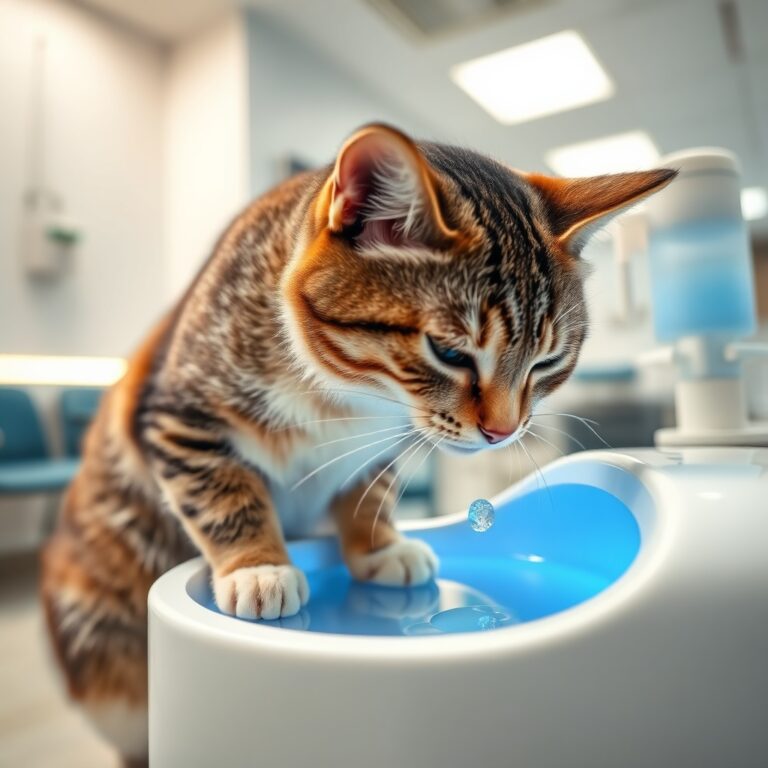
Magnesium and phosphorus restricted wet urinary diets dissolve feline struvite stones by limiting the key mineral components required for crystal growth, promoting a targeted acidic urine pH between 6.0 and 6.3, and significantly increasing total water intake to dilute the urine. This therapeutic combination reduces the saturation of stone-forming minerals and allows existing struvite uroliths to dissolve naturally back into solution.
The Biological Mechanism of Struvite Formation
Struvite stones, clinically classified as magnesium ammonium phosphate hexahydrate, develop when feline urine becomes oversaturated with specific mineral ions. When the local environment within the bladder exhibits a high concentration of magnesium, ammonium, and phosphate, crystals begin to precipitate. This crystallization process is highly accelerated in alkaline urine (a pH of 7.0 or higher).
For owners, this means that when a cat’s diet contains excessive amounts of certain minerals, and the cat does not drink enough water, the bladder becomes an ideal breeding ground for painful, cement-like crystals that can clump together into dangerous stones.
To reverse this process, the urine must reach a state of undersaturation. By strictly limiting dietary intake of magnesium and phosphorus, the concentration of these raw materials in the bladder drops below the threshold required to sustain the stone. When combined with a controlled urinary acidifier built into veterinary-formulated diets, the existing crystals begin to dissolve.
Why Wet Food is Critical for Struvite Dissolution
While dry therapeutic diets exist, clinical guidelines strongly prioritize wet formulations for active stone dissolution. The fundamental key to urinary health is dilution. Cats have a low thirst drive and naturally produce highly concentrated urine, which increases the relative supersaturation (RSS) of crystals.
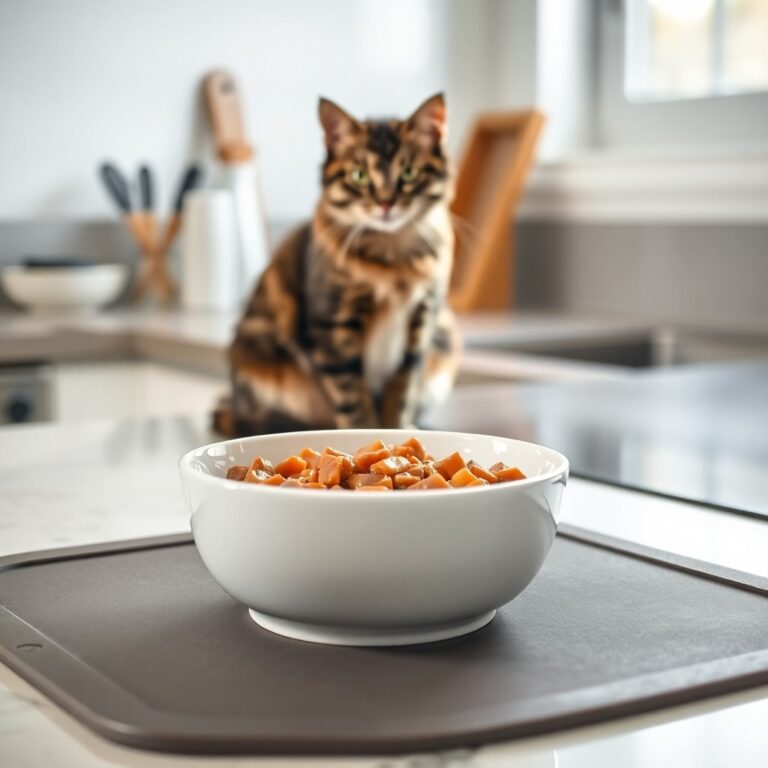
Feeding a wet diet containing at least 75% moisture guarantees a continuous fluid intake that cannot be replicated by dry food and a water bowl. Highly diluted urine lowers the concentration of magnesium and phosphorus ions, making it chemically difficult for crystals to bind together. Furthermore, increased urine volume promotes frequent voiding, which mechanically flushes out microscopic crystals before they can aggregate into macro-uroliths.
For owners, this means that feeding wet canned food acts like a constant, gentle flush for your cat’s bladder, preventing the minerals from sitting in the bladder long enough to form painful blockages.
Nutritional Targets for Struvite Dissolution
Therapeutic urinary diets are formulated to meet highly specific nutritional profiles. These target ranges are carefully balanced according to the Association of American Feed Control Officials (AAFCO) and World Small Animal Veterinary Association (WSAVA) nutritional guidelines to ensure that while specific minerals are restricted, the cat’s overall nutritional needs are met.
| Nutrient / Parameter | Target Range (Dry Matter Basis) | Clinical Purpose in Dissolution |
|---|---|---|
| Magnesium (Mg) | 0.04% to 0.08% | Restricts a primary structural component of struvite. |
| Phosphorus (P) | 0.50% to 0.80% | Limits the phosphate ions needed for crystal lattice formation. |
| Calcium-to-Phosphorus Ratio | 1.1:1 to 1.3:1 | Maintains skeletal health without promoting calcium oxalate stones. |
| Moisture Content | > 75% | Promotes high urine volume and lowers relative supersaturation. |
| Target Urine pH | 6.0 to 6.3 | Creates an acidic environment that rapidly dissolves struvite. |
Practical Implementation and Veterinary Monitoring
Transitioning a cat to a therapeutic wet urinary diet should be managed under direct veterinary supervision. Because these diets are formulated to alter urine chemistry, a gradual transition over 7 to 10 days is recommended to avoid gastrointestinal upset. During the active dissolution phase, no other foods, treats, or table scraps should be fed, as even small amounts of high-mineral treats can disrupt the delicate pH balance and halt the dissolution process.
For owners, this means that maintaining a strict, exclusive diet is the fastest way to get your cat pain-free. A single non-therapeutic treat can undo days of progress by spiking the mineral levels in the bladder.
The progress of dissolution must be monitored via periodic urinalysis and diagnostic imaging (radiographs or ultrasound) to track stone size reduction. According to the American Animal Hospital Association (AAHA) guidelines for chronic care, monitoring urine pH and sediment every 2 to 4 weeks during treatment ensures the diet is working effectively and that secondary bacterial infections—which can raise urine pH—are not present.
Risks of Prolonged Mineral Restriction
Therapeutic dissolution diets are highly specialized and are generally not intended for long-term maintenance in healthy adult cats. Overly acidifying the urine (lowering the pH below 6.0) or restricting minerals too severely over several years can create an environment prone to the formation of calcium oxalate stones. Unlike struvite, calcium oxalate stones cannot be dissolved medically and require surgical removal. Once the struvite stones are completely dissolved, your veterinarian will typically recommend transitioning the cat to a long-term preventative urinary diet or a high-moisture maintenance program.
References
Association of American Feed Control Officials (AAFCO). Official Publication: Nutritional profiles for cat foods.
World Small Animal Veterinary Association (WSAVA). Nutritional Assessment Guidelines for veterinary practitioners.
American Animal Hospital Association (AAHA). Underlyling protocols for feline lower urinary tract disease monitoring and diagnostics.