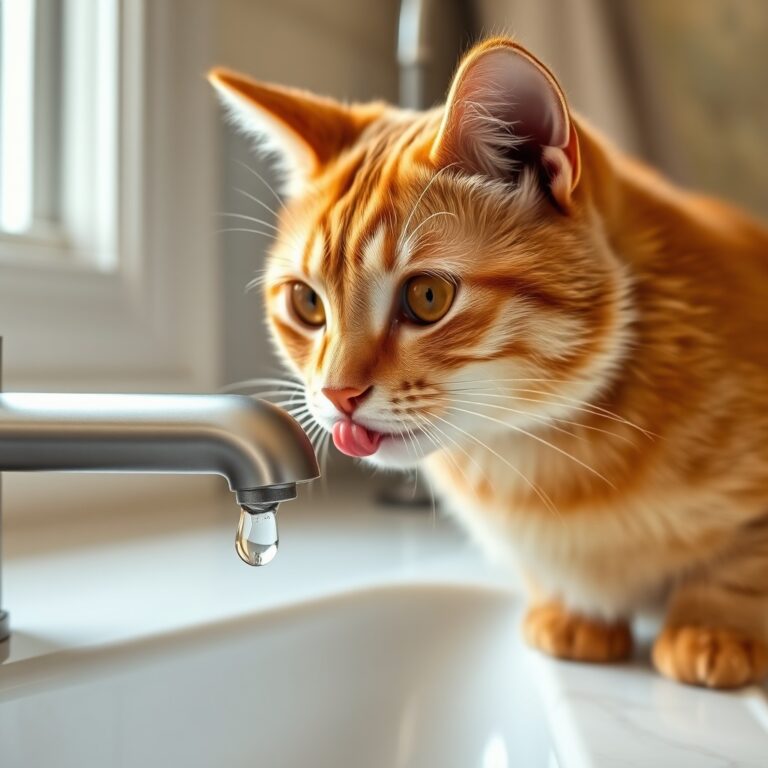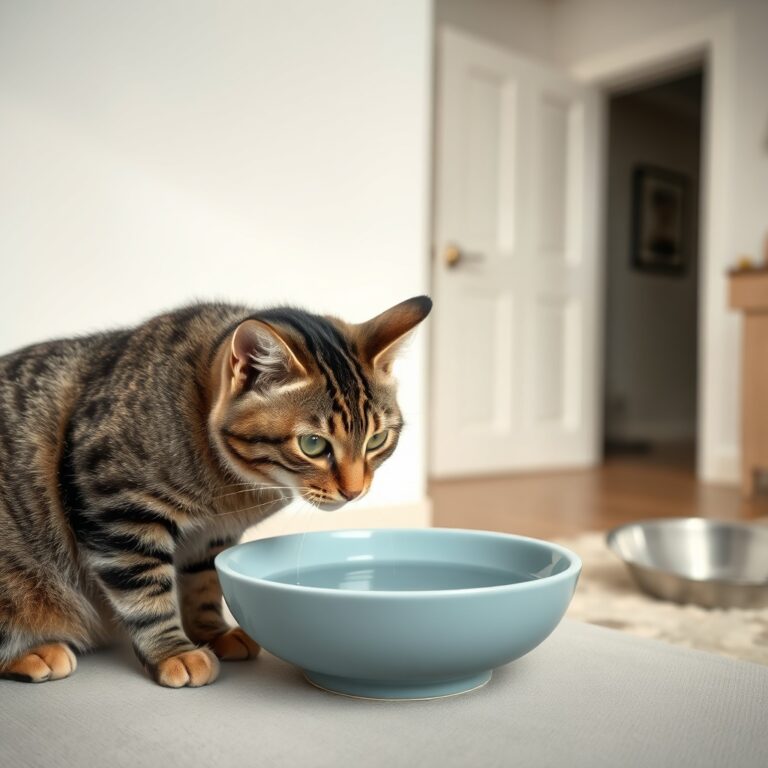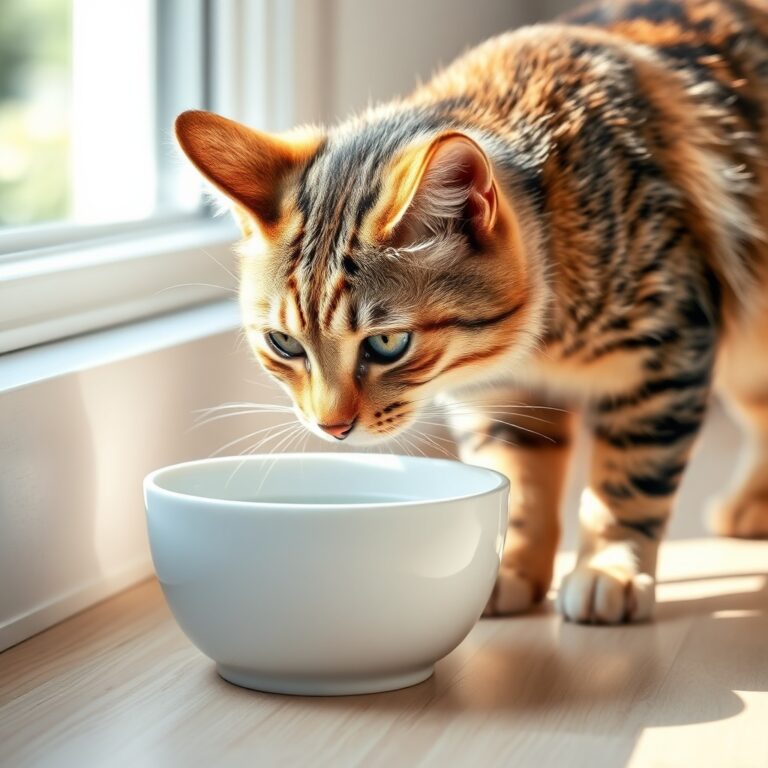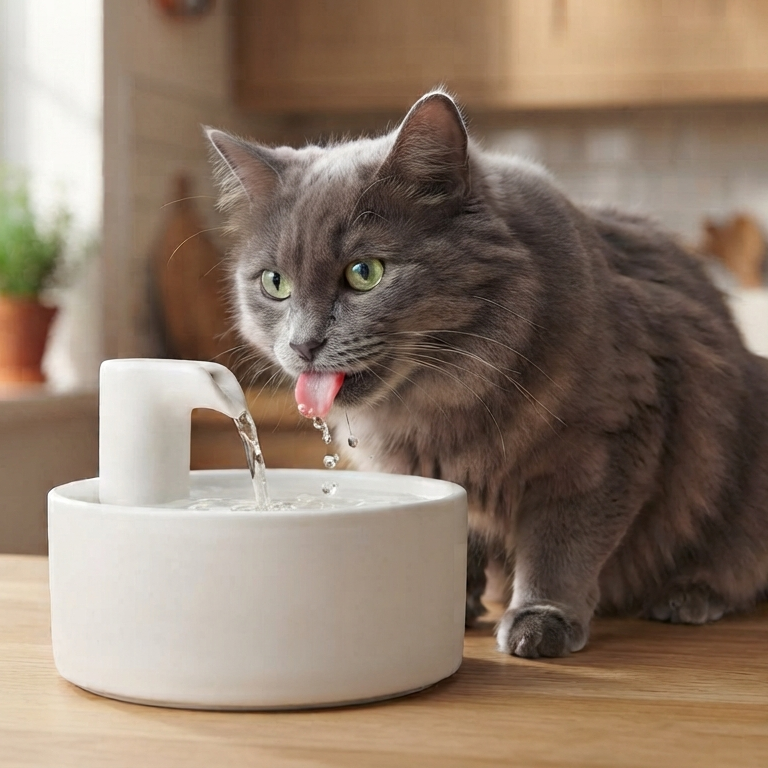

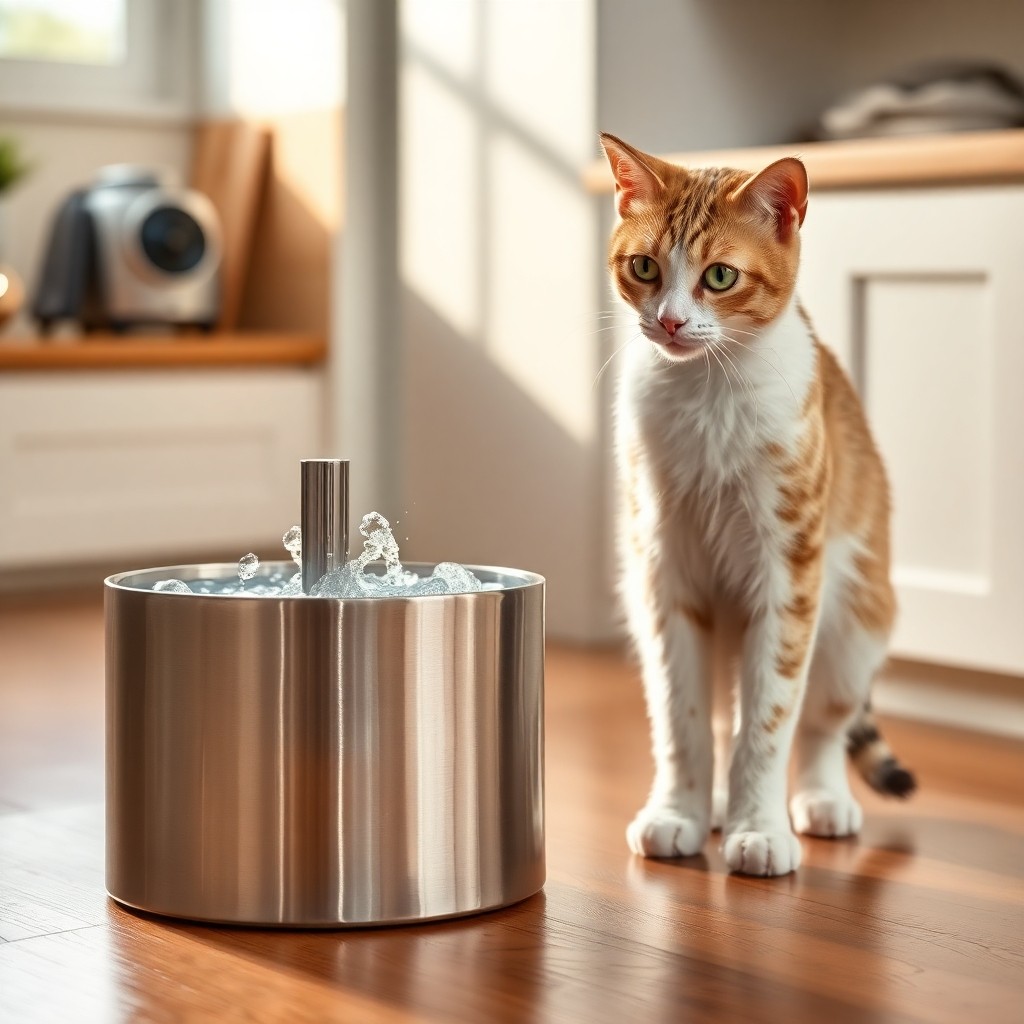
If you have ever watched your cat ignore a full bowl of fresh water only to sprint toward the bathroom faucet the second it turns on, you already know how particular they are about hydration. Choosing between a standard water bowl and a running fountain goes beyond mere convenience; it taps into your feline companion’s natural instincts and plays a massive role in their daily well-being. While a simple ceramic dish gets the job done, there is a biological reason why cats are naturally drawn to moving streams, prompting many vets to rethink what should be sitting on the kitchen floor.
Yes, a cat water fountain is generally much better than a traditional bowl. Fountains mimic flowing water in nature, which appeals to a cat’s evolutionary instincts, encourages them to drink more, and filters out debris to keep water fresh and oxygenated.
The Evolutionary Reason Cats Prefer Running Water
To understand why cats are drawn to running water, we have to look at their wild ancestors. In nature, standing water is a breeding ground for bacteria, parasites, and harmful pathogens. Wild felines learned to associate stagnant puddles with illness, preferring the safety of moving streams and rivers.
Your domestic cat still carries this genetic programming. A stagnant pool of water in a plastic bowl can trigger an instinctive warning response. This is why many cats will paw at their water bowl, splash water around, or tip it over before drinking—they are trying to create movement to ensure the water is safe.
Additionally, cats have excellent hearing but poor close-up vision. It is difficult for a cat to see the water line in a still bowl. The sound of bubbling, running water from a fountain acts as an auditory beacon, constantly reminding your pet to hydrate.
Water Fountain vs. Traditional Bowl: Comparison Table
Choosing the right setup involves balancing your cat’s biological needs with your daily lifestyle. The table below compares the key features of both options:
| Feature | Cat Water Fountain | Traditional Water Bowl |
|---|---|---|
| Hydration Appeal | Extremely High (instinctual draw) | Low to Moderate (prone to stagnation) |
| Water Purity | High (carbon/foam filtration) | Low (collects hair, dust, bacteria) |
| Whisker Comfort | Excellent (shallow flowing streams) | Poor (deep, narrow bowls cause fatigue) |
| Maintenance Effort | Moderate (weekly clean, monthly filter) | Low (requires daily washing) |
| Power Source | Requires electricity or battery | None |
Crucial Health Benefits of Increased Hydration
Cats have a low thirst drive. Because they evolved as desert dwellers who obtained most of their moisture from prey, they do not naturally feel the urge to drink until they are already mildly dehydrated. This chronic low-level dehydration is a primary contributor to several serious feline health conditions.
- Feline Lower Urinary Tract Disease (FLUTD): Highly concentrated urine can lead to painful bladder crystals, stones, or life-threatening urethral blockages, particularly in male cats. Increased water consumption dilutes the urine, promoting frequent flushing of the urinary system.
- Chronic Kidney Disease (CKD): Senior cats are highly susceptible to kidney issues. Adequate hydration helps support kidney function by flushing toxins from the bloodstream, slowing the progression of renal diseases.
- Preventing Whisker Fatigue: Cats have highly sensitive nerve endings at the base of their whiskers. When a cat is forced to push its face into a narrow bowl, the constant bending of its whiskers against the sides can cause sensory overload and stress. Most fountains provide a continuous stream or a wide, shallow surface that prevents this discomfort entirely.
Weighing the Pros and Cons
Before making the switch, it helps to understand both the benefits and the potential drawbacks of each system.
Cat Water Fountains
Pros:
- Encourages significantly higher daily water intake.
- Continuous filtration removes hair, saliva, food particles, and unpleasant tastes.
- Aeration adds oxygen to the water, keeping it cooler and tasting fresher.
- Can provide a source of sensory stimulation for indoor cats.
Cons:
- Requires regular disassembly to clean the pump and replace the filters.
- Must be plugged into an outlet or require rechargeable batteries.
- Some cheaper models can produce a hum that sensitive cats might dislike.
Traditional Bowls
Pros:
- Extremely affordable and readily available.
- Silent operation and zero power requirements.
- Easy to toss into the dishwasher for quick sanitation.
Cons:
- Water quickly becomes stagnant, warm, and dusty.
- Requires multiple water changes throughout the day.
- Does not actively encourage picky cats to drink.
Material Matters: Ceramic, Stainless Steel, or Plastic?
If you decide to purchase a fountain or stick with a bowl, the material you choose is critical. Plastic bowls and fountains easily develop microscopic scratches. These tiny grooves become breeding grounds for bacteria and a slimy substance called biofilm. This bacteria often causes feline acne, which presents as black, crusty bumps under your cat’s chin.
For the healthiest experience, choose fountains or bowls made of stainless steel or high-grade ceramic. Both materials are non-porous, highly resistant to scratching, and easy to sanitize, making them much safer options for your pet’s skin and digestive health.
Frequently Asked Questions
Do cats actually prefer fountains over bowls?
Most cats do. While a small percentage of timid cats may be startled by the noise of a new fountain initially, the vast majority of felines are naturally drawn to the movement and sound of flowing water, drinking far more from a fountain than a stagnant bowl.
Are cat water fountains hard to clean?
They require more effort than a standard bowl, but the process is straightforward. A fountain should be disassembled, washed with warm soapy water, and have its pump cleaned once a week. The charcoal and foam filters generally need replacement every two to four weeks depending on how many pets use the fountain.
Can I leave a cat water fountain running all the time?
Yes, cat water fountains are designed to run continuously. It is important to monitor the water level regularly; if the water drops too low, the pump can run dry, which may overheat and damage the motor.