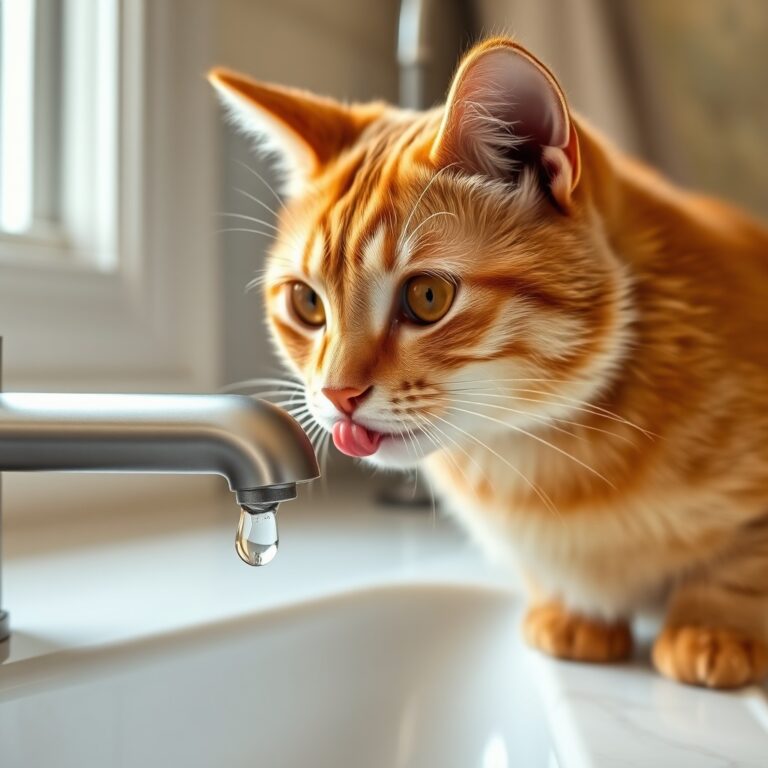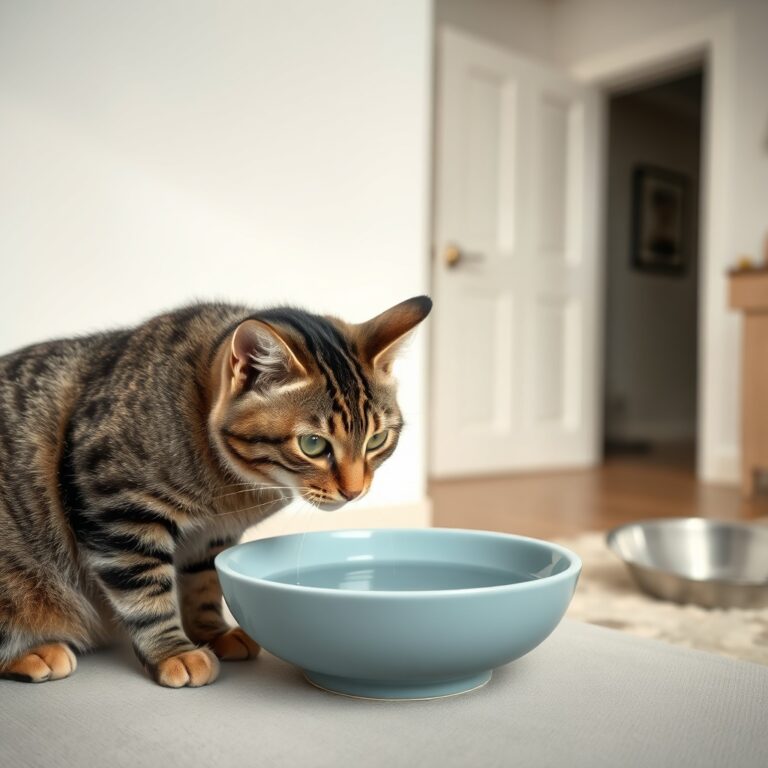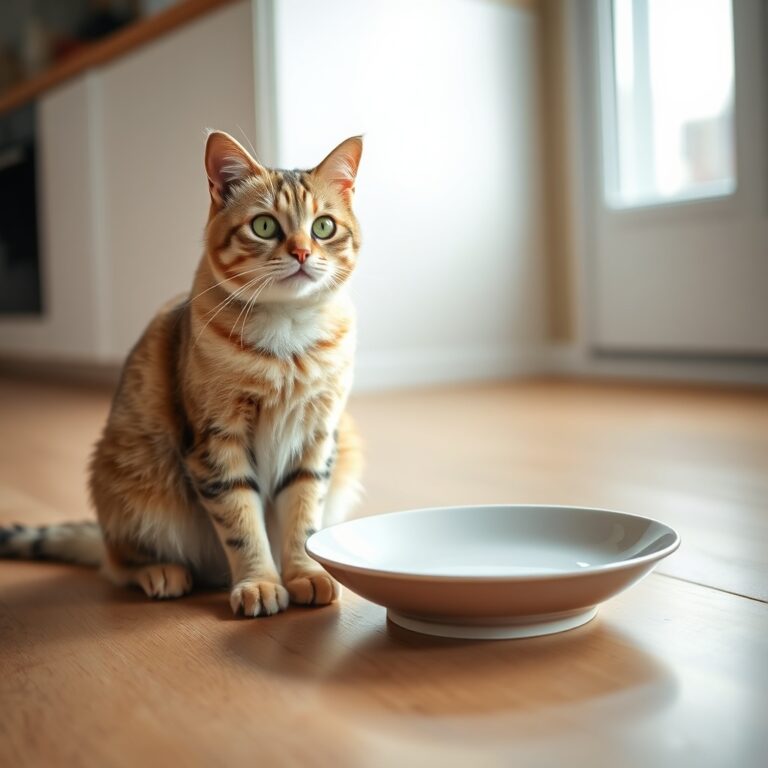

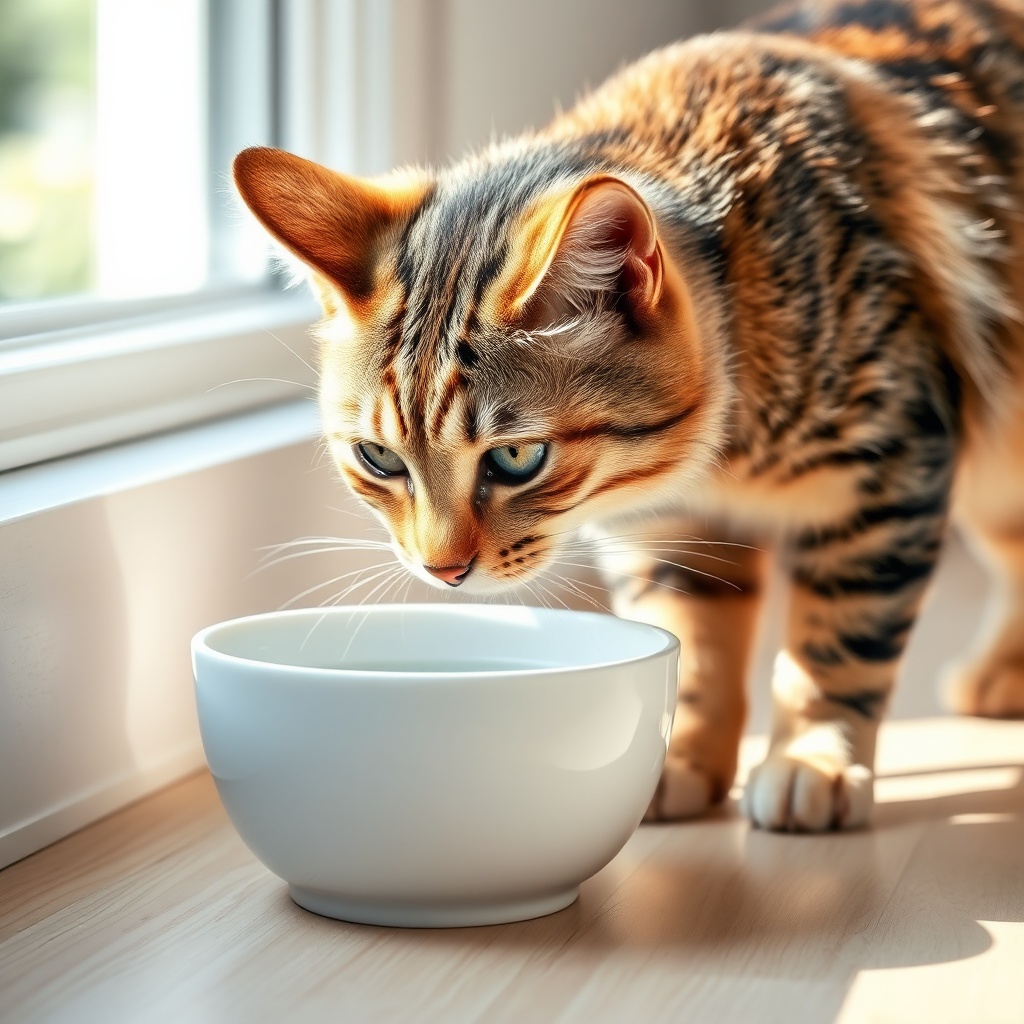
On a scorching summer afternoon, pouring a bowl of ice-cold water for your cat feels like the natural thing to do. Yet, while that frosty refreshment looks tempting to us, your feline friend might take one sniff and walk away, preferring a bowl left comfortably at room temperature instead.
Most cats naturally prefer room-temperature or slightly warm water over cold water. This preference is rooted in their evolutionary history as desert-dwelling hunters, where standing water sources would match the ambient environment, and fresh prey was consumed at body temperature.
The Evolutionary Science Behind Feline Hydration
To understand why temperature matters to your cat, it helps to look at their ancestry. Domestic cats descended from the African wildcat (Felis lybica). In the wild, these animals obtained the majority of their moisture directly from their prey, which was naturally at body temperature (around 101 to 102.5 degrees Fahrenheit). Water found in nature was typically exposed to the air, sitting at ambient room temperature.
Cold water can trigger a wild cat’s survival instinct to avoid stagnant or freezing water sources. Additionally, water that is too cold lacks a strong scent. Cats rely heavily on their sense of smell to determine if water is safe to drink. Warmer water releases more aroma molecules, making it significantly easier for your cat to locate and trust.
Cold Water vs. Room-Temperature Water
While room temperature is the biological default, both options have unique characteristics that can affect your cat’s daily hydration habits.
Room-Temperature Water
- Natural Appeal: Mimics wild water sources and prey temperatures, making it highly appealing to most cats.
- Stronger Aroma: Volatile organic compounds in the water are easier for your cat to smell, which encourages drinking.
- Gentle on the Stomach: Easier to digest without shocking the internal organs of sensitive or senior cats.
Cold or Chilled Water
- Hot Weather Relief: Can help lower core body temperature during peak summer heat.
- Slower Bacterial Growth: Cool temperatures slow down the rate at which bacteria multiply in the bowl.
- Novelty Factor: Some cats are fascinated by ice cubes bobbing in their water, turning drinking into an interactive game.
How to Keep Your Cat Properly Hydrated
Cats are notorious for having a low thirst drive, which can make them susceptible to urinary tract issues and kidney disease. Regardless of their temperature preference, keeping them hydrated is vital. Here are practical strategies to encourage your cat to drink more:
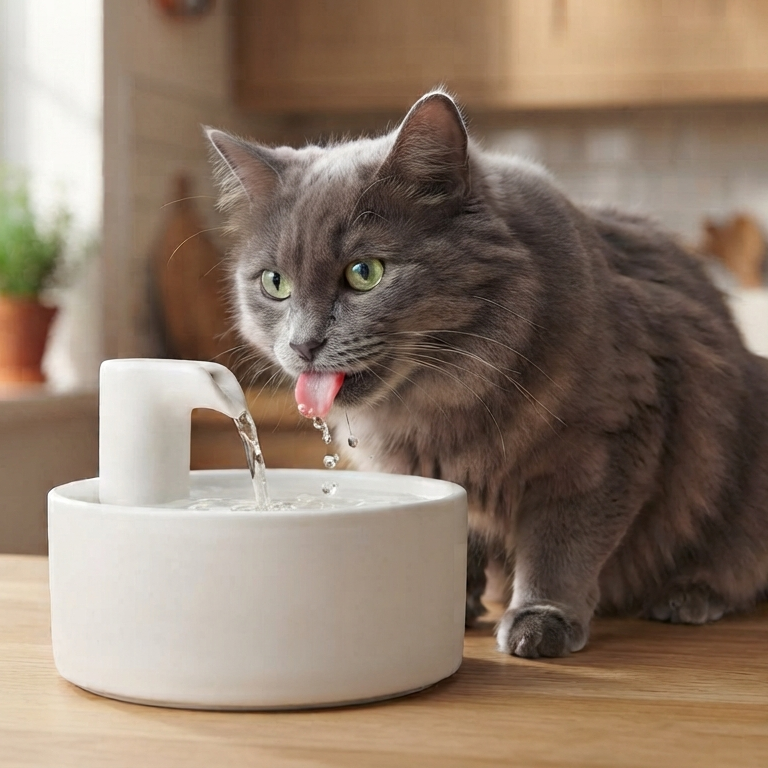
Use a Circulating Water Fountain
In nature, running water signifies safety and freshness. A pet fountain filters the water while keeping it in constant motion, aerating it and naturally cooling it down slightly below room temperature without making it ice-cold.
Choose the Right Bowl Material
Plastic bowls can scratch easily, harboring bacteria and absorbing chemical odors that repel cats. Opt for ceramic, stainless steel, or glass bowls. These materials keep water naturally cool and do not leach unwanted tastes into the water.
Place Bowls Strategically
Never place your cat’s water bowl next to their litter box or directly beside their food bowl. In the wild, cats do not drink near their kill or elimination areas to avoid contamination. Keep water bowls in quiet, low-traffic areas of the home.
Frequently Asked Questions
Can cold water cause brain freeze or stomach upset in cats?
While true ‘brain freeze’ is rare in cats, drinking large amounts of ice-cold water rapidly can shock a cat’s digestive system. This can lead to mild stomach cramping, nausea, or even vomiting, especially in kittens or senior cats with sensitive stomachs.
Is it safe to put ice cubes in a cat’s water bowl?
Yes, adding one or two ice cubes is generally safe and can be a fun enrichment activity. Many cats enjoy batting at the floating ice. However, ensure they always have access to a separate bowl of plain, room-temperature water in case they dislike the chilling effect.
How can I tell if my cat is dehydrated?
You can check for dehydration by gently pinching the skin between your cat’s shoulder blades. If the skin snaps back quickly, they are hydrated. If it remains tented or sinks back slowly, your cat may be dehydrated. Other signs include dry gums, lethargy, and loss of appetite.