
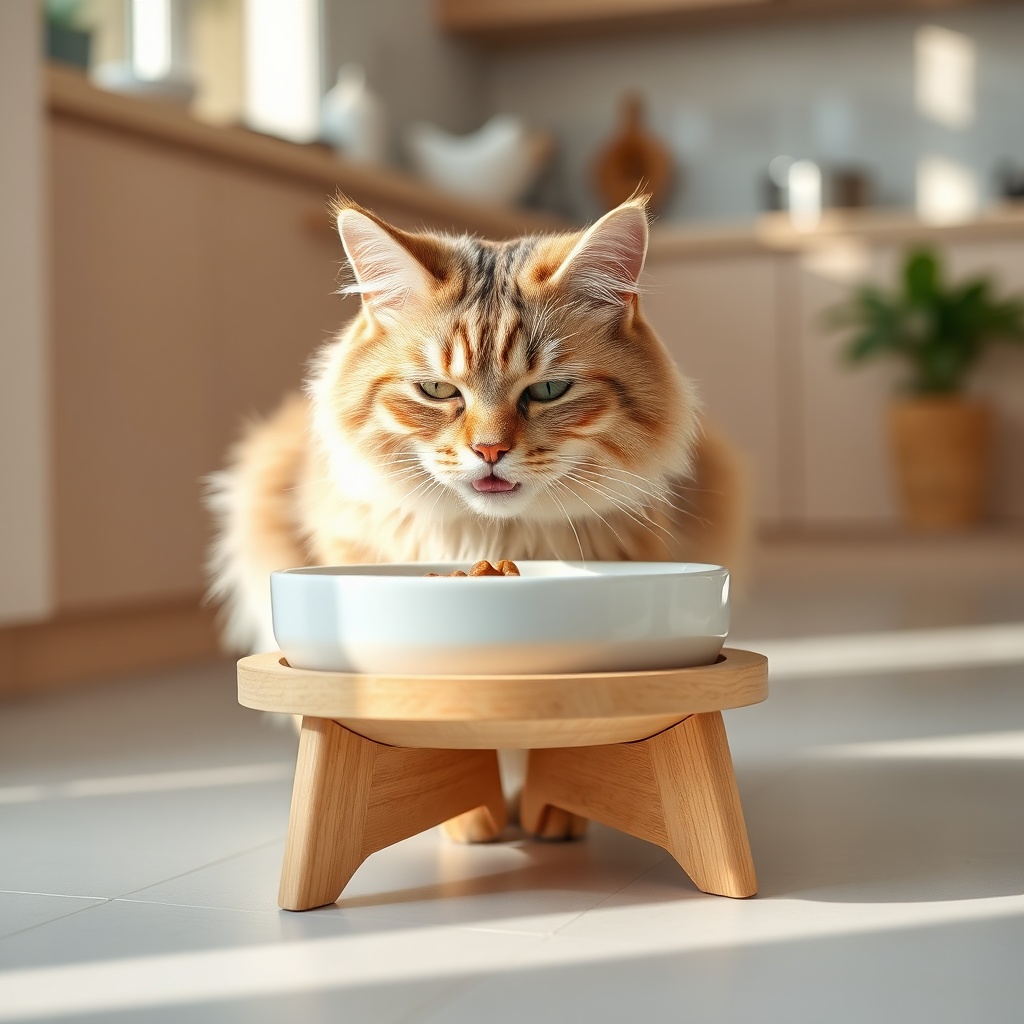
Placing a cat’s food dish flat on the kitchen floor is a routine part of daily pet care, but that low-level setup might be tougher on your feline than you think. While cats have eaten off the ground for generations, hunching down to reach a ground-level bowl actually puts unnecessary strain on their joints and digestive tract.
While healthy adult cats do not strictly require elevated food bowls, raised feeders are highly beneficial for senior cats, felines with osteoarthritis, and those prone to chronic vomiting, acid reflux, or megaesophagus. Elevating the feeding surface aligns the mouth with the stomach, reducing physical strain and improving swallowing mechanics.
How Elevated Bowls Impact Feline Anatomy
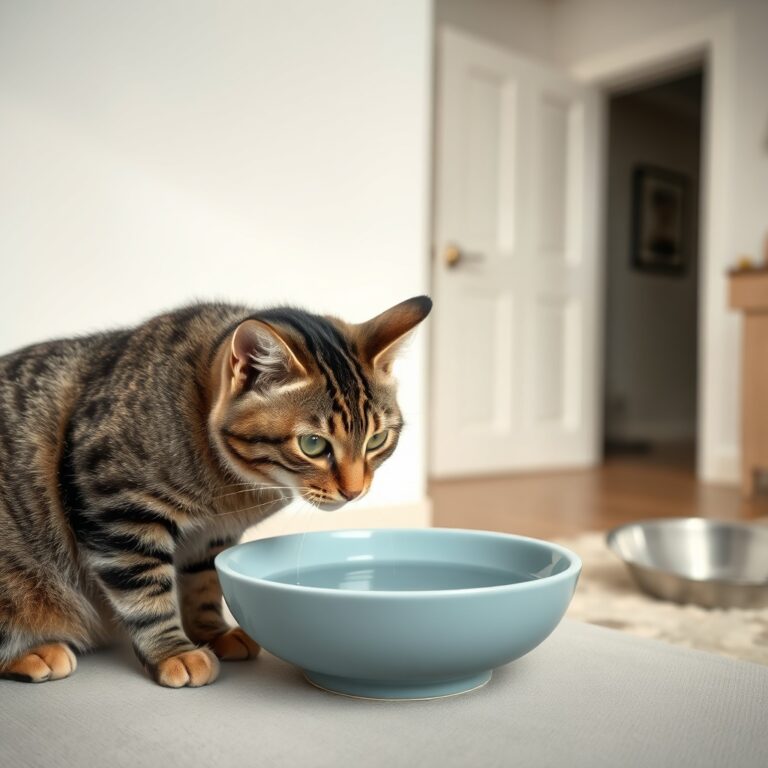
To understand the value of a raised bowl, it helps to look at how a cat moves during mealtime. When eating from a standard floor-level dish, a cat must crouch, lower its head significantly below its shoulders, and bend its neck at an acute angle. This posture puts mechanical pressure on the digestive tract and skeleton.
When a cat swallows while bent downward, food must work against gravity to travel up the esophagus before reaching the stomach. Elevating the food dish allows gravity to assist the passage of food. This natural alignment lowers the risk of post-meal regurgitation, which occurs when food pools in the esophagus instead of sliding smoothly into the stomach.
Which Cats Benefit the Most?
While every cat can enjoy a more ergonomic dining setup, certain groups experience dramatic improvements in comfort and health when switched to raised bowls.
- Senior Cats and Arthritic Felines: Aging cats frequently suffer from undetected osteoarthritis in their elbows, shoulders, hips, and spine. Bending down to eat forces them to put excess weight on these painful joints. A raised bowl brings the food directly to their mouth level, easing joint compression.
- Cats Prone to Vomiting and Reflux: Some cats eat too quickly and immediately throw up undigested food. This ‘scarf and barf’ cycle is sometimes worsened by the unnatural bend in their esophagus. An elevated platform keeps the digestive tract straight, reducing the return of stomach acids and gas.
- Large Breeds: Tall or long-bodied breeds, such as Maine Coons, Savannahs, and Norwegian Forest Cats, have a much greater distance to bend. Standard bowls are simply too low for their structural dimensions.
- Cats with Mobility Challenges: Felines recovering from injuries, vestibular disease, or structural issues find it easier to balance when they do not have to lower their center of gravity to eat.
Pros and Cons of Raised Feeders
Switching your pet’s feeding station is a simple adjustment, but evaluating both sides helps you make an informed decision for your home.
The Advantages
First and foremost, raised bowls improve posture, which preserves spinal health over a cat’s lifetime. Beyond the biological benefits, elevated feeding stations are generally cleaner. Because the bowls are lifted off the ground, dust, pet hair, and floor debris are less likely to drift into the wet or dry food. Many elevated systems also feature heavy, stable bases, which prevent playful cats from tipping their dishes over and scattering kibble across the floor.
The Disadvantages
The primary concern is selecting a bowl that is too deep. Deep, narrow elevated bowls can cause whisker fatigue, a condition where a cat’s highly sensitive whiskers constantly rub against the sides of the dish, causing stress during meals. Additionally, very young kittens should not use raised adult bowls, as the height can force them to stretch awkwardly to reach their food.
How to Choose the Right Height for Your Cat
To find the perfect elevated setup, you must measure your cat rather than guessing. A bowl that is too high or too low defeats the ergonomic purpose.
The ideal height for an elevated bowl should match the level of your cat’s lower chest, right where the neck meets the breastbone. To determine this, measure your cat from the floor up to the base of their chest while they are standing. For most average-sized adult cats, this sweet spot falls between 2 to 4 inches (5 to 10 centimeters) off the ground. For larger breeds, a height of 5 to 6 inches may be more appropriate.
Opt for wide, shallow bowls made from non-porous materials like stainless steel or ceramic. These materials do not harbor bacteria in microscopic scratches, reducing the risk of feline acne on your pet’s chin.
Frequently Asked Questions
Do veterinarians officially recommend elevated bowls?
Many veterinarians recommend elevated bowls specifically for senior cats, cats diagnosed with arthritis, or those suffering from megaesophagus and chronic acid reflux. It is a standard, non-medical intervention to improve daily comfort.
Can a bowl be too high for a cat?
Yes. If the bowl is positioned too high, the cat will have to strain their neck upward or stand on their hind legs to eat, which creates new muscle tension and physical stress. Always measure to ensure the rim of the bowl aligns with the lower chest level.
How do I know if my cat dislikes their current bowl?
Cats who dislike their bowl setup may pull food out of the dish with their paws to eat it off the floor, stand up while eating instead of crouching comfortably, or leave food around the inner edges of the bowl due to whisker sensitivity.